Trusted by 100,000+ Families

What is a Phonological Disorder?

Home>>Neurodiversopedia>>P Terms

Summary

summary

A phonological disorder causes difficulty in pronouncing specific sounds, potentially leading to communication challenges and frustration. Speech therapy can effectively address this issue and improve speech clarity.


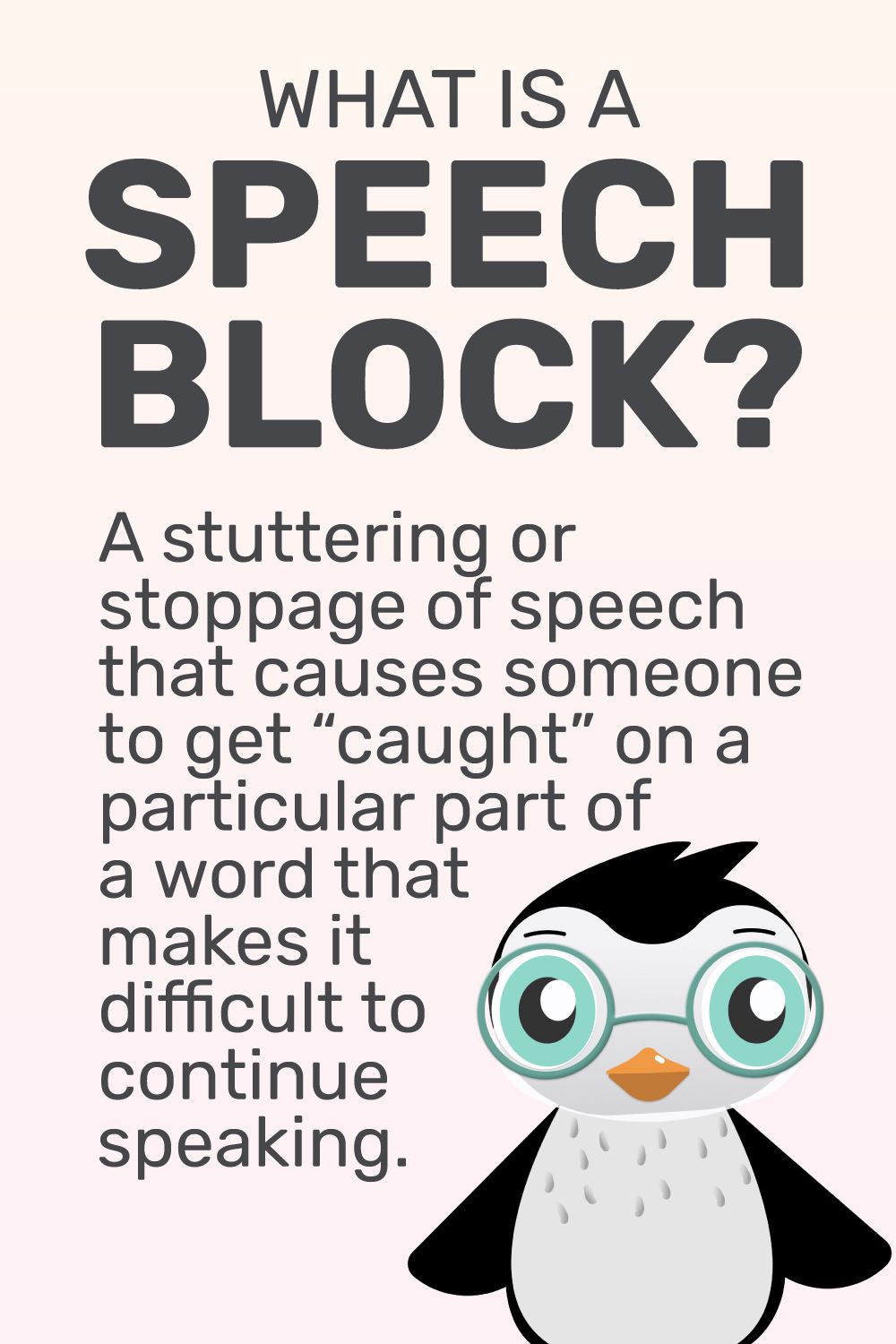
phonological disorder. A title graphic with texts that read, "What is Phonological Disorder?"

View on Pinterest

Frequently Asked Question

donut

How are phonological disorders diagnosed?

Phonological disorders are typically diagnosed by a speech-language pathologist through a comprehensive evaluation of a child’s speech and language skills.

What are some common signs of a phonological disorder?

Common signs of a phonological disorder include difficulty pronouncing certain sounds, such as “s” or “r,” and problems with organizing and sequencing sounds in words.

Can phonological disorders be treated?

Yes, phonological disorders can be treated through speech therapy, which may involve sound production drills, phonological awareness activities, and other techniques.

How can speech therapy help with phonological disorders?

Speech therapy provides targeted techniques and exercises to help individuals improve their pronunciation, speech clarity, and overall communication skills, allowing them to speak more confidently and effectively.

Scientific Definition

scientist

A phonological disorder is a speech sound disorder that affects an individual’s ability to produce and organize speech sounds appropriately for their age and developmental stage. It is not typically caused by physical, structural, neurological, or hearing impairments but can result in speech sound substitution, omission, or distortion, affecting their communication and social interactions. These disorders may stem from various factors such as genetic predisposition, developmental delays, or neurological issues.

Treatment for Phonological Disorder

Phonological disorders can present challenges in speech and communication, but with the right treatment, significant improvements can be achieved. Here are some treatment strategies that you can try:

Speech Therapy: Begin by consulting a certified speech therapist who specializes in phonological disorders. They will create a tailored treatment plan.
Sound Drills: These exercises target specific sounds that require improvement, helping individuals practice proper articulation.
Phonological Awareness Activities: Engaging in activities that enhance sound recognition and manipulation skills can be both fun and beneficial.
Consistent Practice: Encourage regular practice of speech exercises and sounds at home to reinforce progress.
Positive Reinforcement: Celebrate achievements and provide ongoing encouragement during therapy sessions and at home.
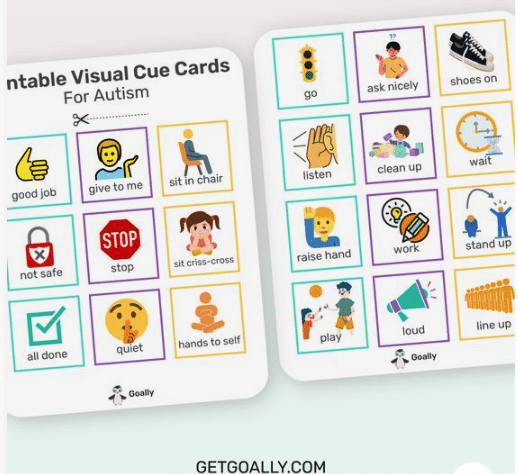
Visual Aids: Visual cues or diagrams can assist in sound pronunciation, making it easier for individuals to understand and apply correct techniques.
Storytelling: Crafting stories that incorporate challenging sounds can make practice enjoyable and engaging.

With consistent therapy, practice, and support, individuals with phonological disorders can experience substantial improvements in their speech and communication skills, leading to enhanced social interactions and increased self-confidence.

Symptoms of Phonological Disorder

Individuals with a phonological disorder may experience various symptoms related to their speech sound production. These symptoms can affect their communication abilities and overall language development. Here is a concise overview of the key symptoms:

  • Sound substitution: Replacing one sound with another in words.
  • Sound omission: Leaving out certain sounds in words.
  • Sound distortion: Altering the intended sound, making it unclear or difficult to understand.
  • Simplified speech: Using simpler or shorter words and sentences.
  • Limited vocabulary: Difficulty in acquiring and using a wide range of words.
  • Difficulty with rhyming and sound patterns: Struggling to recognize and produce rhymes and identify sound patterns in words.

Recognizing these symptoms can help parents and caregivers understand if a child may have a phonological disorder and seek appropriate evaluation and intervention.

This post was originally published on March 30, 2023. It was updated on Jan. 19, 2024.