When it comes to neurodivergent kids, understanding their unique needs is crucial. So, what happens if ADHD goes untreated in kids? In this blog post, we’ll explore the potential consequences of leaving ADHD unaddressed and provide valuable insights to help you make informed decisions for your child’s well-being. With the right support, kids with thinking and learning differences can thrive and reach their full potential.
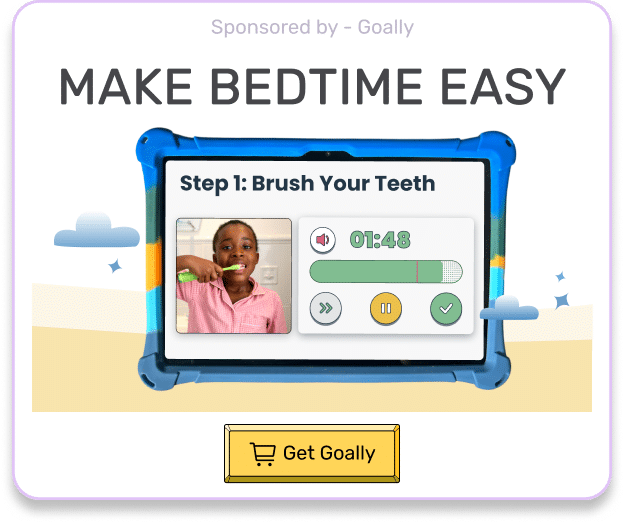
Customize visual schedules that teach kids independence. No more nagging, no more stress.
Table of Contents
Untreated ADHD and School Performance
Untreated ADHD in kids can hurt their school performance. They may struggle to focus, stay organized, and finish tasks. This can lead to:
- Lower grades
- Increased risk of repeating a grade
- Higher dropout rates
Early help can reduce these challenges and set your child up for success in school.
Social and Emotional Effects
Untreated ADHD can also harm a child’s social and emotional well-being. They may have trouble with impulse control, emotions, and paying attention during conversations. This can lead to:

- Strained friendships
- Increased risk of bullying
- Low self-esteem
- Anxiety and depression
Addressing ADHD early on can help your child build healthy relationships and resilience.
Risk-Taking Behaviors
Kids with untreated ADHD may be more likely to engage in risk-taking behaviors, such as:
- Unhealthy cravings
- Impulsive behavior and poor decisions
- Negligence
These behaviors can have lasting effects on your child’s health and well-being. Early intervention can teach coping strategies and decision-making skills to reduce risky behaviors.

Read more: What Helps Kids With ADHD the Most?
Co-occurring Conditions
Kids with ADHD may also have other conditions, such as:
- Learning disabilities
- Anxiety disorders
- Depression
- Oppositional defiant disorder (ODD)
If ADHD goes untreated, these conditions may also go undiagnosed, making your child’s challenges worse. Treating ADHD can help manage these additional conditions, improving their overall quality of life.
Long-Term Consequences
Untreated ADHD in kids can affect their adult lives too. Possible long-term consequences include:
- Difficulty keeping a job
- Strained relationships and higher divorce rates
- Money problems
- Increased risk of accidents and injuries
Addressing ADHD early on can help set your child up for a successful future.
Taking Action: Supporting Your Child
Now that you know the potential consequences of untreated ADHD, it’s essential to take action and support your child. Here are some steps you can take:
- Get a professional evaluation: If you think your child has ADHD, talk to a professional to get a diagnosis and discuss treatment options.
- Explore treatment options: Treatment for ADHD often includes medication, therapy, and educational support. Work with your child’s healthcare team to find the best approach.
- Advocate for your child at school: Work with your child’s teachers and school staff to develop an Individualized Education Program (IEP) or 504 plan to ensure they get the support they need.
- Create a structured home environment: Set routines, clear expectations, and consistent consequences to help your child develop important skills and habits.
- Encourage open communication: Create a supportive environment where your child feels comfortable discussing their challenges and successes.
By taking these steps, you can help your child navigate ADHD and set them on a path towards success.
Try Goally For Your Child With ADHD
Goally helps kids with ADHD stay focused and build skills. Unlike a Kindle or an iPad that kids get easily distracted on, Goally has no YouTube, no social media, no web browser, and especially no ads.
Goally uses game play as a points-based motivator for your kiddo with ADHD and helps them learn emotional regulation skills. It’s simple to set up and has an expert-informed design.
Final Thoughts
Understanding what happens if ADHD goes untreated in kids is crucial for parents of neurodivergent children. By recognizing the potential consequences and taking proactive steps to support your child, you can help them overcome challenges and reach their full potential. Remember, early intervention is key, and with the right support, kids with thinking and learning differences can thrive in all aspects of life.
This post was originally published on 05/07/2023. It was updated on 07/24/2023.

Goally
We help parents teach their kids life skills, like doing bedtime and morning independently. Backed by science, we incorporate evidence-based practices and expert-informed designs in all of our apps and content.
- Goally
- Goally
- Goally
- Goally
- Goally
- Goally
- Goally
- Goally
- Goally
- Goally
- Goally
- Goally
- Goally
- Goally
- Goally
- Goally
- Goally
- Goally
- Goally
- Goally
- Goally
- Goally
- Goally
- Goally
- Goally
- Goally
- Goally
- Goally
- Goally
- Goally
- Goally
- Goally
- Goally
- Goally
- Goally
- Goally
- Goally
- Goally
- Goally
- Goally
- Goally
- Goally
- Goally
- Goally
- Goally
- Goally
- Goally
- Goally
- Goally
- Goally
- Goally
- Goally
- Goally
- Goally
- Goally
- Goally
- Goally
- Goally
- Goally
- Goally
- Goally
- Goally
- Goally
- Goally
- Goally
- Goally
- Goally
- Goally
- Goally
- Goally
- Goally
- Goally
- Goally
- Goally
- Goally
- Goally
- Goally
- Goally
- Goally
- Goally
- Goally
- Goally
- Goally
- Goally
- Goally
- Goally
- Goally
- Goally
- Goally
- Goally
- Goally
- Goally
- Goally
- Goally
- Goally
- Goally
- Goally
- Goally
- Goally
- Goally
- Goally
- Goally
- Goally
- Goally
- Goally
- Goally
- Goally
- Goally
- Goally
- Goally
- Goally
- Goally
- Goally
- Goally
- Goally
- Goally
- Goally
- Goally
- Goally
- Goally
- Goally
- Goally
- Goally
- Goally
- Goally
- Goally
- Goally
- Goally
- Goally
- Goally
- Goally
- Goally
- Goally
- Goally
- Goally
- Goally
- Goally
- Goally
- Goally
- Goally
- Goally
- Goally