As a parent, you may be asking yourself, “What does ADHD look like in a 7 year old girl?” ADHD can be a complex topic, but we’re here to help you demystify it. In this blog post, we’ll walk you through the common signs of ADHD in 7 year olds, how it affects their daily life, and share some practical strategies for supporting your child. So let’s get started!
Table of Contents
Recognizing ADHD in 7 Year Olds: What To Watch For
Every child is unique, and ADHD can manifest differently in each individual. However, there are some common signs that may indicate ADHD in a 7 year old. These signs can be grouped into three categories: inattention, hyperactivity, and impulsivity.
Here’s a breakdown of these categories and their related symptoms:
| Inattention | Hyperactivity | Impulsivity |
|---|---|---|
| Difficulty sustaining attention and focus | Fidgetiness and restlessness | Impulsive decision-making |
| Forgetfulness and disorganization | Excessive talking | Interrupting others |
| Difficulty following instructions and completing tasks | Difficulty staying seated | Difficulty waiting their turn |
It’s important to keep in mind that these symptoms may not always indicate ADHD, as they could result from other factors such as anxiety, learning differences, or even typical child development. To get a clear picture, consult with a professional for a proper evaluation and diagnosis.

Read more: Emotional Development in 3 Year Olds
How ADHD Affects Daily Life for 7 Year Olds
Understanding what ADHD looks like in a 7 year old girl is just the beginning. Let’s now explore how this condition may impact daily life for kids with thinking and learning differences.
School Struggles
Academic challenges often go hand-in-hand with ADHD. Your 7 year old girl may have difficulty staying on-task, organizing their work, and following multi-step instructions. Their impulsivity and hyperactivity can make it hard for them to remain seated or wait their turn during group activities.
Furthermore, many kids with ADHD may struggle with time management and prioritizing tasks, which can lead to incomplete assignments or late homework. It’s crucial to collaborate with their teachers to support their academic success and address any challenges they may face.
Goally | The Tablet for Neurodiverse Kids

Social Challenges
Children with ADHD may also face social hurdles. Their impulsiveness and hyperactivity can make it difficult for them to engage in age-appropriate play or maintain friendships. They may interrupt conversations, be perceived as too bossy, or have trouble reading social cues.
As a result, your child might feel isolated, rejected, or misunderstood by their peers. It’s essential to work with your child to develop social skills and foster positive relationships with their classmates.
Emotional Regulation
Emotional regulation is another area where neurodivergent kids may need extra support. They may experience intense emotions and struggle to express their feelings appropriately, leading to frustration, meltdowns, and conflicts with peers and family members.
Helping your child develop healthy coping strategies and emotional regulation skills can be a game-changer in their overall well-being and relationships.

Read more: Physical Development of 5 Year Olds | Parents Guide
Supporting Your 7 Year Old Girl With ADHD: Strategies for Success
Now that we have a better understanding of what ADHD looks like in a 7 year old, let’s discuss some strategies to help you support and empower your child.
Consistent Routines and Structure
Creating predictable daily routines can help 7 year olds with ADHD feel more secure and focused. Establish clear expectations for morning, after-school, and bedtime routines. Using visual schedules or timers can be helpful in keeping them on track and reinforcing consistency.
It’s also essential to establish a designated homework area and consistent homework time. This structure can help your child develop good study habits and improve their focus on academic tasks.
Break Tasks Into Smaller Steps
Breaking tasks into smaller, more manageable steps can make it easier for children with ADHD to stay focused and complete assignments. Provide clear, concise instructions and offer support when needed. For example, if your child has a big project due, help them break it down into smaller tasks and set deadlines for each step.
Visual aids like checklists, calendars, and planners can also be beneficial in keeping track of tasks and deadlines, making it easier for your child to stay organized and on top of their responsibilities.
Encourage Physical Activity
Regular exercise is beneficial for all children, but it can be especially helpful for kids with ADHD. Physical activity can help improve focus, reduce stress, and burn off excess energy. Encourage your child to participate in sports, dance, or other enjoyable activities that promote movement and teamwork.
Remember, even short bursts of activity throughout the day can have a positive impact on your child’s focus and well-being. So, be creative and find ways to incorporate movement into their daily routine.

Teach Self-Regulation Techniques
Helping your child develop self-regulation skills is crucial for managing their ADHD symptoms. Teach them deep breathing exercises, mindfulness techniques, and other coping strategies to manage their emotions and stay calm in challenging situations.
Practicing these techniques together can also provide an opportunity for bonding and open communication about their feelings and experiences.
Collaborate With Teachers
Working closely with your child’s teachers can help ensure they receive the support they need at school. Share information about your child’s ADHD and work together to develop strategies to help them succeed academically and socially.
Regular communication with teachers can help you stay informed about your child’s progress and address any concerns that may arise.
Try Goally For Your Child With ADHD
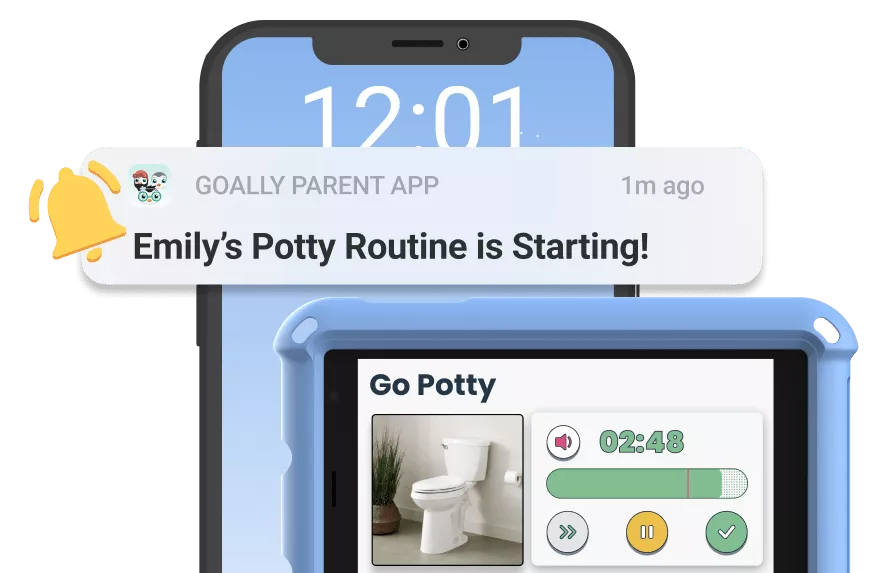
Goally helps kids with ADHD stay focused and build skills. Unlike a Kindle or an iPad that kids get easily distracted on, Goally has no YouTube, no social media, no web browser, and especially no ads.
Goally uses game play as a points-based motivator for your kiddo with ADHD and helps them learn emotional regulation skills. It’s simple to set up and has an expert-informed design.

Don’t Forget Self-Care for Parents
Finally, remember that supporting a child with ADHD can be challenging, but it’s essential to prioritize self-care as well. Make time for yourself, seek support from friends, family, or support groups, and remember that you’re not alone in this journey. Understanding what ADHD looks like in a 7 year old girl is the first step toward supporting your child’s unique needs. Remember, every child is different, and with patience, consistency, and the right strategies, your child can thrive. If you suspect your child may have ADHD, consult with a professional for guidance and support.
FAQ’s About ADHD in 7 Year Old Girl
How does ADHD look different in girls?
Girls with ADHD may appear less hyperactive and more inattentive or withdrawn. They might struggle with organization, forgetfulness, emotional sensitivity, or difficulty making friends.

Why is ADHD often missed in girls?
Girls with ADHD might be labeled as "daydreamers" or "spacey" rather than disruptive. Their internal struggles with focus and emotional regulation can be easily overlooked.

What are some signs of ADHD in a 7-year-old girl?
Look for frequent daydreaming, disorganization, trouble following instructions, difficulty staying on task, emotional outbursts, and challenges with social interactions.

How can I get my daughter evaluated for ADHD?
Start by talking to your child's pediatrician or a mental health professional specializing in ADHD. They can conduct an assessment and provide a diagnosis.

What can I do to support my daughter with ADHD?
Create structure with routines and visual schedules, use positive reinforcement, help her develop emotional regulation skills, and advocate for her needs at school.
This post was originally published on 05/05/2023. It was updated on 03/21/2024.

Goally
We help parents teach their kids life skills, like doing bedtime and morning independently. Backed by science, we incorporate evidence-based practices and expert-informed designs in all of our apps and content.