As a parent, you’ve been a rockstar for your neurodivergent child. But now, you’re curious about a question that’s been nagging at you: “Can you develop ADHD in your 20s?” This blog post will look into the possibilities of developing ADHD later in life, discuss factors that may contribute to late diagnosis, and provide helpful tips for managing ADHD symptoms. By the end, you’ll have a better understanding of this complex topic and feel more equipped to support your loved ones.
Table of Contents
Is it Possible to Develop ADHD in Your 20s?
First and foremost, let’s tackle the big question: can you develop ADHD in your 20s? The short answer is no. ADHD is a disorder that typically starts in childhood. However, it’s possible for ADHD to go undiagnosed until adulthood. In fact, many adults with ADHD were never diagnosed as children, and their symptoms may have been misattributed to other factors.
There are several reasons why ADHD might not be diagnosed until adulthood. In the next section, we’ll explore some of these factors.
Factors Contributing to Late ADHD Diagnosis

Read more: Can You Develop ADHD at Any Age?
A variety of factors can contribute to a late ADHD diagnosis. For example:
- Lack of awareness: In the past, ADHD was not as well-known or understood as it is today. This may have led to many cases going undiagnosed in childhood.
- Misdiagnosis: ADHD symptoms can overlap with those of other conditions, such as anxiety or depression, leading to misdiagnosis.
- Gender bias: ADHD is often underdiagnosed in girls, as their symptoms may present differently than those of boys.
| Factor | Description |
|---|---|
| Lack of awareness | ADHD was not as well-known or understood in the past, leading to undiagnosed cases in childhood. |
| Misdiagnosis | ADHD symptoms can overlap with other conditions, such as anxiety or depression, leading to misdiagnosis. |
| Gender bias | ADHD is often underdiagnosed in girls, as their symptoms may present differently than those of boys. |
Recognizing ADHD Symptoms in Adults
To better understand the question, “can you develop ADHD in your 20s,” it’s essential to recognize the symptoms of ADHD in adults. These can include:
- Difficulty focusing or paying attention
- Impulsivity
- Disorganization
- Procrastination
- Forgetfulness
- Restlessness
- Emotional instability
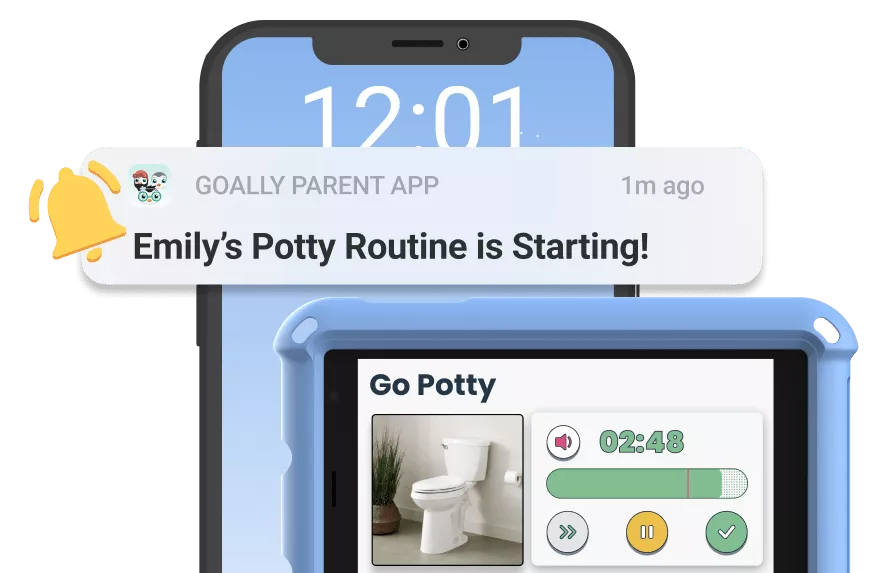
If you or someone you know is showing these symptoms, it’s crucial to consult a healthcare professional for an accurate diagnosis and the best treatment. Goally’s learning tablet for kids and apps can also be a helpful resource for managing ADHD symptoms.

Read more: Do I Have ADHD?
Tips for Managing ADHD Symptoms in Adults
Above all, managing ADHD symptoms in adults is vital for improving the overall quality of life. Here are some helpful strategies:
- Develop a structured routine: Establishing a daily routine can help create a sense of stability and predictability.
- Break tasks into smaller steps: Breaking tasks into smaller, more manageable steps can make them less overwhelming.
- Use reminders and tools: Utilize calendars, to-do lists, and alarms to help you stay organized and on track. Goally’s learning tablet for kids and apps can be a valuable resource in this area.
- Prioritize self-care: Engaging in regular exercise, maintaining a healthy diet, and getting adequate sleep can significantly impact ADHD symptoms.
- Seek professional help: A healthcare professional can provide guidance, support, and treatment options tailored to individual needs.
Read More: Does ADHD Get Better With Age?
Supporting Your Neurodivergent Child as They Grow
As your child with thinking and learning differences grows older, it’s essential to continue providing support and encouragement. Here are some ways to help:
- Foster open communication: Encourage your child to express their feelings and concerns openly.
- Provide guidance: Offer guidance on managing ADHD symptoms and navigating the challenges of adulthood.
- Encourage independence: Help your child develop essential life skills, such as time management, organization, and problem-solving.
- Connect with resources: Seek out support groups, educational resources, and professional assistance to help your child thrive. Goally’s learning tablet for kids and apps can be a great starting point.
Try Goally For Your Child With ADHD
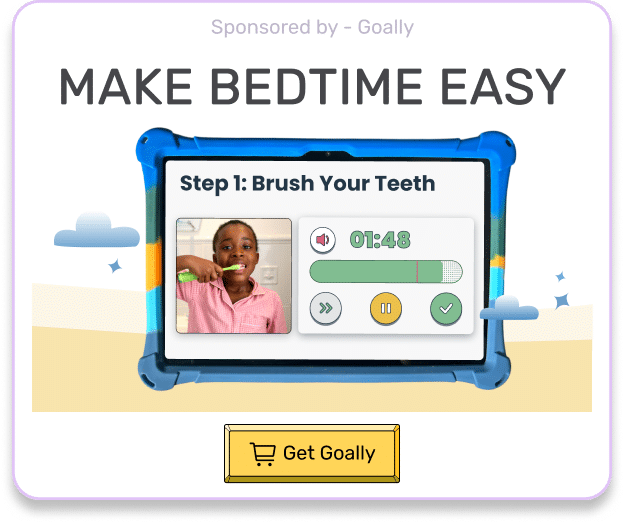
Goally is an excellent option for many families that have a child with ADHD. Use game play as a points-based motivator for your kiddo with ADHD, help them learn emotional regulation skills, and watch them grow! It’s simple to set up and has an expert-informed design.
In short, while it’s not possible to develop ADHD in your 20s, many adults may have gone undiagnosed during childhood. Recognizing the symptoms, seeking professional help, and implementing strategies to manage ADHD can significantly improve the quality of life for adults with ADHD. As a parent, continue to support your neurodivergent child as they grow, fostering open communication and encouraging independence. Together, you can navigate the challenges of ADHD and build a brighter future.
This post was originally published on 06/02/2023. It was updated on 10/13/2023.

Goally
We help parents teach their kids life skills, like doing bedtime and morning independently. Backed by science, we incorporate evidence-based practices and expert-informed designs in all of our apps and content.
- Goally
- Goally
- Goally
- Goally
- Goally
- Goally
- Goally
- Goally
- Goally
- Goally
- Goally
- Goally
- Goally
- Goally
- Goally
- Goally
- Goally
- Goally
- Goally
- Goally
- Goally
- Goally
- Goally
- Goally
- Goally
- Goally
- Goally
- Goally
- Goally
- Goally
- Goally
- Goally
- Goally
- Goally
- Goally
- Goally
- Goally
- Goally
- Goally
- Goally
- Goally
- Goally
- Goally
- Goally
- Goally
- Goally
- Goally
- Goally
- Goally
- Goally
- Goally
- Goally
- Goally
- Goally
- Goally
- Goally
- Goally
- Goally
- Goally
- Goally
- Goally
- Goally
- Goally
- Goally
- Goally
- Goally
- Goally
- Goally
- Goally
- Goally
- Goally
- Goally
- Goally
- Goally
- Goally
- Goally
- Goally
- Goally
- Goally
- Goally
- Goally
- Goally
- Goally
- Goally
- Goally
- Goally
- Goally
- Goally
- Goally
- Goally
- Goally
- Goally
- Goally
- Goally
- Goally
- Goally
- Goally
- Goally
- Goally
- Goally
- Goally
- Goally
- Goally
- Goally
- Goally
- Goally
- Goally
- Goally
- Goally
- Goally
- Goally
- Goally
- Goally
- Goally
- Goally
- Goally
- Goally
- Goally
- Goally
- Goally
- Goally
- Goally
- Goally
- Goally
- Goally
- Goally
- Goally
- Goally
- Goally
- Goally
- Goally
- Goally
- Goally
- Goally
- Goally
- Goally
- Goally
- Goally
- Goally
- Goally
- Goally
- Goally