Exploring autism schools in Nigeria is both a hopeful and challenging journey for parents. Seeking reliable information on these schools can be complex. This blog serves as your trustworthy guide, offering insights into the world of autism education in Nigeria. It’s not just about information; it’s a roadmap for your unique journey. Get ready to discover the top spots for neurodivergent kids to learn and grow in Nigeria.
Table of Contents
Top 5 Autism Schools in Nigeria
When selecting the best school for your child, you want nothing but the best. With the right resources, your search can become a whole lot easier. Below, we’ve got a table showcasing five standout autism schools in Nigeria:
| Name | Star Rating | Reviews | Address | Hours of Operation | Description |
|---|---|---|---|---|---|
| Patrick Speech And Language Centre | 4.8 | 53 | Ikeja, Nigeria | Open – Closes 5 PM | A highly-rated school in Ikeja, Nigeria, known for its excellence in speech and language education. |
| OLG HEALTH FOUNDATION AND AUTISM CENTER | 4.6 | 38 | Abuja, Nigeria | Closes soon – 3 PM | Providing specialized education in Abuja, this center focuses on holistic health and autism care. |
| JEWELS SPECIAL NEEDS CENTRE | 5.0 | 23 | Abuja, Nigeria | Open – Closes 4 PM | With a perfect rating, this center in Abuja stands out for its exceptional services catering to special needs. |
| Open Doors Special Education Centre | 4.2 | 12 | Tudun Wada, Nigeria | Closes soon – 2:30 PM | Located in Tudun Wada, Nigeria, this school is closing soon but is well-regarded for its open approach to education. |
| Marigold Special School | 4.5 | 6 | Lagos, Nigeria | Open – Closes 4 PM | A special education school in Lagos, Nigeria, known for its nurturing environment and individualized attention. |
Is Autism Common in Nigeria?
Above all, knowing you’re not alone on this journey is crucial. For instance, a study published in the South African Journal of Psychiatry reported a prevalence rate of 0.6% for Autism Spectrum Disorder (ASD) in Nigeria. This emphasizes that many families are navigating the same challenges you might be facing.
Moreover, awareness around autism and its management is seeing a positive shift. In other words, Nigeria’s increasing focus on early diagnosis and intervention exhibits the nation’s commitment to supporting its neurodivergent population.

What Age Do Autistic Children Go to School?
Here’s an essential question. In general, kids with autism can start school as early as any other child. Typically, this happens around the age of 2 or 3. However, it’s crucial to understand that every child’s journey is unique.
Likewise, some neurodivergent kids might benefit from early intervention services before hopping into preschool. In other words, consider speaking with a developmental pediatrician or a psychologist for personalized advice regarding your child’s first school day.
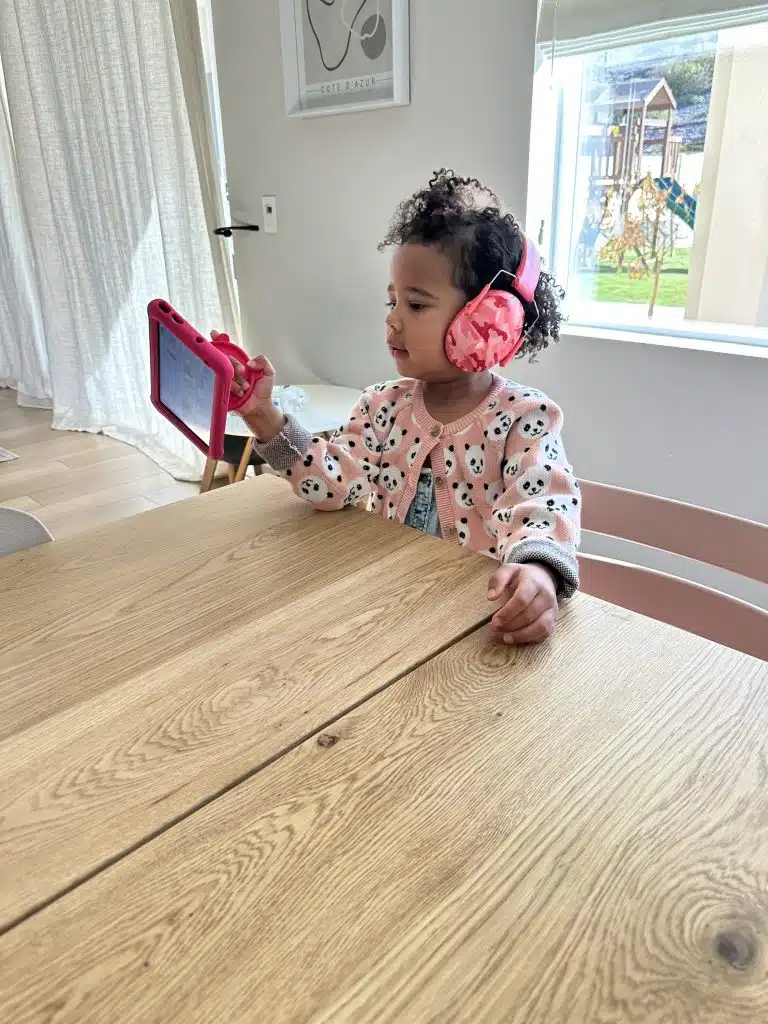
“I found Goally on Instagram a few months ago and I thought, this sounds like a perfect aid for Ivy. Ivy had just started speaking, but her communication was still very minimal. Goally’s visual schedule and AAC-inspired Talker had me really interested. While we want and believe Ivy will find her voice and spoken language, we also believe that communication comes in many forms. Goally has helped us offer our daughter a voice while she learns to find her own. The key is to support communication in whatever form that takes.” – Cassidy I.
Can Autistic Kids Go To a Normal Preschool?
Believe it or not, “normal” settings can sometimes be an excellent fit for neurodivergent kids. In addition, many autistic kids thrive in typical preschool scenarios, mainly when supplemented with necessary support and understanding from teachers and peers alike. Similarly, this can foster better social interaction.
Similarly, you may consider a mix of special education and mainstream schooling based on your child’s specific needs. After that, the right balance can catalyze growth and learning outcomes for these unique learners.

Can Autistic Children Succeed in School?
Autistic kids can definitely taste success in school! Firstly, these kids can conquer classroom challenges with the correct support and resources. Not just succeeding, they have the potential to outshine!
Remember, success isn’t defined solely by academic prowess. And in this regard, neurodivergent kids often exhibit exceptional abilities in specific areas. Moreover, they’re second to none when fostered in the right environment!
How Goally Can Help
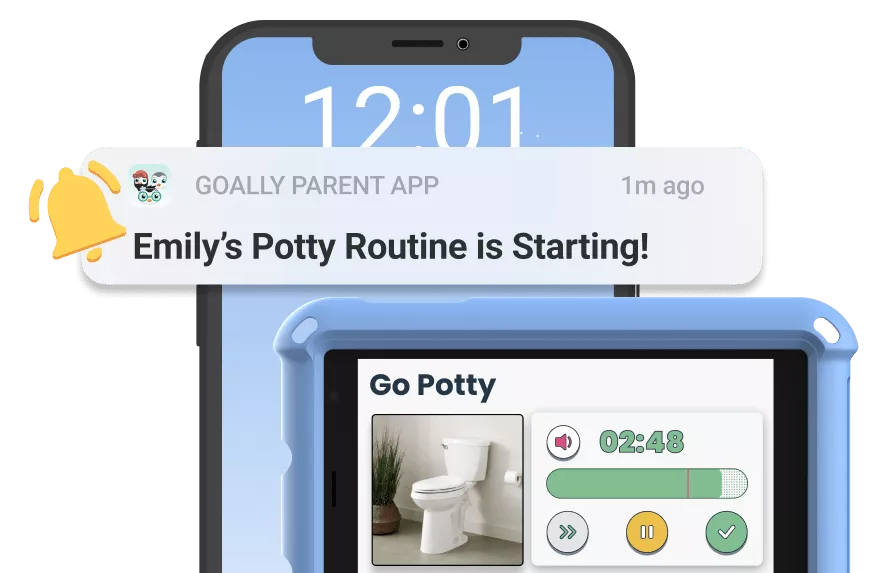
Goally is a great tool for kids with ASD who are looking to improve their life and language skills. It can be used in the home or clinic, and it is tailored to the individual needs of each child. Goally is a digital therapy and teaching assistant that can help kiddos with autism spectrum disorder (ASD). Goally can help children with a variety of tasks, including:

- Learning New Skills: Goally’s video classes helps children learn new skills, such as: how to follow directions, how to interact with peers, and how to make a sandwich.
- Increased Communication: Goally helps children effectively communicate wants and needs while also teaching them their first 50 words, allowing children to participate in the world around them.
- Behavior Management: Goally helps children manage their behavior, both in the classroom and at home by rewarding positive behaviors created by parents and teachers.
Goally’s distraction-free kid’s tablet can be used as a therapy tool to help teach executive function, language, emotional regulation, finger dexterity skills, and more!
Conclusion
Finding the ideal school for your neurodivergent child may seem winding. But remember: you are the best advocate for your child’s needs. When paired with leading autism schools in Nigeria, the potential of our children can truly flourish. Resources like Goally can provide additional support. Their innovative learning tablet and apps have been developed with kids with thinking and learning differences in mind. Harnessing such resources alongside great schooling can aid your child in carving a unique path to success. To sum up, every step you take brings us closer to a world that values neurodivergent individuals for their unique abilities and perspectives.

Hennah is an experienced writer and researcher, helping children with autism, ADHD, and other neurodivergent conditions. As a blog contributor for Goally, she combines her deep understanding of neurodiversity with practical advice, offering valuable insights to parents and educators.