Navigating child behavioral issues can be a complex and delicate journey, which is why many parents find themselves exploring psychotherapy in Toronto. If you’re weighing this option, you’re likely seeking more than general advice; you want credible, localized guidance. This guide offers an objective breakdown of psychotherapy services in Toronto, specifically focusing on what each can offer to families with distinct needs.
Table of Contents
The Top 5 Psychotherapy Clinics in Toronto
| Name of the Location | Star Rating | Number of Reviews | Address | Hours of Operation | Unique Feature |
|---|---|---|---|---|---|
| The Mindfulness Clinic | 3.8 | 55 | 700 Bay St. #2200 | Open ⋅ Closes 8 PM | Specializes in mindfulness-based therapies, ideal for children who struggle with anxiety. |
| KMA Therapy Toronto: Yonge and Eglinton | 4.1 | 21 | 120 Eglinton Ave E Suite 304 | Open ⋅ Closes 9 PM | Offers late-night appointments, perfect for busy families. |
| Psychotherapist Downtown Toronto | Relationship | 4.5 | 8 | 211 Carlton St. | Open ⋅ Closes 9 PM | Focused on relationship issues, making it suitable for adolescents experiencing friendship or family challenges. |
| Psych Company | 4.2 | 10 | 150 King St W Suite 325 | Open ⋅ Closes 10:30 PM | Stays open the latest, catering to emergency or last-minute consultations. |
| Toronto Psychotherapy Group | 5.0 | 7 | 120 Carlton St. #413 | Open ⋅ Closes 5 PM | Boasts a perfect rating, best for families who prioritize quality and expertise. |
How Much is a Psychotherapy Session in Toronto?
Most importantly, psychotherapy cost can be a concern. In Toronto, the average hourly rate for psychotherapy varies between $125 and $175. However, some clinics operate on a sliding scale based on income. Always inquire about fees upfront to help manage your budget.
Moreover, several clinics offer group therapy sessions, which are typically less expensive than one-on-one sessions. Alternatively, some psychotherapists in Toronto offer package deals for multiple sessions purchased together.
Is Therapy Covered by OHIP Toronto?
In most cases, OHIP does not cover psychotherapy. However, don’t lose heart. Certain employer-provided health benefit plans reimburse therapy fees. Always review your health insurance policy or discuss this with your Human Resources manager.
Also, clinics operating on a sliding scale can offer therapy sessions at a lower cost. While finances should be a consideration, the well-being of your neurodivergent child should be paramount.

What is the Difference Between a Psychotherapist and Psychologist?
Certainly, understanding the roles of health professionals can seem like a maze. In short, both psychotherapists and psychologists offer talk therapy. They use various methodologies to help kids cope with their thinking and learning differences. However, only a psychologist can conduct psychological testing and assessments.
What does this difference mean for you? A psychotherapist may be your best bet if your child struggles predominantly with day-to-day behavioral or emotional issues. On the other hand, if you need a diagnosis or evaluation of learning disorders, you’ll want to see a psychologist.
Can a Psychotherapist Diagnose?
Similar to the previous point, psychotherapists do not typically diagnose. Rather, they help manage symptoms. However, with extensive training and experience, they can identify signs of mental health disorders based on observable behaviors and shared concerns during therapy. For formal diagnosis — for example, ADHD or Autism Spectrum Disorder — a psychologist or psychiatrist is necessary.
It’s crucial to understand that diagnosis is not the panacea for your child’s challenges. Rather, it’s a stepping stone. What truly matters is shaping a nurturing environment that embraces neurodivergence and encourages growth.
Read more: Who Can Diagnose Autism?
Goally | Apps To Support Child Development
Looking for fun ways to help your child learn life skills? Try Goally! The Goally tablet comes with award-winning learning apps and video classes to help kids develop the skills they need to become independent with FUN & evidence-based practices.

Our apps teach executive function, language, emotional regulation, finger dexterity skills, and more.
As your child develops new skills, you can increase the difficulty level of the tasks in the app to challenge and motivate them even further. This helps your child grow and progress at their own pace, while also keeping them engaged and excited about their development.

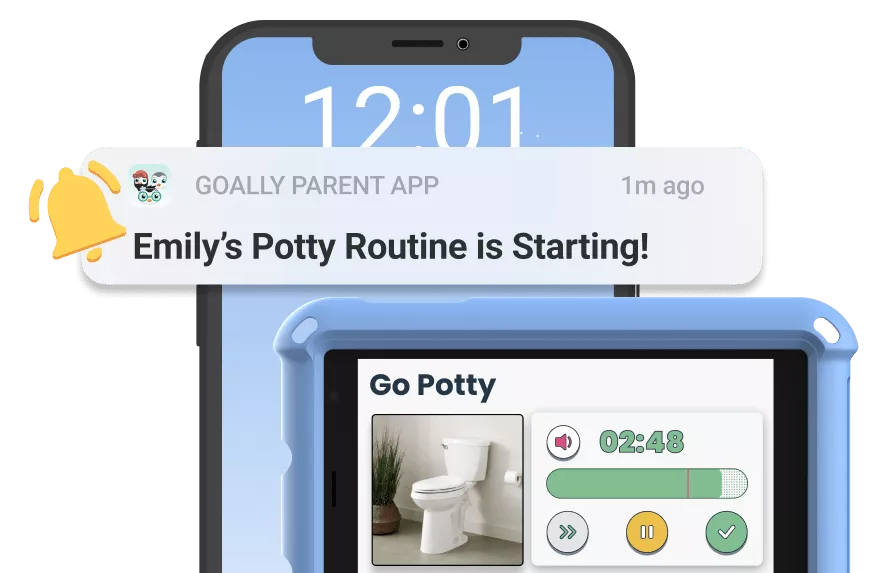
Psychotherapy can offer valuable support for your neurodivergent child. In Toronto, various services cater to varied needs, many with specific, unique offerings. As a parent, understanding these services, their cost, and coverage, as well as the roles of mental health professionals, is pivotal. However, it can be overwhelming to navigate this alone. Enlist tools like Goally, a digital assistance tool for kids with thinking and learning differences. The Goally can provide structure and routine in your child’s life, complementing the work of professionals in Toronto’s psychotherapy landscape.

Hennah is an experienced writer and researcher, helping children with autism, ADHD, and other neurodivergent conditions. As a blog contributor for Goally, she combines her deep understanding of neurodiversity with practical advice, offering valuable insights to parents and educators.