As someone who works closely with kids, I know how challenging it can be to plan a birthday party that caters to the unique needs of neurodivergent children. A sensory-friendly birthday party is a celebration that takes into account the sensory processing differences of kids with special needs, ensuring they feel comfortable, safe, and able to enjoy the festivities. In this article, I’ve compiled a list of birthday party ideas and tips to help you create an unforgettable experience for your child and their friends. Let’s explore some ways to make your neurodivergent child’s birthday party a success!
Table of Contents
1. Choose a Sensory-Friendly Venue
When selecting a location for your child’s birthday party, opt for a venue that minimizes sensory overload. Consider places with adjustable lighting, a quiet space for breaks, and minimal background noise. Some great options include:
- A local park with a reserved picnic area
- A sensory-friendly movie theater
- An inclusive play space designed for kids with special needs
Remember, the key is to find a space that accommodates your child’s specific sensory needs and preferences.

Read more: How To Host for a Neurodiverse Child at a Party
2. Keep the Guest List Small
For neurodivergent kids, large crowds can be overwhelming. To create a more comfortable atmosphere, consider keeping the guest list small. Invite your child’s closest friends and family members who understand and support their unique needs. A smaller gathering allows for more individualized attention and reduces the likelihood of sensory overload.
According to a study by the American Journal of Occupational Therapy, children with autism spectrum disorder (ASD) often have difficulty processing sensory information, which can lead to anxiety and stress in social situations. By keeping the guest list intimate, you create a more manageable and enjoyable experience for your child.
3. Plan Structured Activities
Neurodivergent kids often thrive on structure and predictability. When planning birthday party activities, create a schedule that outlines the flow of the celebration. Include a mix of structured activities and free play time to accommodate different preferences. Some engaging activities might include:
- Arts and crafts projects
- Sensory bins with various textures
- A scavenger hunt with visual clues
I find that having a clear plan helps neurodivergent children feel more secure and reduces anxiety about what’s coming next.

4. Offer Sensory-Friendly Food Options
Food sensitivities and preferences are common among neurodivergent kids. When planning the menu, consider offering a variety of sensory-friendly food options. This might include:
| Food Category | Sensory-Friendly Options |
|---|---|
| Main Dishes | Pizza with various toppings, chicken nuggets, pasta with butter or mild sauce |
| Snacks | Pretzels, popcorn, veggie sticks with hummus or ranch dip |
| Desserts | Cupcakes with minimal frosting, fruit kebabs, ice cream with toppings on the side |
By providing familiar and comforting food choices, you can help neurodivergent kids feel more at ease during the celebration.
5. Create a Quiet Space
Even with the most carefully planned sensory-friendly birthday party, some kids may still feel overwhelmed at times. Designate a quiet space where children can take a break from the festivities. This area should have minimal sensory stimuli and offer calming activities like:
- Soft cushions or beanbags for relaxing
- Noise-canceling headphones
- Fidget toys or stress balls
- Coloring books and crayons
Providing a quiet retreat allows neurodivergent kids to self-regulate and return to the party feeling refreshed.

Read more: 5 Autism Birthday Tips
6. Prepare Guests and Parents
Communication is key when planning a sensory-friendly birthday party. Before the celebration, reach out to guests’ parents to discuss any specific accommodations their child might need. Share the party schedule and activities in advance, so everyone knows what to expect. You might also consider providing:
- A social story that outlines the party flow and expectations
- Name tags for guests to facilitate social interactions
- Sensory-friendly party favors like bubbles or playdough
By openly communicating with guests and their parents, you create a supportive and inclusive environment for all attendees.
Research shows that parental involvement and understanding are crucial for the success of interventions and support strategies for neurodivergent children. Collaborating with other parents ensures that everyone is on the same page and working together to create a positive experience.
7. Celebrate Neurodiversity
Above all, remember that your child’s birthday party is a celebration of who they are—a unique and wonderful individual. Embrace their neurodiversity and create an atmosphere that honors their strengths and interests. Whether it’s incorporating their favorite sensory-friendly activities or decorating with their beloved characters, make the party a reflection of your child’s personality.
I’ve witnessed firsthand the joy and confidence that neurodivergent kids experience when they feel genuinely celebrated and accepted. By creating a sensory-friendly birthday party tailored to your child’s needs, you’re giving them the gift of feeling loved and appreciated for exactly who they are.
Goally | Apps To Support Child Development
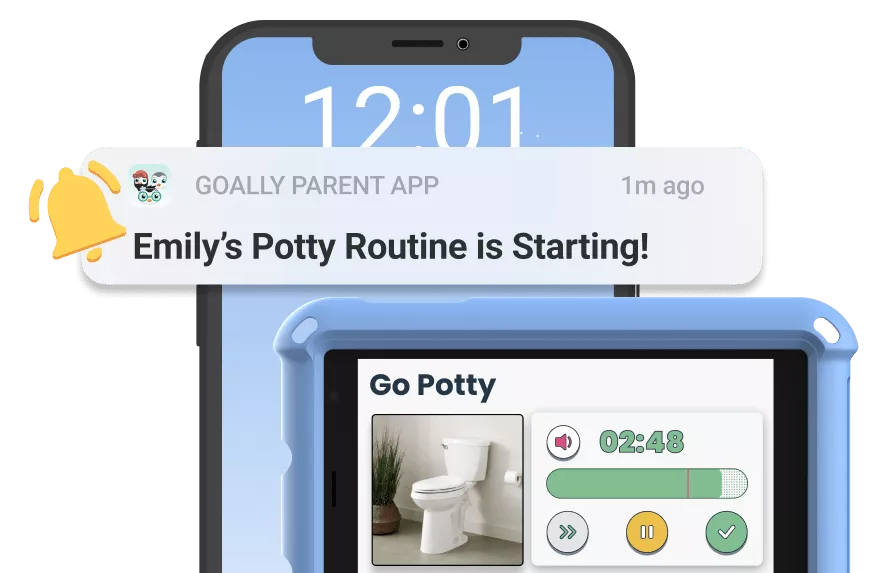
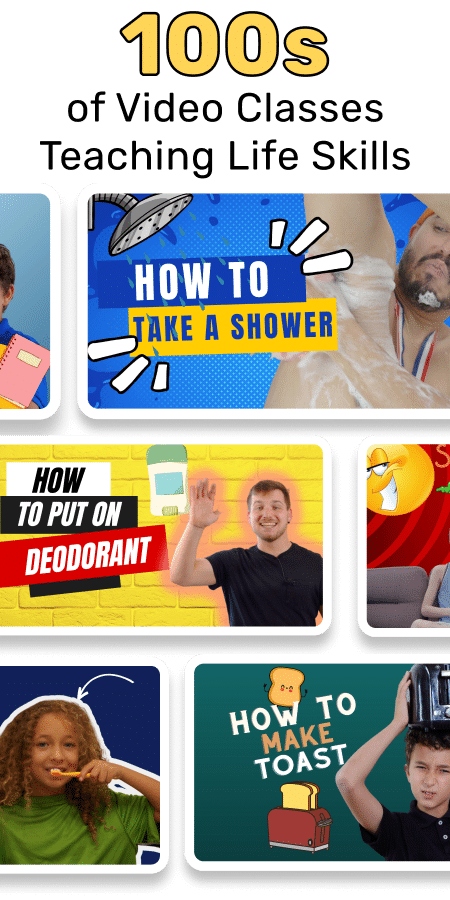
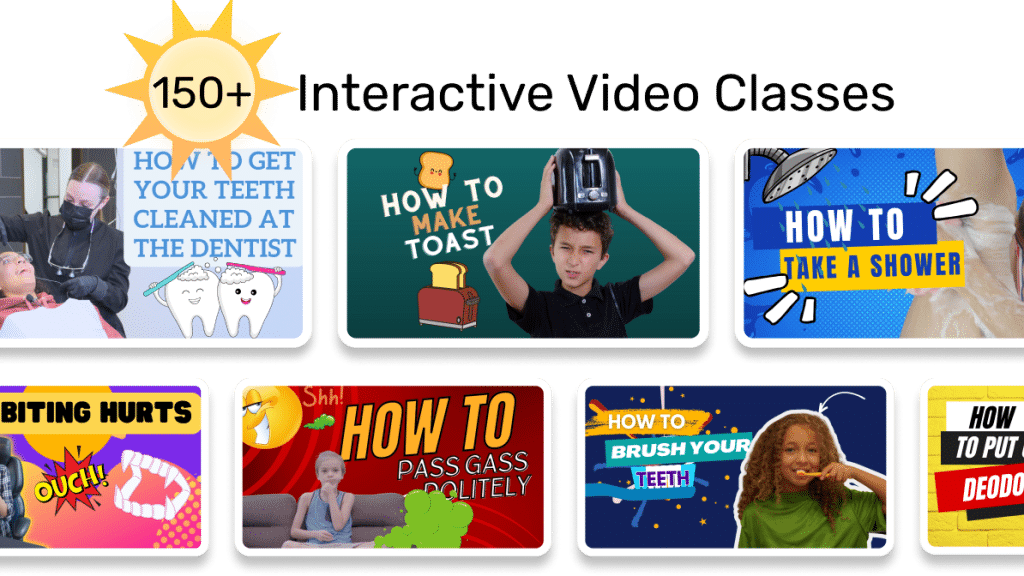
Looking for fun ways to help your child learn life skills? Try Goally! The Goally tablet comes with award-winning learning apps and video classes to help kids develop the skills they need to become independent with FUN & evidence-based practices.
Our apps teach executive function, language, emotional regulation, finger dexterity skills, and more.
As your child develops new skills, you can increase the difficulty level of the tasks in the app to challenge and motivate them even further. This helps your child grow and progress at their own pace, while also keeping them engaged and excited about their development.

Planning a sensory-friendly birthday party for your neurodivergent child may seem daunting at first, but with careful consideration and preparation, you can create a truly magical celebration. By choosing the right venue, keeping the guest list small, planning structured activities, offering sensory-friendly food options, providing a quiet space, communicating with guests, and celebrating neurodiversity, you’ll ensure that your child has a birthday party they’ll cherish for years to come.
Resources:
FAQs about Birthday Party Ideas
What are some unique birthday party themes for kids?
Consider themes like a superhero training camp, a magical wizard school, or an under-the-sea adventure. Each theme offers exciting activities and decoration ideas that can make the party unforgettable for children.

How can I plan a birthday party on a budget?
To keep costs low, host the party at home or in a free public space like a park, and make your own decorations and snacks. Limit the guest list to close friends and family to manage expenses more effectively.

What are some good activities for a teen birthday party?
Popular activities for teens include movie marathons, DIY pizza parties, or outdoor adventures like a scavenger hunt. These activities allow teens to be more independent while enjoying time with their friends.

How do I keep adults entertained at a child’s birthday party?
Include a mix of adult-friendly food and drink options, and set up a separate area where adults can socialize away from the main party activities. Consider having some interactive games or a trivia quiz that includes all ages.

What are some creative ways to handle party favors?
Instead of traditional goodie bags, consider giving a single meaningful item like a personalized water bottle, a small potted plant, or a craft that guests make during the party. This approach is not only memorable but often more appreciated by both kids and parents.
This post was originally published on 04/13/2023. It was updated on 05/18/2024.

Hennah is an experienced writer and researcher, helping children with autism, ADHD, and other neurodivergent conditions. As a blog contributor for Goally, she combines her deep understanding of neurodiversity with practical advice, offering valuable insights to parents and educators.