Finding the right pediatrician in Pittsburgh is crucial to ensuring your child receives top-notch care tailored to their needs.
Key Takeaways:
Pediatricians in Pittsburgh vary in accessibility, specialties, and reviews; choose one that aligns with your needs.
Pediatric care typically extends until age 18, with some cases going up to 21 years.
Regular pediatric visits help track physical and mental development and catch potential issues early.
Pediatricians can diagnose ADHD and provide ongoing support for managing symptoms.
Goally can aid in developing essential skills during pediatric visits, providing engaging and therapeutic apps.
What age is a pediatric patient? A pediatric patient is generally up to 18 years old, though some pediatricians extend care up to 21 years, depending on individual needs.
Table of Contents
Top 5 Pediatrician in Pittsburgh
Accessibility and great reviews are two significant factors parents often consider. So we’ve narrowed down five top-notch clinics around Pittsburgh.
Name of Location
Star Rating
Number of Reviews
Address
Hours of Operation
Description
UPMC Children’s Community Pediatrics – Greater Pittsburgh
4.9
119
Pediatrician ⋅ 1811 Boulevard of the Allies #200
Closes soon ⋅ 2 PM
Popular choice with high ratings and in a central location.
Part of a reputed chain with a blend of experienced care and good feedback.
What Age is a Pediatric Patient?
You might wonder at what age your child should see a pediatrician. Generally, it’s until 18 years. However, it can go up to 21 in some cases. Important to remember it’s not just about physical health. Pediatricians help keep track of your child’s growth and mental health too.
Choosing the right pediatrician in Pittsburgh for your kid – whether a newborn or a teen – is a crucial task, and we’re here to help.
When Should I See a Pediatrician?
Newborns ought to be checked within the first week after birth. After that, regular appointments are essential to keep a tab on your kid’s development. However, don’t hesitate to make an appointment outside the regular schedule if anything concerns you.
Early detection of any issue paves the way for early intervention. It can significantly impact your child’s life, especially for neurodivergent kids or kids with unique learning differences.
When Should I Be Concerned About My Child’s Illness?
Kids may frequently catch colds or flu but recover quickly most times. However, persistent symptoms, high fever, excessive lethargy, or changes in behavior could point toward something serious.
Remember, trust your gut. If something feels off, it’s crucial to consult a pediatrician. It’s better to catch an issue early than wait for full-blown symptoms.
ADHD is common among children, and early detection can help manage it better. Pediatricians can certainly diagnose ADHD significantly since early detection can help manage it better.
If your kid seems hyperactive, impulsive, or has trouble focusing, it might be time to consider an ADHD evaluation. Continue with consistent follow-ups, if diagnosed, since pediatric care for ADHD often involves ongoing monitoring and adjustments.
When you’re at the pediatrician’s office with your child, it can be hard to keep them entertained and engaged. But with Goally, a skill-building tablet for kids, you can help them learn and have fun at the same time.
Goally’s suite of apps helps kids learn and practice independent living skills using fun and evidence-based practices.
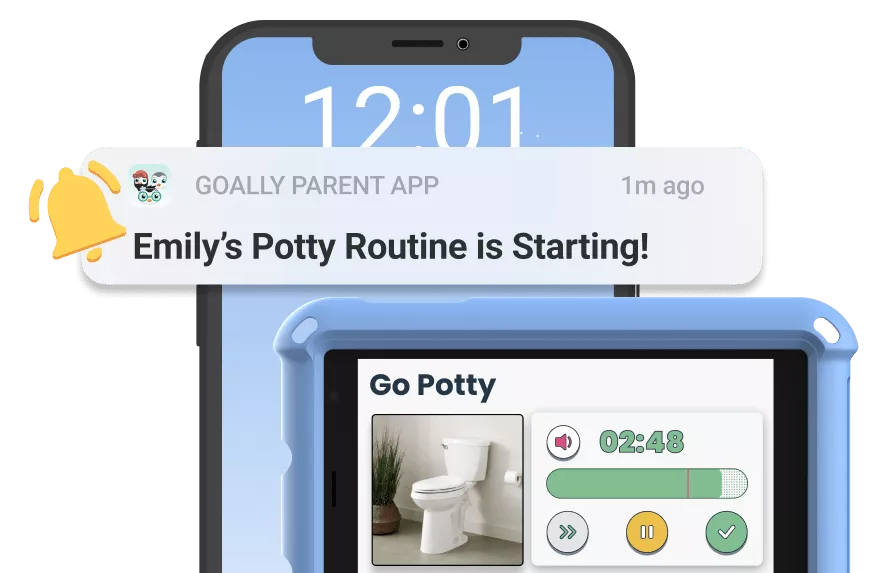
To keep the focus on skill-building, the apps come on a distraction-free kid’s tablet, and everything is controlled remotely from Mom’s own phone.
These apps can be used as a therapy tool to help teach executive function, language, emotional regulation, finger dexterity skills, and more! As your child develops new skills, you can increase the difficulty level of the tasks in the apps.
Choosing a pediatrician in Pittsburgh is all about finding someone you trust with the holistic development of your precious one, be it a toddler or a teenager. While this task might appear daunting at first, armed with the right know-how, you’ll undoubtedly make an informed choice.
Helpful Resources
Here are some credible sources where parents can read more about pediatricians in Pittsburgh:
How do I find a good pediatrician in Pittsburgh?
Look for pediatricians with high ratings, positive reviews, and convenient locations in Pittsburgh.

What should I consider when choosing a pediatrician in Pittsburgh?
Consider factors like experience, location, office hours, and how comfortable your child feels with the doctor.

Can a pediatrician in Pittsburgh diagnose ADHD?
Yes, pediatricians can evaluate and diagnose ADHD in children through assessments and observations.

When should I take my child to a pediatrician in Pittsburgh?
You should visit for regular check-ups, vaccinations, or when your child shows signs of illness or developmental concerns.

What services do pediatricians in Pittsburgh offer?
Pediatricians provide preventive care, diagnose and treat illnesses, and offer guidance on growth, nutrition, and mental health.
This post was originally published on 09/19/2023. It was updated on 09/11/2024.
Hennah is an experienced writer and researcher, helping children with autism, ADHD, and other neurodivergent conditions. As a blog contributor for Goally, she combines her deep understanding of neurodiversity with practical advice, offering valuable insights to parents and educators.