As a licensed practitioner who works with kids, I’ve seen firsthand the power of using rewards for good behavior. When used effectively, rewards can help shape positive habits, reinforce desired actions, and create a more harmonious home environment. In this blog post, I’ll share some proven strategies and ideas for implementing a reward system that works for your family, including tips for kids with special needs or learning differences.
Table of Contents
Understanding the Benefits of Rewards
Before diving into specific reward ideas, it’s important to understand why they work. Research shows that positive reinforcement, such as rewards, can be a powerful motivator for kids. In fact, a study published in the Journal of Applied Behavior Analysis found that reward systems significantly improved children’s behavior and academic performance.
Rewards tap into the brain’s pleasure centers, releasing feel-good chemicals like dopamine. This reinforces the link between the desired behavior and the positive outcome, making kids more likely to repeat the action in the future. Over time, this can lead to lasting habit formation and intrinsic motivation.

Read more: Setting Up a Reward System for Kids
Choosing the Right Rewards
Not all rewards are created equal. To be effective, rewards should be:
- Age-appropriate: Choose rewards that align with your child’s developmental stage and interests.
- Achievable: Set realistic goals so your child can experience success and stay motivated.
- Varied: Mix up the rewards to prevent boredom and maintain excitement.
- Meaningful: Select rewards that truly matter to your child, whether it’s one-on-one time with you or a coveted toy.
Here are some reward ideas for different age groups:
| Age Group | Reward Ideas |
|---|---|
| Toddlers (2-3 years) | Stickers, small toys, extra playtime, praise and hugs |
| Preschoolers (3-5 years) | Temporary tattoos, bubble bath, choosing the bedtime story, helping with a grown-up task |
| School-age kids (5-10 years) | Extra screen time, playdate with a friend, trip to the park, new art supplies |
Implementing a Reward System
Now that you have some reward ideas, it’s time to put them into practice. Here’s a step-by-step guide:
- Identify target behaviors: Choose 1-3 specific actions you want to encourage, such as completing homework, helping with chores, or using kind words.
- Set clear expectations: Explain what you expect and why it matters. For kids with thinking and learning differences, use visual aids or social stories to reinforce understanding.
- Create a tracking system: Use a sticker chart, token jar, or digital app to monitor progress. Make it visual and engaging.
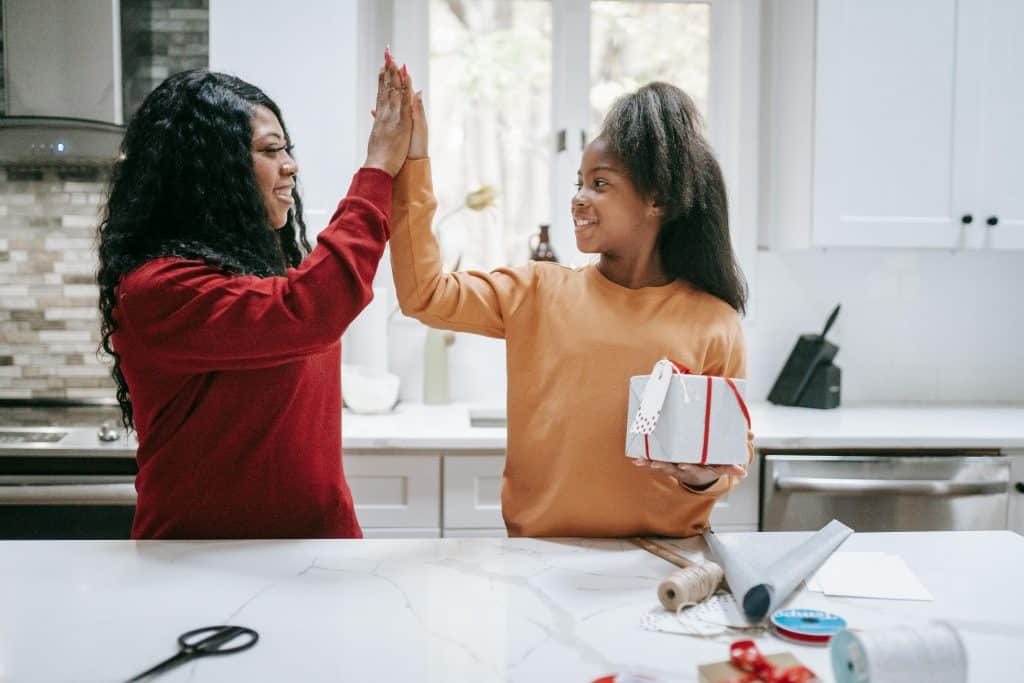
- Celebrate milestones: Offer praise and rewards when your child meets their goals. Make a big deal out of their accomplishments!
- Adjust as needed: If a reward loses its appeal or a goal becomes too easy or difficult, don’t be afraid to make changes. The system should evolve with your child.
When Rewards Aren’t Working
If you’ve been trying rewards consistently but have yet to see positive results, don’t get discouraged. This happens sometimes, but it doesn’t mean you’re doing anything wrong. A few things to troubleshoot:
- Are the rewards actually motivating to your child? Have a collaborative discussion about what they would work for and adjust as needed.
- Is the goal behavior well-defined and understood? Make sure expectations are clearly explained and demonstrated. Written or visual checklists can help.
- Is the reward too far out of reach? For some kids, especially those with ADHD or other executive functioning issues, long-term rewards lose their power. Try breaking goals down into smaller steps with more frequent rewards.
- Are there underlying issues making the behavior hard? Sensory overload, anxiety, skill deficits or other challenges can get in the way. Consider if any accommodations or teaching strategies are needed, not just rewards.
We had a student on the spectrum who wasn’t responding to the class reward system. Turned out he had a lot of social anxiety and the peer attention involved was stressing him out. His behavior improved dramatically once we switched to a more private reward process between just him and the teacher. The rewards didn’t change, but the context made all the difference for his unique needs.
Read more: Editable Reward Chart Template
Tips for Kids with Special Needs
Reward systems can be particularly helpful for neurodivergent kids or those with learning disabilities. However, you may need to make some accommodations:
- Break tasks into smaller, more manageable steps
- Use visual schedules and timers to provide structure
- Offer sensory-friendly rewards like weighted blankets, noise-cancelling headphones, or fidget toys
- Be patient and consistent – progress may be slower, but celebrate every victory along the way
I worked with one family who had a 7-year-old son with ADHD. We created a simple reward system where he earned Pokemon cards for completing his morning routine and doing his homework. The visual nature of the cards and the clear expectations made a world of difference in his behavior and self-esteem.
Goally | Apps That Build Behavior & Life Skills for Kids
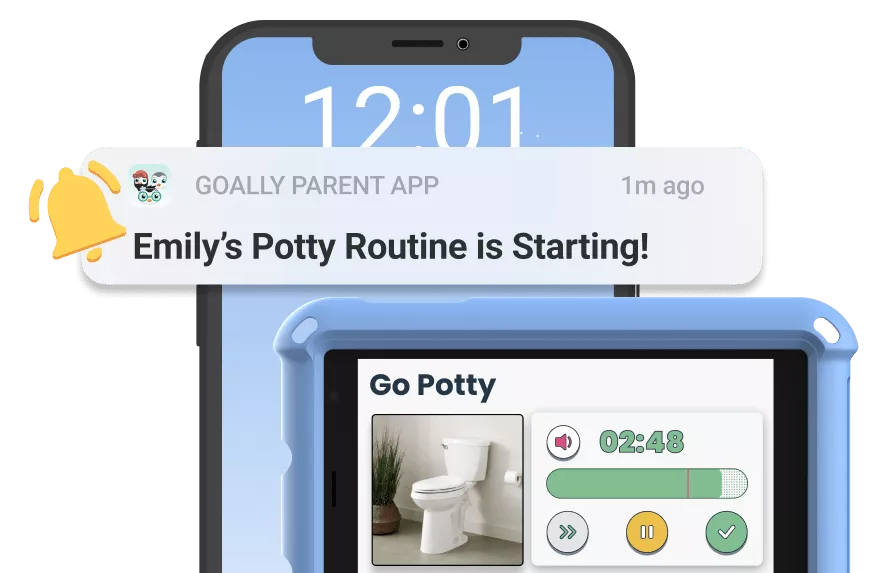
Want to keep your child motivated while building essential behavior and life skills? Goally’s skill-building tablet is designed to celebrate small wins and help your child grow. Our Behavior Tracker helps you reward your kid for specific skills, like “being kind” or “flushing the toilet.”
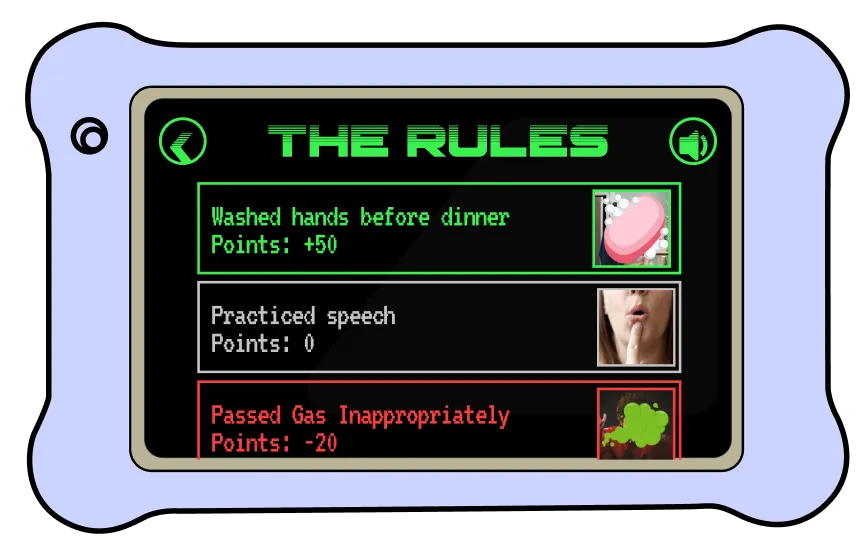
By setting clear expectations and rewarding their efforts, you foster a positive environment for your child to flourish in their behavioral skills journey.
Rewards for good behavior can be a game-changer for kids and parents alike. By understanding the principles behind effective rewards, choosing age-appropriate incentives, and implementing a clear system, you can encourage positive habits that last a lifetime. Remember to celebrate your child’s unique strengths, be patient as they learn and grow, and never underestimate the power of your love and praise. With a little creativity and consistency, you’ve got this!
Resources:
- CDC: Rewards Can Encourage Good Behavior
- Understood: How to Give Praise That Builds Your Child’s Self-Esteem
- PBIS World: Reward Systems
FAQs about Rewards for Good Behavior
What are some effective rewards for good behavior?
Consider using positive reinforcement such as praise, privileges like extra screen time, small treats, activity-based rewards, or special outings as incentives for demonstrating positive behavior.

Should rewards be given immediately after good behavior?
Yes, timely reinforcement is crucial for reinforcing positive behavior. Giving rewards promptly after good behavior helps reinforce the connection between the action and the reward, increasing the likelihood of repetition.

How can rewards be tailored to individual children?
Take into account each child's interests, preferences, and developmental stage when selecting rewards. Personalizing rewards ensures they are meaningful and motivating for the individual child.

Are there alternatives to tangible rewards?
Yes, non-material rewards such as verbal praise, extra privileges, opportunities for autonomy, and recognition in front of peers can be highly effective in reinforcing good behavior without relying solely on tangible items.

Should there be a variety of rewards offered?
Yes, offering a variety of rewards keeps the reinforcement process engaging and prevents rewards from losing their effectiveness over time. Rotating or mixing up rewards ensures continued motivation and interest.

Hennah is an experienced writer and researcher, helping children with autism, ADHD, and other neurodivergent conditions. As a blog contributor for Goally, she combines her deep understanding of neurodiversity with practical advice, offering valuable insights to parents and educators.