Worried about your kids around plugs and outlets? I get it. Electric outlets can be a hidden danger at home, but with the right precautions, you can make your home much safer. Here’s how to keep your kids safe from plugs and outlets.
Key Takeaways:
- Install tamper-resistant outlets to prevent accidental shocks.
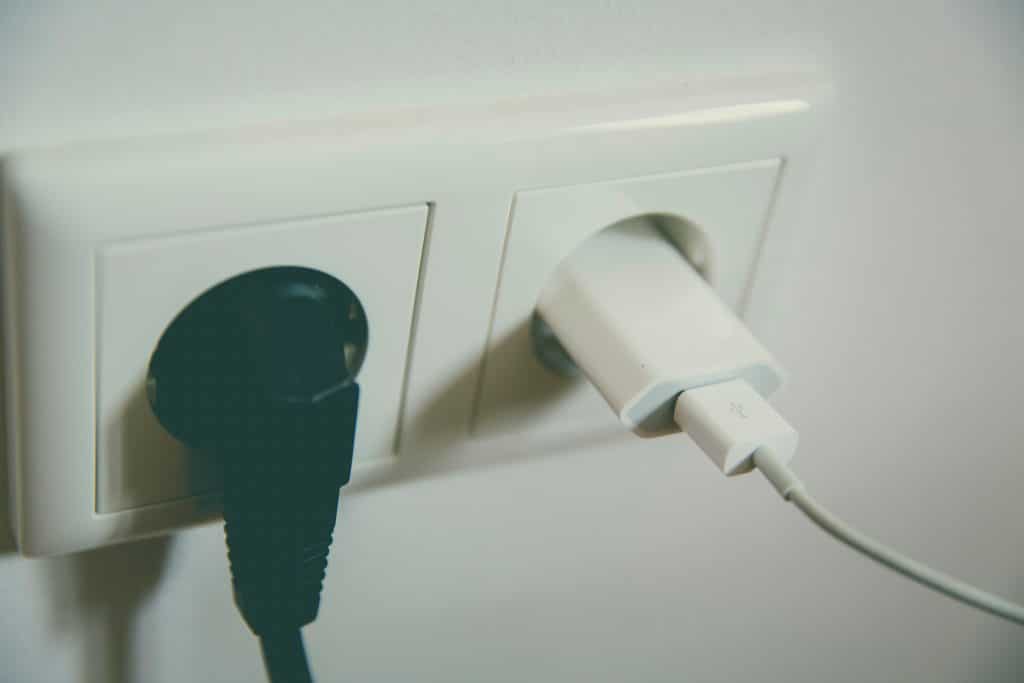
- Use outlet covers and safety plugs to block unused outlets.
- Keep cords out of reach and use cord management tools.
- Teach your kids about electrical safety early on.
How do I childproof my plugs and outlets? To childproof your plugs and outlets, install tamper-resistant outlets, cover unused outlets with safety plugs, and keep cords tucked away. These measures help prevent electrical accidents and keep curious hands safe.
Table of Contents
1. Install Tamper-Resistant Outlets
Tamper-resistant outlets are a great first step in protecting your kids. These outlets are designed with built-in shutters that block foreign objects from being inserted. If your child tries to stick something into the outlet, the shutters stay closed.
Installing these outlets is a straightforward process, but if you’re not comfortable handling electrical work, call in a professional. It’s worth the peace of mind knowing your home is secure. Make it a priority, especially in rooms where your kids play or sleep. This way, you’re not just relying on outlet covers that could easily be removed by curious hands.
2. Use Outlet Covers and Safety Plugs
Outlet covers and safety plugs are essential tools for keeping unused outlets safe. You can find these covers at most hardware stores. Choose ones that are difficult for kids to remove but easy for adults to use. Sliding outlet covers automatically close when the plug is removed, making them a fantastic option.
On the other hand, basic plastic safety plugs are simple to use but effective in blocking little fingers. These plugs fit snugly into the outlet and are hard for young kids to pull out. Remember, consistency is key; cover every accessible outlet, not just the ones your kids are most likely to touch.
Read more: How to Call 911 | Parent Guide
3. Keep Cords Out of Reach
Cords can be just as dangerous as outlets. Kids are naturally curious, and dangling cords can become tempting toys. Use cord management tools like clips, organizers, or even cord concealers that keep them out of sight and out of reach. Secure any loose cords behind furniture or along the wall.
If you can, opt for cordless appliances, especially in high-traffic areas where your kids play. And remember to regularly check for frayed or damaged cords—these are not just trip hazards; they can also cause serious electrical shocks.
4. Secure Power Strips and Extension Cords
Power strips and extension cords are often necessary, but they can pose risks when used improperly. Always keep them hidden or tucked away, especially in areas where your kids play. Mount power strips on walls or behind furniture using adhesive strips or brackets. This keeps them out of sight and prevents accidental unplugging or shocks.
Invest in power strip covers that enclose the entire strip, making it harder for little hands to tamper with. If you must use extension cords, avoid running them under rugs, as this can cause overheating. Remember, safety always comes first when it comes to electrical devices around kids.
Teach your kids how to walk up and down stairs safely!
5. Educate Your Kids About Electrical Safety
While physical barriers are essential, teaching your kids about electrical safety is equally important. Even young kids can grasp the basics when you explain things in simple terms. Show them that outlets are not toys and that cords should not be pulled or chewed on. Use age-appropriate language and reinforce these rules regularly.
For neurodivergent kids, visual aids like picture charts can be especially helpful. Use stickers, drawings, or simple diagrams to explain what’s safe and what’s not. Turn it into a game or use storytelling to keep them engaged. For example, tell them the outlet is “sleeping,” and we don’t want to wake it up by touching it!
6. Create a Safe Play Zone
Designate a play area that is free of outlets and electrical devices whenever possible. This might be a corner of the living room or a spot in their bedroom that you’ve taken extra steps to childproof. Use furniture to block access to outlets and create a barrier that keeps your kids in a safe zone.
Encourage safe play by adding toys and activities that keep them occupied. This helps reduce the temptation to explore dangerous areas. Regularly check the space for new hazards, as kids grow and their reach extends, the setup may need adjustments.
7. Routinely Inspect Your Home’s Electrical Safety
Inspect your home regularly for electrical hazards. Look for exposed wires, broken outlets, and any other risks. Make this part of your routine, just like checking for sharp edges or loose items. Keep an eye out for outlets that feel warm to the touch, as this could indicate an electrical issue that needs immediate attention.
It’s also a good idea to schedule a professional electrical inspection every few years, especially if your home is older. Electricians can identify and fix potential hazards that you might miss. Keeping your home up to code is a critical part of ensuring a safe environment for your kids.

Read more: How to Use a Kettle Safely
8. Use Furniture to Block Outlet Access
Another simple way to keep kids away from outlets is by rearranging your furniture. Place heavy furniture like bookshelves or dressers in front of outlets that are rarely used. Not only does this block access, but it also adds an extra layer of safety.
However, be mindful of the stability of your furniture. Make sure everything is secured to the wall, especially if you have climbers at home. A secure setup prevents accidents and keeps your kids out of harm’s way.
9. Install GFCI Outlets in Wet Areas
GFCI (Ground Fault Circuit Interrupter) outlets are essential in areas where water is present, like bathrooms and kitchens. These outlets automatically shut off power when they detect a ground fault, reducing the risk of electric shock. It’s a simple upgrade that could save lives.
Consider installing GFCI outlets in any room where water and electricity are close together. This is especially crucial if your kids are often in the kitchen helping you cook or in the bathroom during bath time. Always prioritize safety, especially in high-risk areas.
10. Set Up Emergency Protocols
Lastly, establish what to do in case of an electrical emergency. Teach your kids to recognize the signs of an electrical issue, like sparks or smoke, and practice what they should do if something happens. Create a clear plan for unplugging devices and calling for help if needed.
Keeping a fire extinguisher and knowing how to use it can also be a crucial part of your emergency plan. Make sure all caregivers are aware of the safety measures you’ve put in place and know how to respond in an emergency.
Goally | 100+ Streaming Video Classes
Does your child need some extra guidance on building essential life skills? Goally’s skill building tablet for kids includes a TV app that has the most robust video library of skills training videos for kids. Ranging from content like “How to Brush Your Teeth” to “How to Make Friends at School,” we have dozens of interactive video lessons for kids with thinking and learning differences.

HERE’s a video explaining how to works.
Overall, plug and outlet safety isn’t just about making quick fixes; it’s about building habits that keep your family safe. By following these steps, you’ll create a safer environment for your kids to grow, play, and learn without the hidden dangers of electrical outlets and plugs.
Resources:
- Electrical Safety Foundation International
- U.S. Consumer Product Safety Commission
- National Fire Protection Association
FAQs about Plug and Outlet
What are visual schedules?
Visual schedules are tools that use images to help kids understand daily routines.

How do emotional regulation apps help kids?
Emotional regulation apps teach kids strategies to manage their emotions in real-time.

What is the purpose of reward systems for kids?
Reward systems motivate kids by reinforcing positive behaviors with incentives.

Why are learning tools important for neurodivergent kids?
Learning tools provide structure and support that cater to individual needs and learning styles.

How can parents implement visual schedules at home?
Parents can create visual schedules using printed images, apps, or sticky notes to outline daily activities.
This post was originally published on 09/22/2023. It was updated on 08/30/2024.

Hennah is an experienced writer and researcher, helping children with autism, ADHD, and other neurodivergent conditions. As a blog contributor for Goally, she combines her deep understanding of neurodiversity with practical advice, offering valuable insights to parents and educators.