As a licensed practitioner who works closely with children, I’ve seen firsthand how some kids seem to have a special ability to tune into the emotions of those around them. These children, often referred to as empaths, possess a unique sensitivity that allows them to deeply understand and feel the experiences of others. If you’ve ever wondered, “Is my child an empath?” then you’re in the right place. In this article, we’ll explore the signs of an empath child and provide an empath test to help you determine if your little one falls into this category.
Table of Contents
What is an Empath?
Before we dive into the characteristics of an empath child, let’s first define what an empath is. An empath is someone who has a heightened ability to sense and absorb the emotions and energy of those around them. They are highly attuned to the feelings of others and often experience them as if they were their own. This deep level of empathy can be both a gift and a challenge, as empaths may struggle to distinguish between their own emotions and those they pick up from their environment.
It’s important to remember that being an empath is not a disorder or a diagnosis. Rather, it’s a unique trait that some individuals naturally possess. While the exact prevalence of empaths is unknown, it’s estimated that around 1-2% of the population may have this heightened sensitivity (Orloff, 2017).

Read more: Do Autistic People Have Empathy?
Signs Your Child Might Be an Empath
So, how can you tell if your child is an empath? Here are some common signs to look out for:
- Heightened sensitivity: Empath children are often highly sensitive to their surroundings. They may be easily overwhelmed by loud noises, bright lights, or strong smells.
- Deep emotional understanding: Does your child seem to intuitively know how others are feeling, even without being told? Empath kids have a knack for picking up on subtle emotional cues.
- Compassion and caring: Empaths are often deeply compassionate and concerned about the well-being of others. Your child may go out of their way to comfort a friend who is upset or help someone in need.
- Difficulty with boundaries: Because empaths absorb the emotions of those around them, they may struggle to set healthy boundaries. Your child might take on the problems of others as if they were their own.
- Need for alone time: To recharge and process their emotions, empath children often require periods of solitude. If your child frequently seeks out quiet spaces to be alone, it could be a sign of their empathic nature.
It’s worth noting that many of these traits can also be present in highly sensitive children or those with neurodevelopmental differences. However, if you consistently observe a combination of these signs in your child, it’s possible they may be an empath.
Supporting Your Empath Child
Raising an empath child comes with its own set of joys and challenges. Here are some tips for supporting your empathic little one:
- Validate their feelings: Let your child know that their emotions are valid and important. Help them put words to what they’re experiencing and provide a safe space for them to express themselves.
- Teach emotional regulation: Empath children can easily become overwhelmed by their emotions. Teach them strategies like deep breathing, mindfulness, or journaling to help manage their feelings.
- Encourage healthy boundaries: Help your child learn to set boundaries and distinguish between their own emotions and those of others. Role-play scenarios where they practice saying “no” or removing themselves from emotionally charged situations.
- Provide plenty of downtime: Empath kids need time to recharge their emotional batteries. Make sure your child has ample opportunities for quiet, solo play, and relaxation.
- Foster their strengths: While being an empath can be challenging, it’s also a beautiful gift. Encourage your child to use their empathy to make a positive difference in the world, whether through volunteering, creating art, or simply being a kind friend.

Read more: Lack of Empathy in Children With Special Needs
The Empath Child Test
If you’re curious to assess whether your child might be an empath, try this simple empath test. Answer each question based on your observations of your child’s behavior and experiences.
Keep in mind that this quiz is not a definitive diagnosis. Every child is unique, and empathic traits can present differently in each individual.
Tired of Emotional Meltdowns?
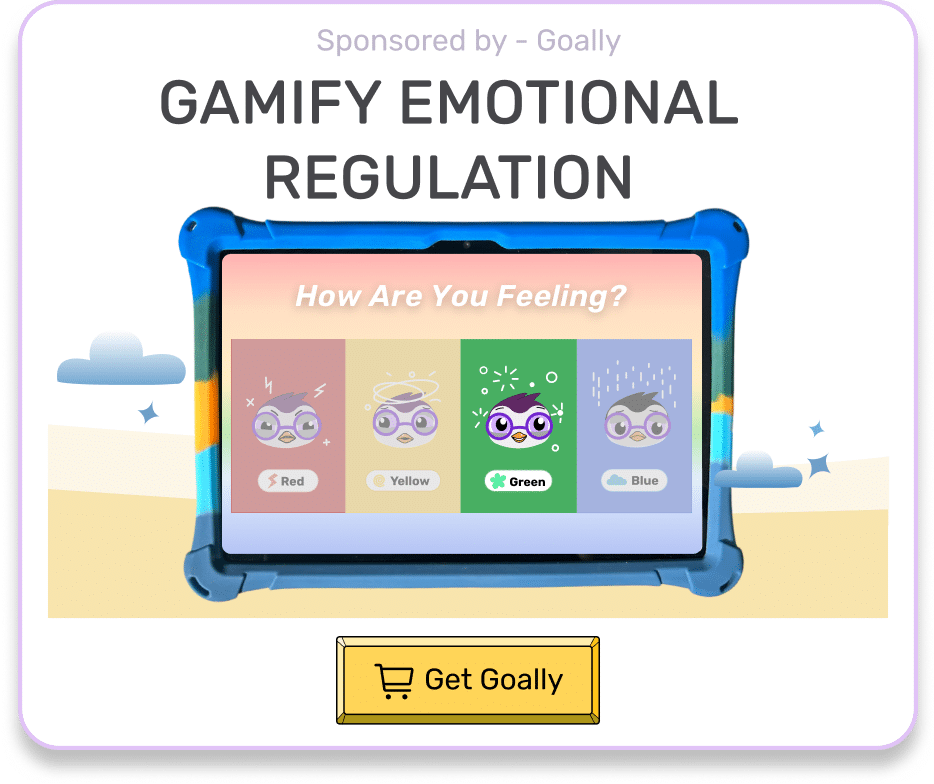
Goally’s Mood Tuner app has activities for kids with BIG emotions. Teach kids how to tune their mood with Goally. See fewer meltdowns.
The Mood Tuner app encourages kids to look inwards and identify their feelings, helping them understand what’s going on inside. Once they’ve recognized their emotions, they can choose from a 20+ activities designed to help them self-regulate and find their balance.
To Sum Up
If you’ve discovered that your child is an empath, know that you’re not alone. Parenting an empath can be a unique journey, but it’s also an incredibly rewarding one. By nurturing your child’s empathic abilities and providing them with the tools to thrive, you’re helping them develop into compassionate, understanding individuals who have the power to make a real difference in the world.
Empathy is a gift that we could all use a little more of. So celebrate your empath child, and remember that their sensitivity is not a weakness, but a strength. With your love and guidance, they’ll learn to navigate their emotions and use their empathy to spread kindness wherever they go.
Resources:
- Is Your Child an Empath? – Dr. Judith Orloff provides an in-depth look at the signs and characteristics of empath children.
- Highly Sensitive Child Test – This online test can help determine if your child is highly sensitive, a trait often associated with empaths.
- The Science Behind Empathy and Empaths – Psychology Today explores the research and science behind empathy and what it means to be an empath.
FAQs about Empath Test
1. What is an empath test?
An empath test is a questionnaire designed to determine if someone, often a child, possesses empathic traits. It evaluates their sensitivity to the emotions and energy of others.

2. How accurate are empath tests?
Empath tests can provide insight into a person's empathic tendencies, but they are not definitive diagnostic tools. Individual results may vary, and professional assessment is recommended for a more comprehensive understanding.

3. At what age can a child take an empath test?
Empath tests can be administered to children as young as 4 or 5 years old. However, it's important to consider the child's developmental stage and ability to articulate their experiences.

4. What do I do if my child's empath test indicates they are highly empathic?
If your child scores highly on an empath test, focus on creating a supportive environment that nurtures their emotional well-being. This may involve teaching emotional regulation skills, setting healthy boundaries, and providing ample downtime for processing their experiences.

5. Can adults take the empath test?
Yes, empath tests are available for adults as well. These tests can provide valuable self-awareness and understanding of one's emotional landscape.

Hennah is an experienced writer and researcher, helping children with autism, ADHD, and other neurodivergent conditions. As a blog contributor for Goally, she combines her deep understanding of neurodiversity with practical advice, offering valuable insights to parents and educators.