

As a someone who works with kids, I understand the challenges parents face when trying to understand their child’s behavior. One of the common concerns I hear from parents is about Oppositional Defiant Disorder (ODD). If you’re a parent worried that your child’s defiant behavior might be more than just a phase, this blog post is for you. We’ll cover everything from understanding what ODD is, to the signs and symptoms, and how an ODD test can help identify if your child has this disorder. I’ll also provide actionable steps and resources to support you and your child.
Table of Contents
What is Oppositional Defiant Disorder (ODD)?
Oppositional Defiant Disorder (ODD) is a behavioral disorder in children characterized by a persistent pattern of angry, irritable mood, argumentative/defiant behavior, and vindictiveness. It’s normal for kids to be oppositional at times, especially when they are tired, hungry, stressed, or upset. However, kids with ODD show these behaviors more often and to a degree that interferes with their daily functioning.

Read more: What Does Oppositional Defiant Disorder Turn Into?
Signs and Symptoms of ODD
Recognizing the signs and symptoms of ODD can be challenging. Here are some common indicators:
- Frequent temper tantrums
- Excessive arguing with adults
- Active defiance and refusal to comply with requests and rules
- Deliberate attempts to annoy or upset people
- Blaming others for their mistakes or misbehavior
- Being easily annoyed by others
- Frequent anger and resentment
- Spiteful or vindictive behavior
Read more about ODD and Autism
ODD Test for Kids
An ODD test can be a helpful tool in identifying whether your child has Oppositional Defiant Disorder. The test typically involves questionnaires and interviews with parents, teachers, and sometimes the child. The goal is to gather comprehensive information about the child’s behavior across different settings.
How to Prepare for an ODD Test
Preparing for an ODD test involves several steps:
- Document Behaviors: Keep a diary of your child’s behaviors that concern you. Note the frequency, intensity, and situations in which these behaviors occur.
- Consult Professionals: Speak with your child’s teachers, pediatricians, or other caregivers to gather their observations and insights.
- Research: Familiarize yourself with ODD and its symptoms so you can ask informed questions during the evaluation.
- Prepare Your Child: Explain the purpose of the test to your child in a way they can understand, ensuring they know it’s to help them, not to punish them.

Read more: ODD Behavior Chart for Kids
Managing ODD: Strategies and Tips
Managing ODD requires a consistent and structured approach. Here are some strategies that can help:
| Strategy | Description |
|---|---|
| Positive Reinforcement | Reward your child for positive behavior. This can be through praise, extra playtime, or a small treat. |
| Consistent Discipline | Establish clear rules and consequences. Consistency is key to helping your child understand the boundaries. |
| Time-Outs | Use time-outs to give your child a chance to calm down and reflect on their behavior. |
| Modeling Behavior | Demonstrate the behavior you want to see in your child. Kids learn a lot from observing their parents. |
| Professional Support | Work with a therapist or counselor who specializes in child behavior disorders. |
What are the consequences for an ODD child?
Seeking Professional Help
If you suspect your child has ODD, seeking professional help is crucial. A mental health professional can provide a proper diagnosis and create a tailored treatment plan. This might include therapy, parent training programs, and, in some cases, medication.
Supporting Your Child at Home
Supporting a child with ODD at home involves creating a positive and structured environment. Here are some tips:
- Establish Routines: Consistent routines can provide a sense of stability and predictability for your child.
- Stay Calm: It’s important to remain calm during outbursts. Reacting with anger can escalate the situation.
- Communicate Clearly: Use clear and concise language when giving instructions or setting expectations.
- Encourage Healthy Outlets: Encourage your child to engage in activities they enjoy and that help them release energy in a positive way.
Goally | Apps That Build Behavior & Life Skills for Kids
Want to keep your child motivated while building essential behavior and life skills? Goally’s skill-building tablet is designed to celebrate small wins and help your child grow. Our Behavior Tracker helps you reward your kid for specific skills, like “being kind” or “flushing the toilet.”
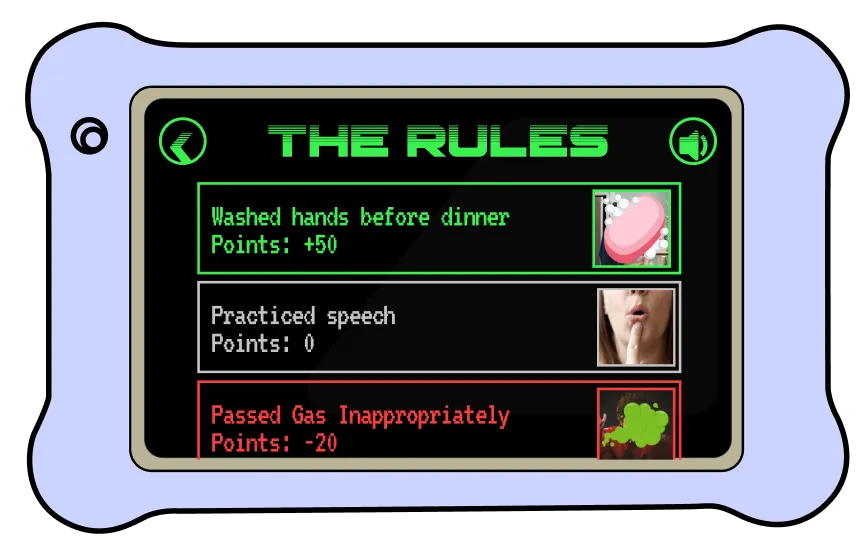
By setting clear expectations and rewarding their efforts, you foster a positive environment for your child to flourish in their behavioral skills journey.
Understanding and managing Oppositional Defiant Disorder can be challenging, but with the right tools and support, you can help your child thrive. Remember to stay patient, consistent, and seek professional help when needed. By working together, you can create a positive environment that supports your child’s growth and development.
Resources:
FAQs about ODD Test
What is an ODD test?
An ODD test involves questionnaires and interviews to evaluate a child's behavior across different settings. It helps identify Oppositional Defiant Disorder.

How is an ODD test conducted?
The test includes interviews with parents, teachers, and sometimes the child, focusing on behavior patterns and their impact on daily life.

Who should consider an ODD test for their child?
Parents who notice persistent defiant, argumentative, and vindictive behavior in their child should consider an ODD test to seek professional guidance.

What age group is the ODD test for?
The ODD test is typically for children between the ages of 2 and 10, as these are the crucial years for identifying and managing behavioral issues.

Can an ODD test lead to effective treatment?
Yes, the results of an ODD test can guide professionals in creating a tailored treatment plan, including therapy and behavioral interventions, to support the child and family.

Hennah is an experienced writer and researcher, helping children with autism, ADHD, and other neurodivergent conditions. As a blog contributor for Goally, she combines her deep understanding of neurodiversity with practical advice, offering valuable insights to parents and educators.




