Eye contact is often called the window to the soul, but for many autistic individuals, it can feel more like a locked door. As a professional working with neurodivergent kids, I’ve seen why autistic people struggle with eye contact. It’s not just about avoiding gazes – it’s a complex interplay of sensory processing, social cues, and cognitive differences. In this post, we’ll explore the reasons behind this challenge and discuss strategies to help autistic kids navigate social interactions more comfortably.
Table of Contents
The Sensory Overload of Eye Contact
For many autistic people, eye contact can trigger sensory overload. The intensity of direct eye gaze can be overwhelming, almost like staring directly into a bright light. This sensory sensitivity is rooted in how the autistic brain processes visual information.
Here’s a breakdown of why eye contact can be so challenging from a sensory perspective:
- Heightened visual processing: Autistic individuals often have enhanced visual acuity, making eye contact feel too intense or “loud”
- Difficulty filtering stimuli: The eyes convey a wealth of information, which can be hard for autistic brains to filter and process
- Sensory integration issues: Combining visual input from eye contact with other sensory information (like facial expressions or tone of voice) can be overwhelming

Read more: ADHD Eye Contact in Kids
Social Cognitive Differences and Eye Contact
Beyond sensory challenges, autistic people often process social information differently. This can make the unspoken rules of eye contact confusing or difficult to navigate.
Here’s how social cognitive differences impact eye contact:
| Aspect | Neurotypical Experience | Autistic Experience |
|---|---|---|
| Reading facial cues | Intuitive understanding of expressions | May need to consciously analyze facial features |
| Social reciprocity | Natural back-and-forth in gaze | Difficulty knowing when to look and look away |
| Theory of mind | Easily infer others’ thoughts/feelings | May struggle to interpret mental states from eyes |
The Cognitive Load of Maintaining Eye Contact
For many autistic individuals, maintaining eye contact requires significant mental effort. This cognitive load can interfere with other aspects of communication and social interaction. Here’s why eye contact can be mentally taxing for autistic people:
- Divided attention: Focusing on eye contact may make it harder to process speech or formulate responses
- Masking behaviors: Some autistic individuals may force eye contact to fit in, which is exhausting over time
- Anxiety and stress: The pressure to make “appropriate” eye contact can increase social anxiety
Cultural and Individual Variations in Eye Contact
It’s important to remember that eye contact norms vary widely across cultures and individuals. What’s considered “appropriate” eye contact in one context may be seen as rude or invasive in another. For autistic individuals, these unwritten social rules can be particularly challenging to navigate.
Consider these cultural differences in eye contact:
| Culture | Eye Contact Norm |
|---|---|
| Western cultures | Direct eye contact is often expected and valued |
| Many East Asian cultures | Prolonged eye contact may be seen as disrespectful |
| Some Indigenous cultures | Avoiding eye contact can be a sign of respect |
Strategies to Support Autistic Individuals with Eye Contact
As parents and caregivers, there are several ways we can support autistic kids in navigating the challenges of eye contact. The goal isn’t to force eye contact, but to help them feel more comfortable in social situations.
Try these strategies to support autistic individuals with eye contact:
- Teach alternative focusing points: Encourage looking at the bridge of the nose or forehead instead of direct eye contact
- Practice in low-stress environments: Use games or roleplay to build comfort with face-to-face interactions
- Explain social expectations: Help autistic kids understand when eye contact is expected and why
- Advocate for accommodation: Educate others about why some autistic individuals may avoid eye contact
- Use visual supports: Provide visual cues or schedules to reduce anxiety in social situations

Read more: Avoiding Eye Contact: Helping Neurodiverse Kids Connect Better
Building a More Inclusive Understanding of Communication
As we work to support autistic individuals with eye contact challenges, it’s essential to broaden our understanding of effective communication. Eye contact is just one aspect of human interaction, and its importance can be overemphasized in some cultures.
Here are ways we can foster more inclusive communication:
- Recognize diverse communication styles: Appreciate that there are many ways to show attention and engagement
- Focus on content over form: Prioritize the message being conveyed rather than how it’s delivered
- Create sensory-friendly environments: Design spaces that reduce sensory overload for all individuals
- Promote self-advocacy: Encourage autistic individuals to express their communication preferences
- Educate others: Raise awareness about neurodiversity and the spectrum of social interaction styles

Goally | Best Videos to Teach Life Skills
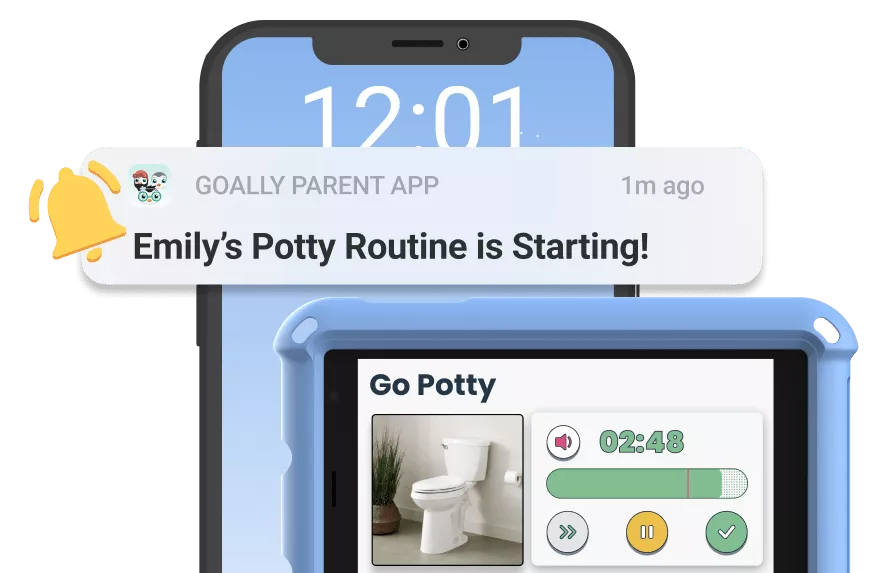
Give your kid an independent future. Goally has 100+ video classes teaching life skills like “How to Choose a Restaurant,” “How to Interrupt Politely,” and “How to Get Ready for School.”
Goally takes kids on an adventure that includes interactive practice and checkpoints along the way! No web browsers, YouTube, or social media.
Understanding why autistic people find eye contact difficult is the first step towards an inclusive world. By recognizing the reasons and offering support, we can help autistic kids handle social situations better. The aim is not to change them but to provide tools to interact comfortably in a world favoring neurotypical communication. With patience and understanding, we can create more inclusive communities for all.
Resources:
FAQs about Why Autistic People Struggle With Eye Contact
Why do autistic people avoid eye contact?
Autistic individuals often find eye contact overwhelming due to sensory overload and social anxiety. It can be a challenging sensory experience that causes discomfort.

Is avoiding eye contact a sign of autism?
While avoiding eye contact is common in autistic individuals, it is not a definitive sign. Other factors like shyness or social anxiety can also cause this behavior.

Can autistic people learn to make eye contact?
Yes, with patience and gradual exposure, some autistic individuals can become more comfortable with eye contact. It’s important to respect their comfort levels and avoid forcing it.

Does avoiding eye contact mean an autistic person is not listening?
No, avoiding eye contact does not mean they are not listening. Many autistic individuals can focus better on conversations without the pressure of making eye contact.

How can I help my autistic child with eye contact?
Support your child by respecting their comfort zone and using alternative communication methods. Gradual, low-pressure exposure to eye contact can also be beneficial.

Hennah is an experienced writer and researcher, helping children with autism, ADHD, and other neurodivergent conditions. As a blog contributor for Goally, she combines her deep understanding of neurodiversity with practical advice, offering valuable insights to parents and educators.