

Never before has your child’s riotous description of Mondays as purple or the taste of chocolate as a round symphony made sense – until now. As parents, our tasks encompass both the challenging and the gratifying, sometimes leaving us scratching our heads in confusion or nodding in agreement. If your child experiences the world in a mingling of senses that seems extraordinary, they might be experiencing synesthesia. And fret not, we’ve got a handy synesthesia test towards the end!
Table of Contents
What is Synesthesia?
First things first: Synesthesia. This isn’t a disorder, but a rather unique perceptual condition that melds the senses, potentially changing the way that kids interact with their world and process information. It’s like having an internal kaleidoscope! Furthermore, researchers suggest it might even boost creative problem-solving and memory recall abilities. Is your curiosity piqued yet? 1 in 2000 people experience some form of synesthesia and is more common in children and women.
Read more: What are the Different Types of Neurodiversity?
Why Synesthesia Occurs
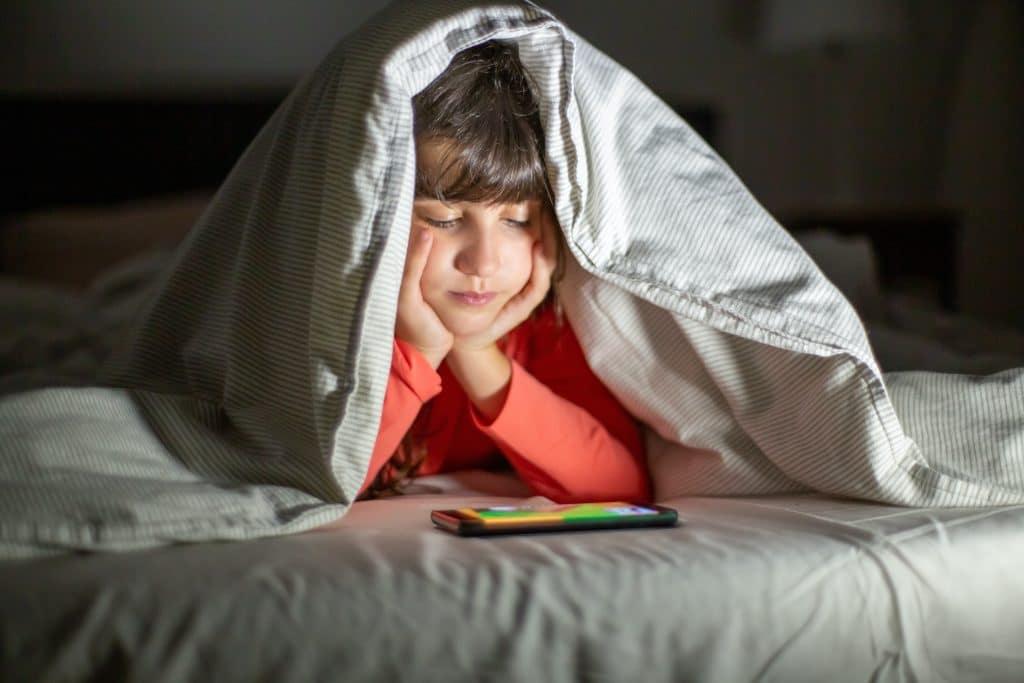
The human brain, above all, loves to link and connect. In synesthesia, these links create vivid sensory experiences. Some studies suggest that nearly all children may be born with synesthesia, but most lose these unusual connections as they grow and their brains develop.
Read more: At What Age is a Child’s Brain Fully Developed?
Goally’s Synesthesia Test
Sort through the confusion of sensory overload with the Goally synesthesia test. It’s designed to help parents better understand their child’s unique perceptual experiences. Review the questions and see which experiences your child most closely aligns with. Remember, there’s no ‘normal’ perception, and this quiz is not a diagnostic tool. It merely helps identify whether your child is likely experiencing synesthesia.
Identifying and Understanding Synesthesia Variations
Understanding synesthesia for what it is holds the key to nurturing a safe environment for neurodivergent kids. We’ll outline the most common types:
- Grapheme-color: That is to say, letters or numbers are perceived as inherently colored.
- Chromesthesia: Sounds, music, or voices trigger the perception of colors.
- Lexical-gustatory: Certain words invoke tastes.
Recognizing Synesthesia in Kids
Perceptive parents might pick up on their child’s synesthetic traits early. Interestingly, many synesthetic kids believe that their experiences are universal. So, they might be surprised to learn that not everyone associates a sharp note on the piano with a bright splash of yellow! Here are signs you might notice:
- Kids insisting that certain words or numbers are inherently a particular color.
- Having strong emotional reactions to particular senses, beyond the normative range.
- Unusual sensory descriptions in speech or writing (for example, saying Thursday is ‘pointy’).
Supporting Synesthetic Kids
Far from being a problem, having synesthesia can imbue your child’s world with an added layer of magic and wonder. One of the best ways to support synesthetic kids is to respect and embrace these experiences, providing a platform for them to express and explore their unique sensory world.
Goally | Apps To Support Child Development
Looking for fun ways to help your child learn life skills? Try Goally! The Goally tablet comes with award-winning learning apps and video classes to help kids develop the skills they need to become independent with FUN & evidence-based practices.
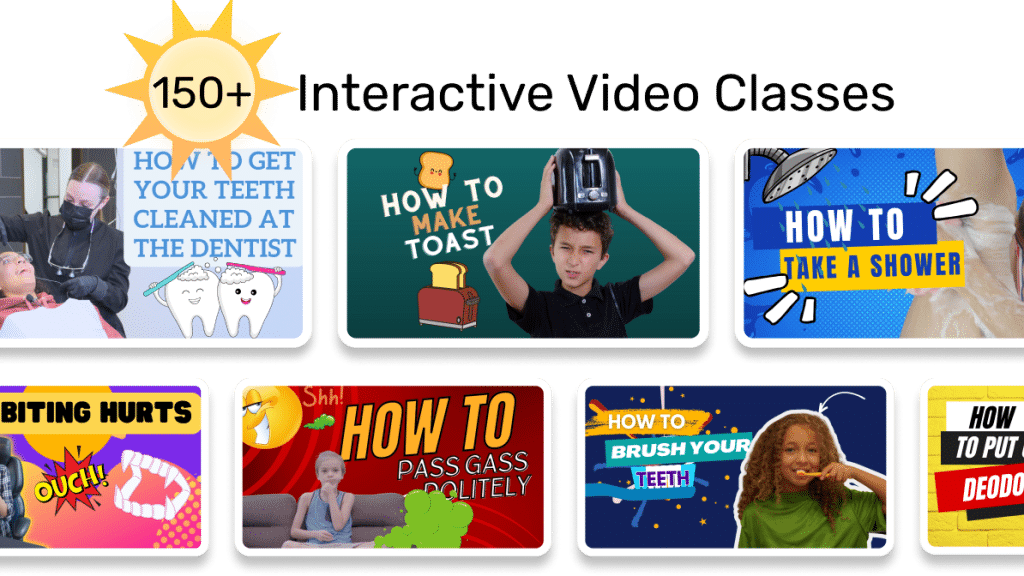
Our apps teach executive function, language, emotional regulation, finger dexterity skills, and more.
As your child develops new skills, you can increase the difficulty level of the tasks in the app to challenge and motivate them even further. This helps your child grow and progress at their own pace, while also keeping them engaged and excited about their development.
Like distinct notes that create a beautiful melody, people, certainly kids, perceive the world differently. Recognizing that your child has synesthesia can create a richer, more vibrant understanding of their world and assist in nurturing their cognitive skills. If your child has synesthesia, adopting tools such as an interactive skill-building tablet from Goally might help them navigate their unique world. Above all, it’s important to remember that in the parenting journey, understanding our kids’ kaleidoscopic perspectives is a colorful corner we must be willing to turn.

Hennah is an experienced writer and researcher, helping children with autism, ADHD, and other neurodivergent conditions. As a blog contributor for Goally, she combines her deep understanding of neurodiversity with practical advice, offering valuable insights to parents and educators.




