Adolescence! It is a phase filled with both fond memories and daunting challenges. You, as a parent, may find yourself between feelings of amusement and anxiety trying to decipher your teenager’s behavior. Fear not; your quest ends here. To guide you on your journey toward understanding your kid’s behavior and helping them navigate these crucial years, we offer you a fantastic tool, a behavior contract for teenager PDF, available for download later in this blog. This blog will serve as a roadmap, shedding light on the nuances of adolescent behavior and the proven strategies for managing it.
Table of Contents
Understanding Teenage Behavior: The Basics
Firstly, the adolescent journey is characterized by emotional upheavals and exploration. It’s where young minds question norms, explore their identity, and strive for independence. However, these explorations can sometimes cross boundaries, leading to conflicts and misunderstandings.
Recognizing these changes and understanding the root causes can be half the battle won. Furthermore, remember that no two teenagers are alike; each one has unique behavioral patterns and responds differently to situations.

Decoding Teenage Rebellion
Rebellion, for instance, is synonymous with adolescents. You may perceive this as defiance or non-compliance. But, in other words, it’s often your teen trying to assert their individuality or seeking a sense of control. The key to handling such situations is to set clear guidelines without suppressing their autonomy.
Our behavior contract for teenager PDF can play an instrumental role here, providing a structured approach to set boundaries, reward compliance, and initiate meaningful conversations. Most importantly, consistency is vital.
Read more: Why Are Teenagers More Susceptible to Changing Emotions?The Power of Behavior Contracts
In this whirlwind of teenage emotional flux, behavior contracts can be a guiding lighthouse. To clarify, a behavior contract is a written agreement outlining specific conduct that is expected and the consequences if this conduct is not adhered to. It serves as a tangible reminder of expectations – a cornerstone of communication between parents and teenagers.
Creating Effective Behavior Contracts
1. Define and Discuss Expectations: Most importantly, behavior contracts need to transparently outline what’s expected of your teenager. Use simple, concrete terms defining good behavior. Remember that your teenager needs to understand the expectations fully.
2. Discuss Consequences: A behavior contract should also explain the consequences of falling short. This could range from forfeiting digital privileges to extra household chores.
3. Involve Your Teen: Have your teenager participate in the contract creation process. Inclusion in the process cultivates ownership of behavior, promoting responsibility.
4. Regular Reviews: Regularly reviewing the contract keeps it focused and allows adjustments over time as your teenager grows and their needs shift.

Encouraging Positive Behavior in Teens
Above all, among all the flurry of teen issues, fostering positive behavior in your kids is a hopeful possibility. To clarify, this doesn’t mean expecting teenagers to be perfect always, but rather guiding them to make better decisions and recognizing their efforts.
For example, you could let your teen take charge of selected tasks, offering them responsibility and a sense of achievement. In addition, encourage open discussions, active listening, and empathy. These simple steps can certainly go a long way in understanding and addressing behavioral issues in teenagers.
Meanwhile, monitoring their progress and providing constructive feedback is equally essential. After all, change is a gradual process, and every small step toward improvement counts.
Read more: Do Kids With ADHD Have Behavioral Problems?Behavior Contracts and Special Needs
For neurodivergent kids or kids with learning differences, behavior contracts can be particularly beneficial. Customized contracts enable them to understand expectations clearly, reducing anxiety associated with ambiguity.
Goally | Apps That Build Behavior & Life Skills for Kids
Want to keep your child motivated while building essential behavior and life skills? Goally’s skill-building tablet is designed to celebrate small wins and help your child grow. Our Behavior Tracker helps you reward your kid for specific skills, like “being kind” or “flushing the toilet.”
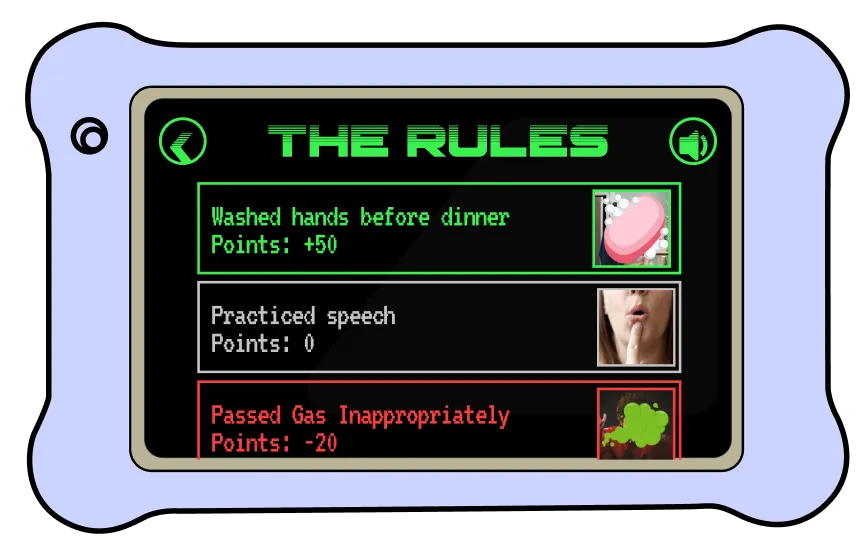
By setting clear expectations and rewarding their efforts, you foster a positive environment for your child to flourish in their behavioral skills journey.
To Sum Up
Understanding and managing teenage behavior can certainly be overwhelming, but remember you’re not alone. It’s a learning curve, both for you as a parent and your growing kid. The key takeaways? Patience, understanding, and consistency.
So, take heart and continue your amazing parenting journey with faith and tenacity. After all, as they say, “This too shall pass,” and your teenager will surely emerge stronger and more responsible. These challenging years could be the foundation of your kid’s future successes. Happy parenting!
FAQ about Behavior Contract for Teenager PDF
1. What is a behavior contract for teenagers?
- It's a written agreement outlining expected behaviors, rewards, and consequences to help manage a teenager's conduct.

2. How can I use a behavior contract with my teenager?
- You can use it as a part of positive reinforcement strategy to set clear expectations and keep your teenager accountable for their actions.

3. What should be included in a behavior contract for a teenager?
- The contract should include expected behaviors, possible rewards for good behavior, consequences for bad behavior, and agreed upon goals.

4. Is it beneficial to use a behavior contract for a teenager?
- Yes, behavior contracts can be an effective tool for improving communication, setting expectations, and fostering responsibility in teenagers.
Hennah is an experienced writer and researcher, helping children with autism, ADHD, and other neurodivergent conditions. As a blog contributor for Goally, she combines her deep understanding of neurodiversity with practical advice, offering valuable insights to parents and educators.