As a parent, your child’s speech and language development is essential for overall communication and learning. If you’re concerned that your child may have a speech or language delay, you’re not alone. Millions of children in the United States have speech or language disorders. The good news is that there are effective treatments available. So today, we are putting the spotlight on the best speech-language pathologists in Arlington who can offer practical help and guidance.
Top 5 Best Speech-Language Pathologists in Arlington
Before we proceed any further, here’s a handy-dandy list of the cream of the crop— the top five speech-language pathologists in the bustling city of Arlington, teeming with potential resources for neurodivergent kids. The details are here:
| Name of Location | Star Rating | Number of Reviews | Address | Hours of Operation | Description |
|---|---|---|---|---|---|
| Encompass Health Rehabilitation Hospital of Arlington | 3.4 | 48 | Speech pathologist ⋅ 3200 Matlock Rd | Open 24 hours | Operates as a full-time hospital offering comprehensive care round the clock. |
| Patricia Martinez Therapy Services | 4.9 | 36 | Speech pathologist ⋅ 817 W Park Row Dr | Closed ⋅ Opens 8 AM Mon | Renowned for Patricia’s personalized touch in therapy sessions. |
| Synaptic Pediatric Therapies | 4.9 | 32 | Speech pathologist ⋅ 4501 Matlock Rd #401 | Closed ⋅ Opens 9 AM Mon | Specializes in innovative techniques that stimulate brain function for speech development. |
| Language Lions Speech Therapy | 5.0 | 12 | Speech pathologist | Closed ⋅ Opens 8 AM Mon | Top-rated for their dedicated focus on linguistics-based therapy sessions. |
| Talking Tadpoles Pediatric Therapy | 4.7 | 17 | Speech pathologist ⋅ 1140 W Pioneer Pkwy suite a | Closed ⋅ Opens 8 AM Mon | Known for their playful approach, ensuring kids learn while having fun. |
After considering these options, how does one pick the perfect pathologist? Well, that’s precisely what we’ll dive into next.
Table of Contents
How Do I Choose a Speech Pathologist?
Choosing a speech-language pathologist is no less critical than deciding on a school for your child. So, how do you select? First and foremost, consider the therapist’s experience in dealing with your child’s specific needs. Look at their qualifications and certifications. You’d want the therapist to have the proper training to match. But that’s not all.
Think about the rapport and personal connection too. Your child should absolutely feel comfortable with the therapist. Why? Because this enhances their learning significantly. Reach out to the centers mentioned above. They are all approachable and ready to answer any questions you might have.
Read more: The BEST Speech Development Toys in 2023
Is There a Difference Between a Speech Therapist and a Speech Pathologist?
These two terms might be used interchangeably. Are they different? Technically, yes. But in everyday conversation, they are usually one and the same.
Speech pathologists have an extensive scope. They diagnose and treat communication disorders, whatever their origin may be. The disorders can range from articulation issues to voice problems and even difficulties with feeding and swallowing. Speech therapists, however, refer specifically to those who help children with speech delays – helping kids to form their words correctly. In this guide, when we say speech therapists, we refer to the whole nine yards – the pathologists.

Do SLPs Treat Language Differences?
Yes! Speech-Language Pathologists treat more than just speech delays. They’re equipped to handle various language differences, including expressive language issues, such as difficulty sharing thoughts, ideas, and feelings, and receptive language issues, including trouble understanding others.
Moreover, they can aid children with pragmatic/social language problems—which refers to struggles with understanding and complying with the ‘unspoken rules’ of language in different social scenarios. These versatile professionals are an excellent investment for your child’s communication and learning journey.
What Age is Best for Speech Therapy?
Do you remember the old saying, “the sooner, the better?” That applies here too. That said, it’s never too late to start therapy.
Many speech or language disorders are best treated early—preferably before a kid turns 3 since brain plasticity is higher during this period. But please, don’t fret if your child is older. Improvements can still be made at any age. What’s most vital here is to act once an issue is recognized.
Read more: Does My Child Need Speech Therapy?
How Goally Can Help
Goally is a valuable resource for clinicians who are looking for ways to support children with speech and language problems.
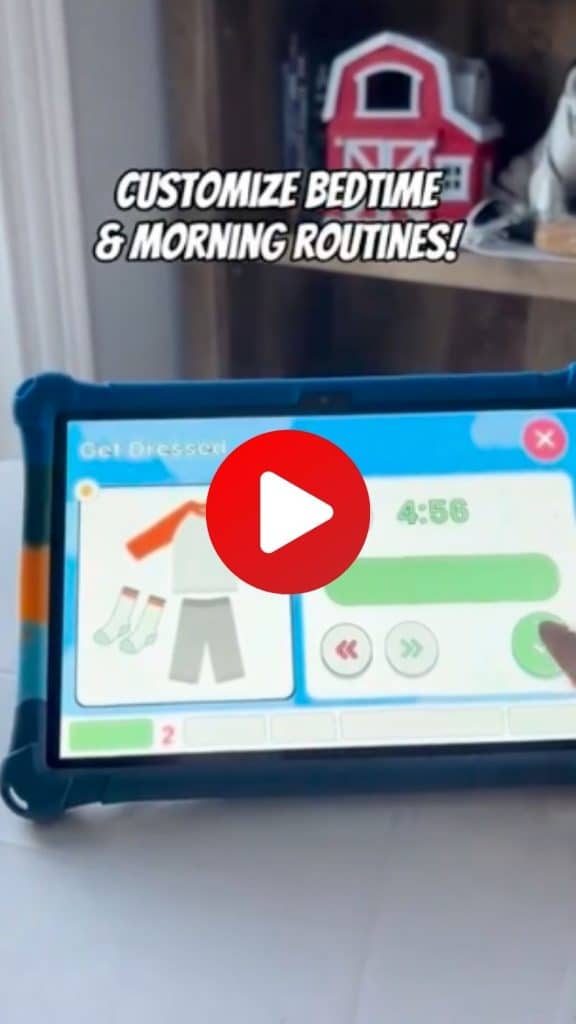
- Individualized Instruction. Goally can be easily customized to meet the specific needs of each child supporting the skills that they need most, at each child’s own pace.
- Increased Engagement. Goally is a fun and interactive tool that can help children stay engaged while learning.
- Improved Communication. Goally helps children learn to effectively communicate wants and needs, and allows children to participate in the world around them.
- Bonus: Goally’s Core Word Lessons teaches kids their first 50 words through video modeling and interactive practice.
Goally’s distraction-free kid’s tablet can be used as a therapy tool to help teach executive function, language, emotional regulation, finger dexterity skills, and more!
Locating a top-notch speech-language pathologist in Arlington shouldn’t be daunting. There are countless proficient SLPs ready and eager to positively impact your child’s speech and learning abilities. The key is to find the right fit for your kid—someone who understands their specific needs and can make the learning process enjoyable.

Hennah is an experienced writer and researcher, helping children with autism, ADHD, and other neurodivergent conditions. As a blog contributor for Goally, she combines her deep understanding of neurodiversity with practical advice, offering valuable insights to parents and educators.