Feeling emotionally connected is integral to one’s development, particularly in the formative years between 2 and 12. If your child exhibits signs of emotional difficulties, they could be dealing with Emotional Deprivation Disorder (EDD). However, it can be not easy to decipher these signs without a proper understanding of this condition. This is where our Goally test comes in, which you’ll find towards the end of this blog! We’ll delve into what EDD is and identify this behavior early on.
Table of Contents
What is Emotional Deprivation Disorder?
EDD is a condition that arises from a lack of consistent, nurturing emotional responses and attention from caregivers. This lack creates a void, often leaving kids yearning for that emotional stimulation and causing them to falter in expressing emotions. These children may struggle with processing emotions, leading to a lack of emotional intelligence.
- EDD differs from neglect or abuse; it can happen even in homes filled with love and care. However, it may be because the child’s emotional needs weren’t addressed effectively.
- In some instances, special needs children or neurodivergent kids might be more prone to EDD due to inherent issues in their emotional processing.
Symptoms of Emotional Deprivation Disorder
Your child might be dealing with EDD if they show signs such as:
- Difficulty in social situations
- Lack of understanding of emotions
- Trouble expressing their own emotions
- Heightened response to emotional stimuli
- Feeling of being disconnected or unfelt

Causes and Early Signs of EDD
Abuse and neglect are, certainly, major causes of EDD. However, modern life factors like work demands, high parental stress, and even lack of understanding about kids’ emotional needs could also contribute to EDD. For instance:
- Parents might scold their child more than praising them, focusing their energy on wrongdoings rather than accomplishments.
- Parents might refuse to discuss feelings, telling kids to ‘brush it off’, thereby stifling emotional expression.
- Parents might prioritize material comforts over emotional nourishment. Fancy toys can never replace quality time!
Early signs of EDD in kids can range from poor self-esteem to difficulty trusting others, social withdrawal, or even depressive tendencies. However, these signs can be overlooked or misunderstood, hence the need for an emotional deprivation disorder test.
Read more: Why Is My Kid Emotionally Withdrawn From Me?
Emotional Deprivation Disorder Test
Recognizing the signs is the first step to addressing EDD effectively. This is where Goally’s Emotional Deprivation Disorder test plays a pivotal role. Based on solid research, this competence-assessing tool helps you understand if your child might need professional help.
Protecting Your Kid from EDD
Prevention is, in other words, the best remedy. Therefore:
- Ensure your kids get plenty of emotional “refills” daily. Hugs, talks, shared activities – all these count!
- Guide your children to express emotions healthily. Label emotions, validate their feelings, and teach coping skills.
- Be watchful for signs of EDD. Early intervention can lead to far better outcomes.
Read more: Top 3 Emotion Games for Kids
Handling Emotional Deprivation Disorder
Providing an emotionally nurturing environment can significantly impact a child with EDD. Here are a few strategies:
- Creating open lines of communication
- Validating their emotions
- Giving them undivided attention during conversations
- Fostering an emotionally supportive environment
Goally | Kid’s Tablet for Building Emotional Regulation Skills
Is your child struggling with understanding and managing their emotions? Goally teaches emotional regulation skills in a fun and interactive way!
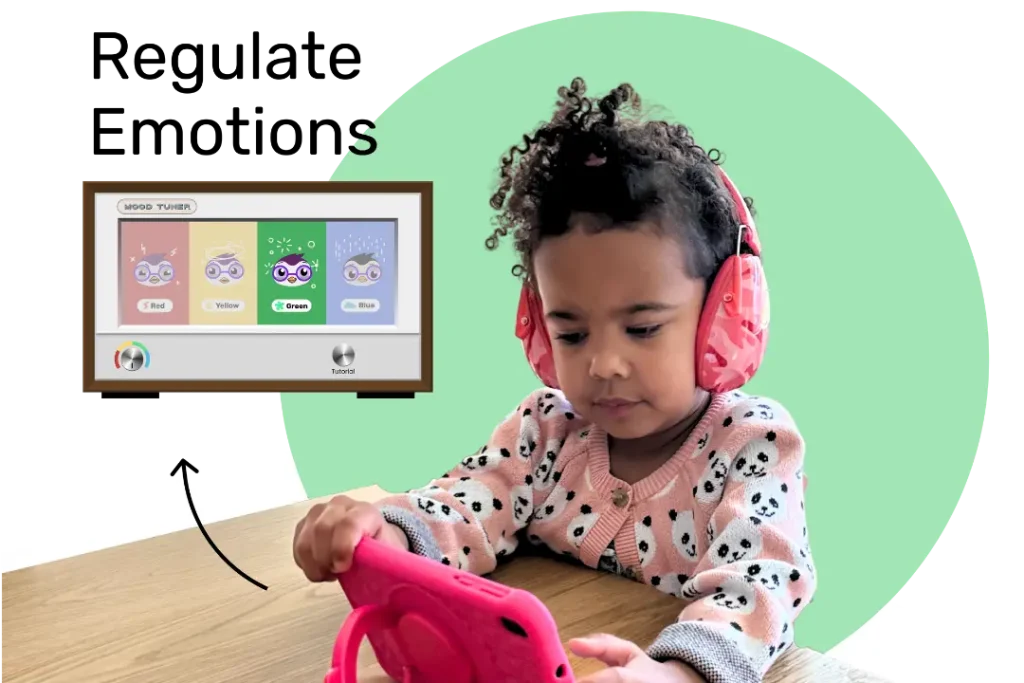
The Mood Tuner app encourages kids to look inwards and identify their feelings, helping them understand what’s going on inside. Once they’ve recognized their emotions, they can choose from a variety of exercises designed to help them self-regulate and find their balance.
To Sum Up
Understanding Emotional Deprivation Disorder and its implications can help us bridge the emotional gap in a child’s life. With our structured approach and emotional competence test, we can ensure that every child, regardless of their emotional struggles, receives the care, attention, and understanding they deserve. At the heart of these efforts is the Goally Skill Building Tablet – a tool designed specifically for kids with different needs. It stands as a beacon of hope, assisting you in providing your child the support they need during these crucial developmental years.

Hennah is an experienced writer and researcher, helping children with autism, ADHD, and other neurodivergent conditions. As a blog contributor for Goally, she combines her deep understanding of neurodiversity with practical advice, offering valuable insights to parents and educators.