It’s common for parents to face challenges with their 3-year-old’s behavior. Tantrums, defiance, and boundary-pushing are all part of growing up, but they can be incredibly frustrating for caregivers. As someone who works with kids regularly, I’ve learned that there’s no one-size-fits-all solution to managing these issues. However, I’m here to guide you through some proven strategies that can help you navigate these tricky waters. By the end of this guide, you’ll have a clear set of steps to manage your 3-year-old’s behavior problems, making daily life a bit smoother.
Table of Contents
1. Understand the Root Causes of 3 Year Old Behavior Problems
Before we dive into strategies, it’s crucial to understand why 3-year-olds often exhibit challenging behaviors. At this age, kids are experiencing a significant developmental leap. They’re becoming more aware of themselves as individuals, testing boundaries, and learning to assert their independence. However, their emotional regulation skills and language abilities are still limited, which can lead to frustration and outbursts.
Some common triggers for behavior problems in 3-year-olds include:
- Fatigue or hunger
- Overstimulation
- Changes in routine
- Feeling powerless or out of control
- Difficulty expressing needs or emotions
By recognizing these triggers, you can often prevent meltdowns before they start. For example, I once worked with a family whose 3-year-old had frequent tantrums at the grocery store. We discovered that these trips often happened right before dinner when the child was tired and hungry. Simply adjusting their shopping schedule made a world of difference.
2. Establish Clear and Consistent Boundaries
One of the most effective ways to manage 3-year-old behavior problems is to set clear, age-appropriate boundaries. Kids this age thrive on routine and predictability, even if they seem to resist it at times. When they know what to expect, they feel more secure and are less likely to act out.
Here are some tips for establishing effective boundaries:
- Keep rules simple and easy to understand
- Be consistent in enforcing rules across different situations
- Use positive language to frame rules (e.g., “We use gentle hands” instead of “No hitting”)
- Involve your child in creating some family rules to give them a sense of ownership
I’ve found that visual aids can be particularly helpful for 3-year-olds. Creating a simple chart with pictures representing daily routines or house rules can give kids a concrete reference point. One family I worked with created a “morning routine” chart with their daughter, featuring cartoon images of tasks like brushing teeth and getting dressed. It turned their previously chaotic mornings into a fun, predictable game.

Read more: Signs of Autism in 3 Year Old Quiz
3. Use Positive Reinforcement Techniques
Positive reinforcement is a powerful tool for shaping behavior in 3-year-olds. By focusing on and rewarding good behavior, you encourage your child to repeat those actions. This approach is far more effective than constantly correcting negative behaviors.
| Positive Reinforcement Strategy | Example | Benefit |
|---|---|---|
| Specific praise | “I love how you shared your toy with your sister!” | Reinforces desired behavior and builds self-esteem |
| Reward systems | Sticker chart for completing tasks | Provides visual motivation and sense of achievement |
| Quality time | Special one-on-one time for good behavior | Strengthens parent-child bond and encourages cooperation |
| Privileges | Choosing the bedtime story for using kind words | Links positive behavior with desirable outcomes |
Remember, the goal is to catch your child being good as often as possible. I once worked with a mom who was frustrated by her 3-year-old’s constant interruptions. We implemented a “quiet hands” system where the child would place her hand on her mom’s arm when she needed attention, instead of interrupting. Every time the child used this new skill, her mom would praise her enthusiastically. Within a week, interruptions had decreased dramatically, and the child beamed with pride at her new ability.
4. Implement Effective Time-Out Strategies
While positive reinforcement should be your go-to approach, there will be times when you need to address challenging behaviors more directly. Time-outs can be an effective tool for 3-year-olds when used correctly. The key is to make them brief, consistent, and focused on giving your child a chance to calm down and reset.
Here’s a step-by-step guide to implementing effective time-outs:
- Choose a quiet, boring spot for time-out
- Explain the reason for the time-out calmly and briefly
- Set a timer for 3 minutes (1 minute per year of age is a good rule of thumb)
- Ignore attention-seeking behaviors during the time-out
- When the timer ends, briefly review why the time-out happened
- Allow your child to return to their previous activity
I’ve found that many parents struggle with consistency when it comes to time-outs. It’s crucial to follow through every time the designated behavior occurs, even if it’s inconvenient. One family I worked with had trouble with their 3-year-old’s aggressive behavior at the playground. We role-played how to implement a time-out in this public setting, which gave the parents the confidence to follow through. With consistent application, the child’s hitting decreased significantly within a few weeks.
5. Teach Emotional Regulation Skills
Many behavior problems stem from a 3-year-old’s inability to manage big emotions. Teaching your child to recognize and express their feelings can significantly reduce tantrums and outbursts. This is a skill that will serve them well throughout their life.
Here are some strategies to help your 3-year-old develop emotional regulation:
- Name emotions: Help your child identify what they’re feeling (“It looks like you’re feeling frustrated”)
- Create a calm-down corner: Designate a cozy space with soothing items like stuffed animals or books
- Teach deep breathing: Practice “balloon breathing” where they inflate their belly like a balloon
- Use emotion charts: Create a visual chart with faces expressing different emotions
- Model emotional regulation: Show them how you manage your own feelings
I once worked with a little boy who had frequent meltdowns when it was time to leave the park. We created a “feelings thermometer” where he could point to how he was feeling as park time was ending. This simple tool gave him a way to express his emotions without a tantrum, and his parents could acknowledge his feelings while still enforcing the transition. Over time, leaving the park became much smoother.
6. Provide Choices and Encourage Independence
Three-year-olds are in a stage where they’re craving independence but still need lots of guidance. Offering choices within limits can satisfy their need for control while keeping things manageable for you. This approach can dramatically reduce power struggles and defiant behavior.
Some ways to incorporate choices and foster independence:
- Offer two acceptable options: “Do you want to wear the red shirt or the blue shirt?”
- Create opportunities for helping: Let them assist with simple chores
- Set up their environment for success: Use low shelves and hooks they can reach
- Encourage problem-solving: Ask “What do you think we should do?” when issues arise
I remember working with a family whose 3-year-old refused to get dressed in the morning. We implemented a choice system where the child could pick out their clothes the night before. This simple change transformed their morning routine from a battle into a point of pride for the child, who felt grown-up making their own decisions.

Read more: How to Give a Time Out: Dos & Don’ts
7. Maintain a Consistent Routine
Consistency is key when dealing with 3-year-old behavior problems. A predictable daily routine helps children feel secure and reduces anxiety, which can often manifest as challenging behaviors. When kids know what to expect, they’re more likely to cooperate.
Tips for creating and maintaining a consistent routine:
- Establish regular times for meals, naps, and bedtime
- Create visual schedules with pictures of daily activities
- Give warnings before transitions (e.g., “Five more minutes until clean-up time”)
- Keep weekends relatively similar to weekdays
- Prepare your child for any changes in routine ahead of time
One family I worked with struggled with bedtime battles every night. We created a simple bedtime routine chart with their 3-year-old, including steps like bath time, storytime, and goodnight hugs. The child got to place a sticker on each completed step. Within a week, bedtime went from a nightly ordeal to a peaceful, even enjoyable, process for the whole family.
Goally | Apps That Build Behavior & Life Skills for Kids
Want to keep your child motivated while building essential behavior and life skills? Goally’s skill-building tablet is designed to celebrate small wins and help your child grow. Our Behavior Tracker helps you reward your kid for specific skills, like “being kind” or “flushing the toilet.”
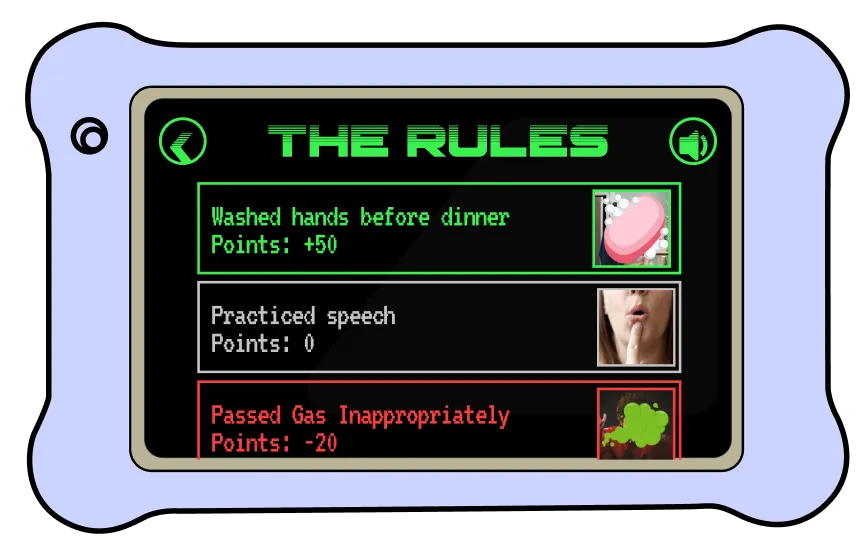
By setting clear expectations and rewarding their efforts, you foster a positive environment for your child to flourish in their behavioral skills journey.
Handling a 3-year-old’s behavior can be tough, but it’s a great chance to teach important skills. This phase won’t last forever. With patience and good strategies, you’ll get through it. Remember, your little one is trying to understand the world with few tools. Set clear boundaries, use positive reinforcement, and let them be independent to help them grow. Celebrate small wins for both of you – you’re doing great, and your efforts will pay off later.
Resources:
- Zero to Three
- CDC’s Child Development Resources
- National Association for the Education of Young Children
FAQs about 3 Year Old Behavior Problems
Why is my 3-year-old having so many tantrums?
Tantrums at this age are normal as children struggle to express emotions. They’re often a sign of frustration or a need for attention.

How can I discipline my 3-year-old without being too harsh?
Use positive reinforcement and set clear, consistent boundaries. This approach encourages good behavior while teaching your child self-control.

What should I do if my 3-year-old is constantly defiant?
Stay calm and consistent in enforcing rules. Defiance is often a way for kids to test limits, so clear expectations can reduce this behavior.

Is it normal for my 3-year-old to be aggressive?
Some aggression is normal as children learn to navigate social interactions. Teaching emotional regulation can help them express their feelings in healthier ways.

When should I be concerned about my 3-year-old’s behavior?
If behavior problems significantly disrupt family life or social interactions, it may be time to seek advice from a pediatrician or child psychologist.

Hennah is an experienced writer and researcher, helping children with autism, ADHD, and other neurodivergent conditions. As a blog contributor for Goally, she combines her deep understanding of neurodiversity with practical advice, offering valuable insights to parents and educators.