Ever noticed your child pulling away, not engaging with you or others as much as they used to? Emotional detachment in kids is something that can easily go unnoticed, but it’s important to recognize the signs early. Whether your child is neurodivergent or not, emotional detachment can impact their well-being and relationships. In this blog post, I’ll walk you through 15 signs of emotional detachment in children and offer insights into what each sign might mean. This will help you understand your child better and take the necessary steps to support them.
Table of Contents
1. Difficulty Expressing Emotions
One of the first signs I often notice is a child’s struggle to express their feelings. They might seem unusually calm during situations that typically evoke strong emotions in other kids. For example, they may not cry when hurt or show excitement during a birthday party.
This doesn’t mean they don’t feel emotions; rather, they have trouble identifying and articulating them. You might notice your child responding with “I don’t know” when asked how they feel about something, even in situations where most children would have a clear emotional response.

Read more: Teaching About Feelings | Parent Guide
2. Limited Eye Contact
Eye contact is a fundamental aspect of human connection, and its absence can be a telltale sign of emotional detachment. Children who are emotionally detached often avoid eye contact or maintain it for shorter periods than their peers.
This behavior isn’t just about shyness – it’s a way of creating emotional distance. You might notice your child looking away frequently during conversations or focusing on objects rather than faces when interacting with others.
3. Lack of Interest in Social Interactions
Emotionally detached children often show little interest in forming friendships or participating in social activities. They might prefer solitary play and seem content being alone for extended periods.
While some kids are naturally introverted, emotionally detached children take this to another level. They may actively avoid group activities, resist playdates, or show indifference when other children try to engage with them.
4. Inability to Empathize
Empathy is a crucial emotional skill that allows us to understand and share the feelings of others. Children with emotional detachment often struggle in this area. They might appear indifferent when a friend is upset or fail to recognize when their actions have hurt someone else.
This lack of empathy isn’t due to malice; rather, these children have difficulty connecting with others’ emotional states. You might notice your child seeming unaffected by emotional scenes in movies or not understanding why a sibling is crying.
5. Resistance to Physical Affection
Many emotionally detached children shy away from physical displays of affection. They might stiffen when hugged, pull away from gentle touches, or avoid sitting close to family members. This isn’t necessarily a sign of abuse or trauma (though those possibilities should always be considered and ruled out).
For these kids, physical closeness can feel overwhelming or uncomfortable. You might notice your child creating physical distance, such as sitting apart from others on the couch or avoiding goodnight hugs and kisses.
6. Difficulty in Forming Attachments
Emotionally detached children often struggle to form strong attachments, even with primary caregivers. They might not show a preference for their parents over strangers or seem indifferent when separated from loved ones.
This doesn’t mean they don’t love their family; rather, they have trouble expressing and experiencing that connection. You might notice your child not seeking comfort when upset or not showing excitement when you return after being away.
7. Lack of Emotional Reciprocity
Emotional reciprocity – the back-and-forth of emotional exchanges – is often missing in emotionally detached children. They might not respond to others’ emotional cues or fail to share their own emotions in return.
For instance, if you express excitement about an upcoming family trip, an emotionally detached child might not mirror that enthusiasm. They may acknowledge the information but not engage in the emotional aspect of the conversation.
8. Preference for Objects Over People
Many emotionally detached children show a stronger connection to objects than to people. They might become intensely focused on particular toys, games, or activities, to the exclusion of social interactions.
While it’s normal for kids to have favorite toys, emotionally detached children take this to another level. You might notice your child consistently choosing to play with objects rather than engaging with peers, or becoming upset when their routines involving these objects are disrupted.
9. Difficulty Understanding Social Cues
Social cues – the unspoken signals we use in communication – can be particularly challenging for emotionally detached children. They might misinterpret facial expressions, tone of voice, or body language, leading to awkward social interactions.
You might notice your child missing the point of jokes, taking sarcasm literally, or not understanding when someone is upset or angry based on their tone or expression. This difficulty can make social situations confusing and overwhelming for them.
10. Emotional Flatness
Emotional flatness, or a lack of emotional expressiveness, is another common sign of emotional detachment. These children might maintain a neutral expression across various situations, rarely showing highs or lows in their emotional state.
This doesn’t mean they don’t experience emotions internally, but rather that they struggle to express them outwardly. You might notice your child having the same facial expression whether they’re opening birthday presents or doing homework.
11. Difficulty with Imaginary Play
Imaginary play often involves taking on different roles and emotions, which can be challenging for emotionally detached children. They might prefer structured activities with clear rules over open-ended, imaginative play.
You might notice your child struggling to engage in pretend scenarios with peers, or showing little interest in storytelling activities that involve emotional elements. They may prefer games or activities that focus on facts or objects rather than emotional narratives.

Read more: Kid’s Emotional Detachment Test
12. Overly Self-Reliant Behavior
While independence is generally positive, emotionally detached children might take self-reliance to an extreme. They may rarely ask for help, even when they’re clearly struggling with a task.
This behavior stems from a deep-seated belief that they can’t or shouldn’t rely on others emotionally. You might notice your child attempting to solve all problems on their own, or becoming frustrated when they can’t manage something independently rather than seeking assistance.
13. Difficulty Accepting Praise or Criticism
Emotionally detached children often struggle with both positive and negative feedback. They might appear unmoved by praise or dismissive of criticism, not seeming to internalize either.
This doesn’t mean they don’t care about their performance; rather, they have trouble connecting their actions to the emotional responses of others. You might notice your child responding with indifference to a good grade or a poor performance in a game, when most children would show clear emotional reactions.
14. Unusual Reactions to Loss or Change
Change and loss typically evoke strong emotional responses in children. However, emotionally detached kids might show atypical reactions. They may seem unaffected by the loss of a pet, a move to a new home, or a significant change in their routine.
This doesn’t mean they don’t feel the impact of these events; they might simply process them differently. You might notice your child carrying on as usual after a significant loss, or showing more concern over changes to their personal space or belongings than to changes in relationships or environments.
15. Difficulty Identifying Personal Preferences
Lastly, emotionally detached children often struggle to identify and express their own likes and dislikes. They might have trouble making choices or expressing preferences, even for simple things like favorite foods or activities.
This difficulty stems from a disconnection from their own emotional responses. You might notice your child responding with “I don’t know” or “I don’t care” when asked about their preferences, or showing equal indifference to various options that most children would have strong feelings about.
Understanding and Addressing Emotional Detachment
Recognizing these signs is the first step in helping emotionally detached children. It’s crucial to approach this issue with patience and understanding. Each child is unique, and the causes of emotional detachment can vary widely. Some children may be naturally more reserved, while others might be responding to past experiences or current stressors.
If you notice several of these signs in your child, it’s important to seek professional help. A child psychologist or therapist can provide a proper assessment and develop strategies tailored to your child’s needs. Early intervention can make a significant difference in helping these children develop healthier emotional connections.
| Approach | Description | Benefits |
|---|---|---|
| Emotional Coaching | Help children identify and name emotions | Improves emotional awareness and expression |
| Social Skills Training | Teach appropriate social interactions | Enhances ability to form relationships |
| Play Therapy | Use play to express emotions and experiences | Facilitates emotional expression in a safe environment |
| Family Therapy | Involve family in the healing process | Strengthens family bonds and support system |
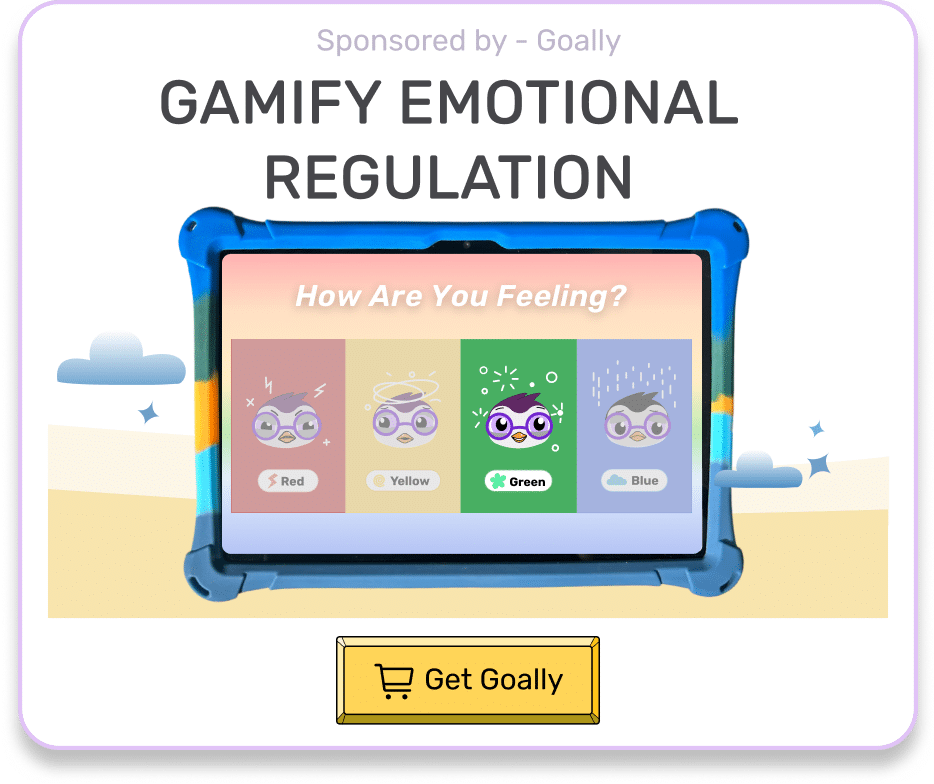
Tired of Emotional Meltdowns?
Goally’s Mood Tuner app has activities for kids with BIG emotions. Teach kids how to tune their mood with Goally. See fewer meltdowns.
The Mood Tuner app encourages kids to look inwards and identify their feelings, helping them understand what’s going on inside. Once they’ve recognized their emotions, they can choose from a 20+ activities designed to help them self-regulate and find their balance.
Remember, emotional detachment doesn’t mean a child is incapable of forming connections. With patience, understanding, and the right support, these children can develop healthier emotional responses and relationships. As a professional in this field, I’ve seen remarkable progress in children who once struggled with emotional detachment. It’s a journey, but one that can lead to profound positive changes in a child’s life and relationships.
Resources:
FAQs about 15 Signs of Emotional Detachment
What are the key signs of emotional detachment in children?
Emotional detachment in children can include lack of eye contact, minimal emotional expression, and withdrawal from social interactions. Identifying these signs early can help parents address potential issues.

How does emotional detachment affect a child's development?
Emotional detachment can hinder a child's social and emotional development, leading to difficulties in forming relationships and expressing feelings. Early intervention can help mitigate these effects.

Is emotional detachment a sign of a more serious condition?
Emotional detachment can sometimes indicate underlying conditions like autism or anxiety. Consulting with a healthcare professional can provide clarity and appropriate support.

Can emotional detachment be reversed in children?
Yes, with proper support and intervention, children can learn to reconnect emotionally. This may involve therapy, family support, and patience.

What should I do if I notice signs of emotional detachment in my child?
If you observe signs of emotional detachment, it’s important to consult with a professional. Early action can help your child develop healthier emotional connections.

Hennah is an experienced writer and researcher, helping children with autism, ADHD, and other neurodivergent conditions. As a blog contributor for Goally, she combines her deep understanding of neurodiversity with practical advice, offering valuable insights to parents and educators.