Self-regulation strategies are essential tools that help kids manage their emotions, behaviors, and reactions—especially during stressful or overwhelming moments. For children with learning or thinking differences, these skills are particularly important for staying calm, focused, and in control. Simple techniques, like taking deep breaths or using visual aids, can prevent emotional outbursts and support better decision-making. With regular practice and support, self-regulation can lead to improved behavior, stronger emotional awareness, and greater independence in daily routines.
Key Takeaways:
- Self-regulation helps kids manage emotions, behavior, and attention
- These strategies reduce stress and improve focus in everyday situations
- Parents can teach self-regulation by modeling calm, thoughtful responses
- Consistency and repetition are key to building long-term success
- Kids with special needs may benefit from extra support and visual tools
Table of Contents
1. Deep Breathing Exercises
One of the easiest and most effective ways to help kids manage their emotions is by teaching them deep breathing exercises. When a child feels overwhelmed, their body might tense up, and their heart rate may increase. Deep breathing helps slow down these physical responses and brings a sense of calm.
Start by showing them how to take a slow, deep breath through their nose, hold it for a few seconds, and then slowly exhale through their mouth. For younger kids, I like to make it fun by calling it “smelling the flowers and blowing out the candles.” They can picture themselves doing something enjoyable, which makes the exercise more engaging.
Read more: What are the Zones of Regulation?
2. Sensory Breaks
Kids, especially neurodivergent ones, often feel overwhelmed by their environment. Sensory breaks give them time to reset and regain control. These breaks can involve activities like squeezing a stress ball, listening to calming music, or even taking a quick walk.
For instance, my niece, who has ADHD, benefits from sensory breaks after doing homework. Giving her 5 minutes to play with a fidget toy or run around helps her focus better when she gets back to work. It’s a small change that has a big impact on her ability to self-regulate.
3. Using Visual Schedules
Visual schedules are another excellent self-regulation tool. Many kids, particularly those with thinking and learning differences, thrive on routine. A visual schedule shows them what’s coming next, reducing anxiety and helping them prepare mentally for transitions.
These schedules can be as simple as pictures showing the steps for getting ready in the morning. For example, a picture of brushing teeth followed by putting on shoes helps kids follow a routine without feeling overwhelmed. Visual schedules provide a clear structure, which can make kids feel more secure and in control.
4. Positive Self-Talk
Teaching kids how to use positive self-talk is a powerful self-regulation strategy. When kids face difficult situations, they may start to think negatively about themselves or the situation. Encouraging them to replace those thoughts with positive affirmations can make a significant difference.
For example, when your child is frustrated because they can’t solve a puzzle, you can encourage them to say, “I can do hard things” or “I’ll figure this out.” These affirmations help kids shift their mindset and stay calm under pressure. In my experience, kids who practice positive self-talk regularly become more resilient in the face of challenges.
5. Setting Realistic Goals
Kids need to learn how to set realistic goals to avoid frustration and meltdowns. When a goal is too difficult, it can lead to overwhelming feelings, especially for neurodivergent kids. Break goals down into smaller, manageable steps that they can achieve.
For instance, if your child is learning to tie their shoes, instead of expecting them to master it in one sitting, focus on one step at a time. Celebrate each small success. This gradual progress builds confidence and teaches kids that they can accomplish big things by taking small, consistent steps.
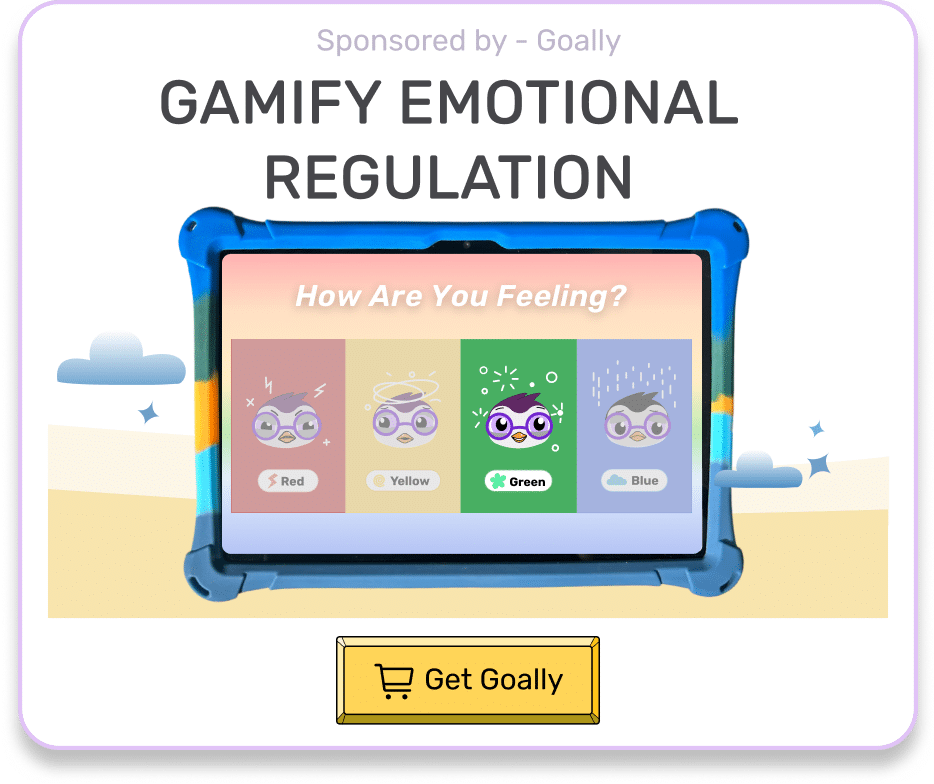
Tired of Emotional Meltdowns?
Goally’s Mood Tuner app has activities for kids with BIG emotions. Teach kids how to tune their mood with Goally. See fewer meltdowns.
The Mood Tuner app encourages kids to look inwards and identify their feelings, helping them understand what’s going on inside. Once they’ve recognized their emotions, they can choose from a 20+ activities designed to help them self-regulate and find their balance.
Self-regulation strategies for kids can help them manage their emotions, reduce stress, and improve their overall behavior. By incorporating these techniques into daily routines, you’ll empower your child to handle life’s challenges with more ease.
Resources:
FAQs About Self Regulation Strategies for Kids
What are some effective self-regulation strategies for kids?
Effective strategies include deep breathing exercises, using visual schedules, and practicing mindfulness.

How can visual schedules help with self-regulation?
Visual schedules provide clear structure and routine, helping kids understand what to expect and reducing anxiety.

What role do emotional regulation apps play in self-regulation?
Emotional regulation apps offer interactive activities and guidance to help kids manage their emotions and reactions.

Why is self-regulation important for children?
Self-regulation helps children control their emotions, behaviors, and reactions, leading to better social interactions and academic performance.

How can parents support their child's self-regulation development?
Parents can support their child by modeling self-regulation behaviors, providing consistent routines, and using positive reinforcement.

Hennah is an experienced writer and researcher, helping children with autism, ADHD, and other neurodivergent conditions. As a blog contributor for Goally, she combines her deep understanding of neurodiversity with practical advice, offering valuable insights to parents and educators.