As someone who works closely with neurodivergent kids, I know firsthand the importance of finding the right toys to support their growth and development. Kids with autism and other learning differences often benefit from toys that engage their senses, help with emotional regulation, and encourage skill-building. In this article, I’ve compiled a list of my top 10 toy recommendations for kids with special needs, based on years of experience and research. These carefully selected items can provide hours of fun and learning for your child, while also targeting specific areas of development. Let’s explore these amazing toys together!
Table of Contents
How Do I Choose the Best Autism Toy?
There are lots of toys that can help your child with autism learn to communicate, learn skills, and relax. In fact, ABA therapists use toys to teach cause and effect, pretend play, and other skills. Speech therapists use toys to evoke communication and learn sequences and play skills. Occupational therapists use toys to develop motor or social skills. For kids, though, toys are just plain fun. With all these options, how do you choose the right toys for your kiddo?
When choosing a toy for your autistic child, consider their development, needs, and interests. If they enjoy manipulating objects, try malleable materials like putty. For children who respond well to sensory input, interactive walls can engage their senses positively and provide a calming effect.
1. Sensory Bins
Sensory bins are a fantastic way to engage kids’ senses and provide a calming, repetitive activity. These removable basins can be filled with various materials like slime, sensory sand, or rice, allowing children to explore different textures and sensations. Sensory bins can help with sensory regulation, fine motor skill development, and even social skills when used in a group setting. I love watching kids get creative with these bins, molding and shaping the materials into unique creations.
According to a study by the SPD Star Institute, sensory integration therapy, which often includes the use of sensory bins, can lead to significant improvements in sensory processing, social functioning, and self-regulation in children with autism.
Read more: Sensory Bin Ideas for Autism
2. Dimpl Toys
Dimpl toys are soft, easy-to-hold sensory toys that are perfect for kids who get overstimulated and need a little extra sensory input. These toys feature colorful silicone bubbles that can be pushed and popped, providing a satisfying tactile experience. Dimpl toys are great for helping kids focus, reduce anxiety, and improve fine motor skills. I’ve seen many children find comfort and enjoyment in these simple yet effective toys.
3. Fidget Toys
Fidget toys come in many shapes and sizes, but they all serve a similar purpose: to provide sensory input and help with self-regulation. These toys can be squeezed, spun, or manipulated in various ways, giving kids a positive outlet for their energy and anxiety. Fidget toys can also help improve focus, fine motor skills, and even social skills when used as a conversation starter. I always keep a variety of fidget toys on hand for my sessions with neurodivergent kids.
| Benefit | Description |
|---|---|
| Improved focus | Fidget toys can help children maintain attention and concentration. |
| Anxiety reduction | Manipulating fidget toys can provide a calming sensory experience. |
| Fine motor skill development | Many fidget toys require precise hand movements, helping to build dexterity. |
4. Playfoam
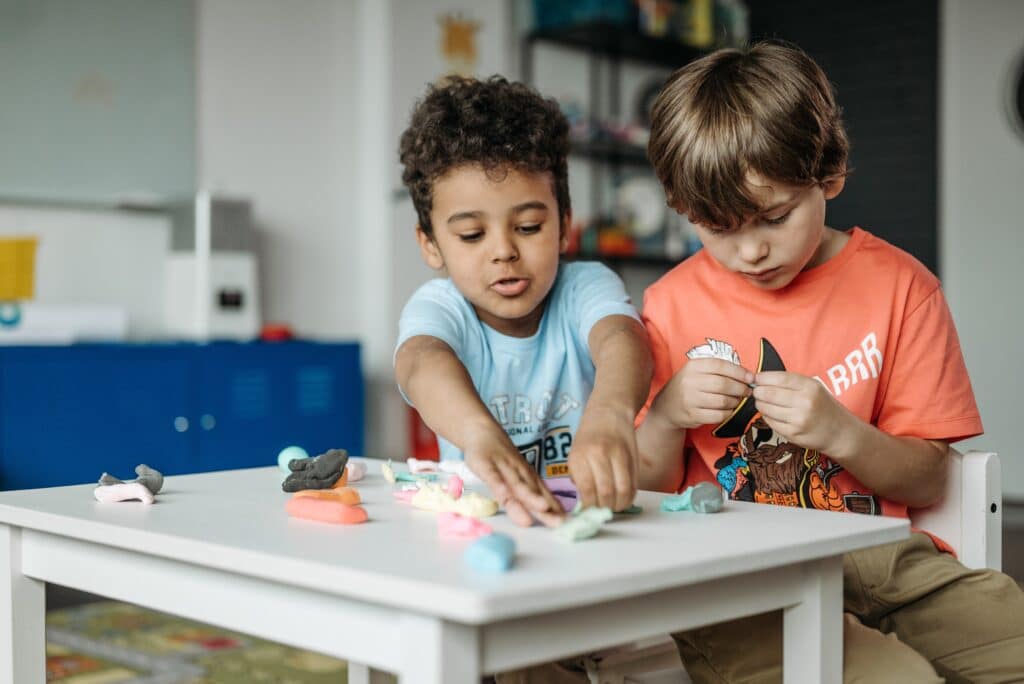
Playfoam is a nontoxic molding foam that can be squished, sculpted, and rolled into virtually anything. This versatile toy allows children to engage in tactile stimulation while also encouraging creativity and imaginative play. Playfoam is easy to use and clean up, making it a stress-free option for parents. I love seeing the unique creations kids come up with when given a few blocks of Playfoam to explore.
5. Kinetic Sand
Kinetic sand is a magical substance that feels like a cross between sand and dough. It’s fun to play with, easy to mold, and simple to clean up, making it an ideal sensory toy for kids with autism. Kinetic sand can provide a calming sensory experience, help with stress relief, and even improve fine motor skills as children manipulate the sand into different shapes and structures. I’ve found that many kids who struggle with traditional play materials really enjoy the unique texture and behavior of kinetic sand.
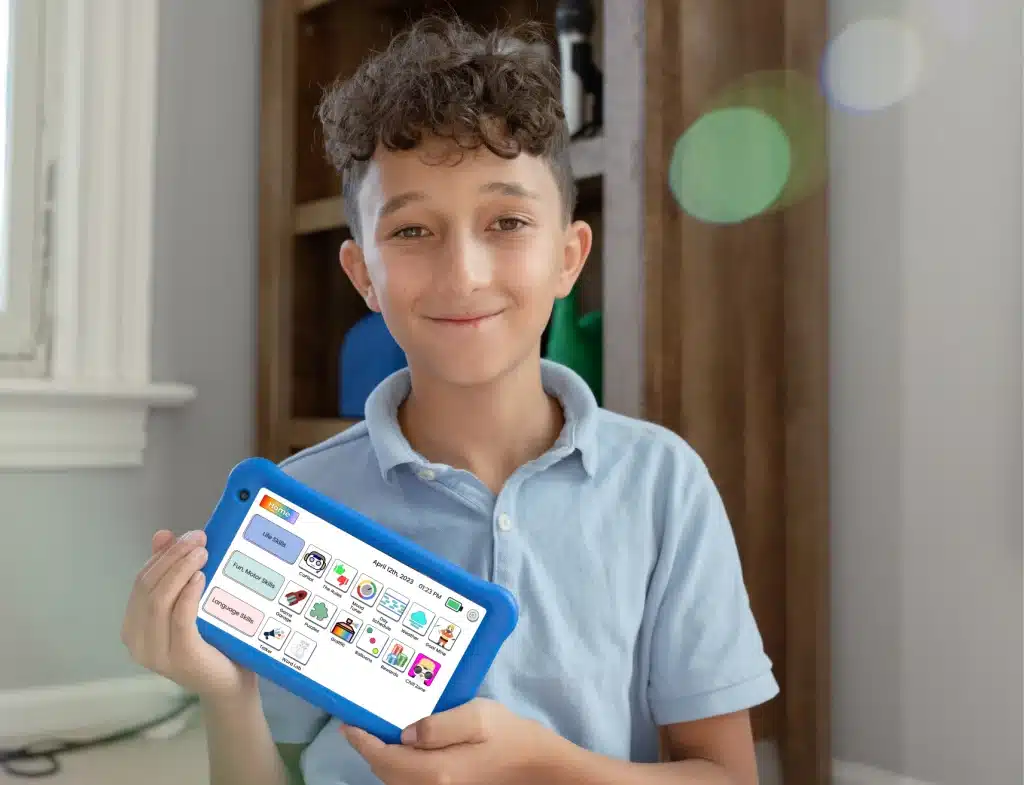
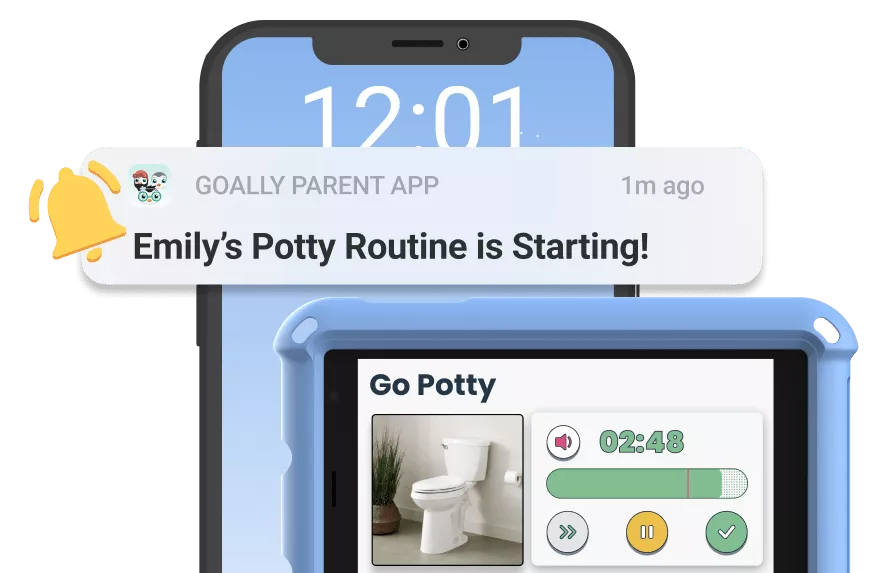
Give your kid an independent future. Goally has 15+ learning apps that teach life skills. There are NO web browsers, social media, or YouTube.
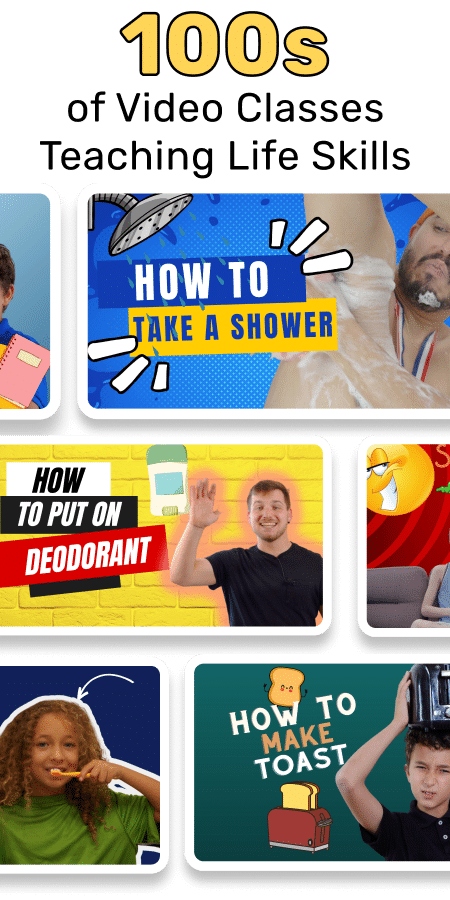
Our apps teach executive function, language, emotional regulation, finger dexterity skills, and more. It also 100+ video classes teaching social skills.
6. Teeter Popper
The Teeter Popper is a versatile toy that can be used in a variety of ways, depending on the child’s skill set. This curved board with suction cups can be rocked, spun, or even sat on, providing vestibular and proprioceptive input. The Teeter Popper can help with balance, coordination, and sensory regulation, making it a great choice for kids with autism or sensory processing disorders. I’ve seen children use this toy in so many creative ways, from making it a part of an obstacle course to using it as a makeshift seesaw with a friend.
7. Body Sock
A body sock is a stretchy, lycra sack that kids can climb inside, providing deep pressure therapy and a unique sensory experience. Body socks allow children to move their bodies in a variety of ways, such as stretching, rolling, and even crawling, while feeling the comforting pressure of the fabric against their skin. This type of sensory input can be incredibly calming and regulating for kids with autism or sensory processing challenges. I often incorporate body socks into my therapy sessions, and it’s always a hit with the kids.
Research has shown that deep pressure therapy, like that provided by a body sock, can lead to a reduction in anxiety and an improvement in sleep quality for children with autism. In a 2011 study, 67% of participants reported a positive calming effect after using a deep pressure garment.
Read more: What Are the Best Autism Sensory Toys?
8. Bubble Tubes
Bubble tubes are mesmerizing sensory toys that feature colorful bubbles moving through a clear tube filled with water. These tubes can provide visual stimulation, as well as a calming and soothing effect for kids with autism. Many bubble tubes also have interactive features, such as the ability to change colors or control the speed of the bubbles, which can help with cause-and-effect learning and encourage engagement. I find that bubble tubes are a great addition to any sensory room or calming corner.
9. Musical Instruments
Musical instruments are not only fun to play with but can also help with a variety of developmental skills. For kids with autism, instruments like drums, xylophones, and even simple shakers can provide auditory stimulation, help with sensory regulation, and encourage social interaction when played with others.
Music therapy has been shown to be incredibly beneficial for neurodivergent kids, helping with communication, emotional expression, and even motor skill development. I love incorporating musical instruments into my sessions and watching kids light up as they create their own unique sounds.
10. Weighted Stuffed Animals
Weighted stuffed animals are a cozy and comforting sensory toy that can provide deep pressure input for kids with autism. These plush toys are filled with weighted beads or pellets, giving them a heavier feel than traditional stuffed animals. The added weight can help with sensory regulation, anxiety reduction, and even sleep.
Many children find comfort in hugging or holding these weighted companions, and they can be a great tool for self-soothing during times of stress. I always recommend weighted stuffed animals to parents looking for a simple yet effective sensory toy.
Goally | Fun Games that Build Motor Skills & Manage Screen Time
Looking for ways to improve your child’s finger dexterity skills while also keeping screen time manageable? Try Goally’s fun & motor planning apps.
Our Balloons & Graffiti Street Apps are all about building motor skills in a fun, interactive way. Kids learn to “pop the balloons” or draw dozens of digital art designs while simultaneously developing the essential skills needed to use AAC and other communication tools. Meanwhile, Game Garage is a parent-controlled space filled with entertaining (but parent-controlled) video games that kids can unlock with the points they earn from completing routines.
When selecting toys for your child with autism, it’s important to consider their individual needs and preferences. Some children may prefer toys that provide a lot of visual stimulation, while others may gravitate towards toys with interesting textures or sounds. Observe your child’s play patterns and take note of the types of sensory input they seek out. With a little trial and error, you’ll be able to find the perfect toys to support your child’s development and bring them joy.
Helpful Resources:
FAQs about Toys for Autistic Kids
What are the benefits of sensory toys for autistic kids?
Sensory toys help improve focus, reduce anxiety, and support sensory regulation. They provide tactile stimulation that can be soothing and engaging for neurodivergent kids.

How do fidget toys help autistic kids?
Fidget toys can enhance focus and concentration, helping kids manage anxiety and sensory needs. They offer a calming effect through repetitive motions.

Why are kinetic sand and Playfoam popular among autistic kids?
Kinetic sand and Playfoam provide unique tactile experiences that encourage creativity without making a mess. They are easy to manipulate, offering a fun and therapeutic activity.

What is a body sock, and how does it help autistic kids?
A body sock offers deep pressure therapy, which can have a calming effect and help with sensory integration. It also aids in improving body awareness and coordination.

Are sensory bins effective for all autistic kids?
Sensory bins can be beneficial for most autistic kids as they engage in calming, repetitive activities. However, it's essential to tailor the materials inside the bins to each child's preferences and sensory needs.
This post was originally published on April 7, 2021. It was updated on May 17, 2024.

Hennah is an experienced writer and researcher, helping children with autism, ADHD, and other neurodivergent conditions. As a blog contributor for Goally, she combines her deep understanding of neurodiversity with practical advice, offering valuable insights to parents and educators.