Working with children has given me valuable insights into the world of special education. If you’re curious about the signs and symptoms associated with neurodivergent conditions, this guide offers a wealth of knowledge tailored just for you. Understanding these symptoms can make a significant difference in how you support your child’s unique needs. We’ll delve into the causes, provide expert tips, and introduce tools like Goally’s learning tablet, all aimed at helping your child thrive.
Table of Contents
Identifying Special Ed Symptoms: What to Look For
Firstly, it’s essential to understand that special ed symptoms can vary widely among neurodivergent kids. However, some common signs may indicate a need for additional support. These include:
- Struggling with reading, writing, or math
- Difficulty following instructions or staying organized
- Trouble with social interactions or communication
- Sensory sensitivities or motor skill challenges
- Persistent emotional or behavioral issues
Keep in mind that these symptoms may not always be apparent, and some kids may exhibit only a few of them. It’s crucial to observe your child closely and consult with professionals if you suspect any challenges.

Read more: Teachers Guide | Special Ed Classroom Setup
Causes of Special Ed Symptoms
Special ed symptoms can arise from various factors, including genetic, environmental, and developmental influences.
Some common conditions associated with special ed symptoms include:
- Autism Spectrum Disorder (ASD)
- Attention Deficit Hyperactivity Disorder (ADHD)
- Dyslexia and other learning disabilities
- Speech and language disorders
- Intellectual disabilities
- Emotional disturbances
Understanding the root cause of your child’s challenges is vital for providing appropriate support and interventions. Goally’s apps for neurodivergent kids can help support children with various conditions, making it easier for parents to address their child’s unique needs.
Supporting Your Child: Strategies and Resources
Early Intervention is Key
Above all, early intervention is crucial for kids with thinking and learning differences. The sooner you identify and address your child’s needs, the better their chances of success. If you suspect your child may need special education services, don’t hesitate to seek professional help.
Goally’s learning tablet can be an excellent resource for early intervention, providing engaging and personalized learning experiences for your child. By incorporating Goally into your child’s daily routine, you can help them develop essential skills and overcome challenges.
Collaborate with Educators and Professionals
Working closely with your child’s teachers, therapists, and other professionals is essential for developing a tailored support plan. Share your observations and concerns, and be open to their suggestions and recommendations.
Goally can also be a valuable tool for collaboration, allowing you to track your child’s progress and share information with educators and professionals. This can help ensure everyone is on the same page when it comes to supporting your child’s growth and development.
Advocate for Your Child
As a parent, you are your kid’s most significant advocate. Familiarize yourself with special education laws and regulations, and ensure your child receives the appropriate accommodations and services they need.
By staying informed and advocating for your child, you can help ensure they receive the support they need to succeed both in and out of the classroom.

Read more: Autism Spectrum Test Toddler
Foster a Supportive Home Environment
Creating a nurturing and supportive home environment can work wonders for your neurodivergent child. Encourage open communication, celebrate their strengths, and provide structure and routine to help them feel secure.
Goally’s learning tablet can be a helpful tool in creating a structured and supportive home environment, offering customizable routines and engaging activities to help your child stay on track and develop essential skills.
Seek Out Parent Support Groups and Resources
Connecting with other parents of kids with special needs can provide invaluable emotional support and practical advice. Look for local support groups, online forums, and organizations that cater to families with neurodivergent kids.
Sharing your experiences and learning from others can help you navigate the challenges of parenting a child with special ed symptoms, providing you with the support and resources you need to help your child thrive.
Goally | Apps To Support Child Development
Looking for fun ways to help your child learn life skills? Try Goally! The Goally tablet comes with award-winning learning apps and video classes to help kids develop the skills they need to become independent with FUN & evidence-based practices.
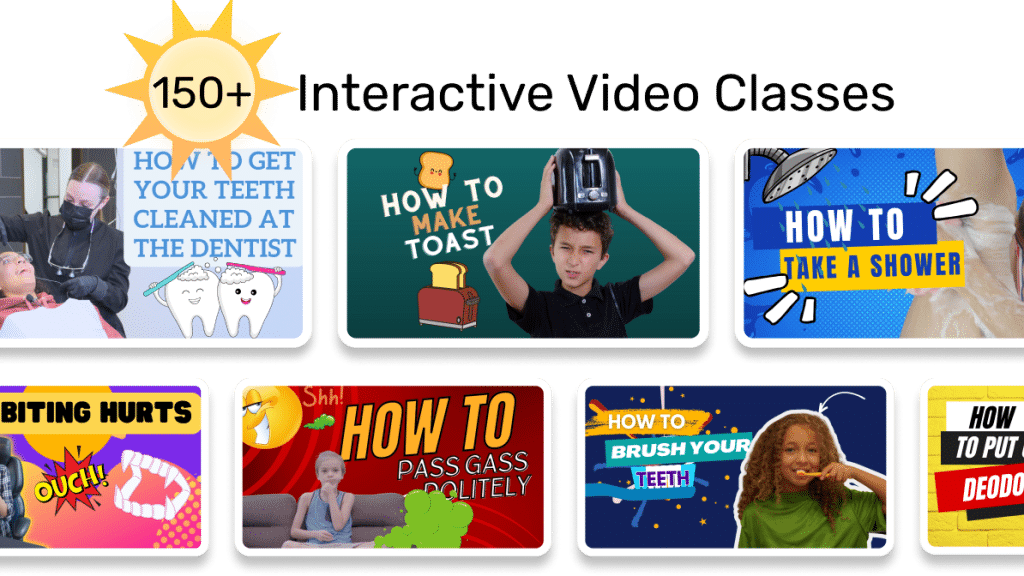
Our apps teach executive function, language, emotional regulation, finger dexterity skills, and more.
As your child develops new skills, you can increase the difficulty level of the tasks in the app to challenge and motivate them even further. This helps your child grow and progress at their own pace, while also keeping them engaged and excited about their development.
Recognizing special education needs is just the start of your journey as a parent of a neurodivergent child. By understanding their needs, advocating for them, and providing support, you can help your child reach their potential. Remember, every child is unique. Embrace their abilities, and together, you’ll overcome challenges.
Resources:
- National Association of Special Education Teachers (NASET)
- Council for Exceptional Children
- Understood
FAQs about Special Ed Symptoms
What signs indicate a child might need special education services?
Children who need special education often have consistent academic struggles and might show persistent difficulties in communication and social interactions.

How do learning disabilities show up in the classroom?
Students with learning disabilities might seem distracted, have difficulty with assignments, or avoid activities involving critical academic skills.

Do special education needs impact emotional and social development?
Yes, children requiring special education may struggle with social interactions and emotional regulation, potentially feeling isolated or frustrated.

Are physical symptoms associated with special education needs?
Some children might display physical symptoms like poor coordination or motor skills, impacting their educational performance.

What early signs might suggest a preschooler needs special education services?
Early indicators can include delays in speech, difficulties with motor skills, or significant behavioral challenges like high activity levels or impulsivity.
This post was originally published on 05/24/2023. It was updated on 08/11/2024.

Hennah is an experienced writer and researcher, helping children with autism, ADHD, and other neurodivergent conditions. As a blog contributor for Goally, she combines her deep understanding of neurodiversity with practical advice, offering valuable insights to parents and educators.