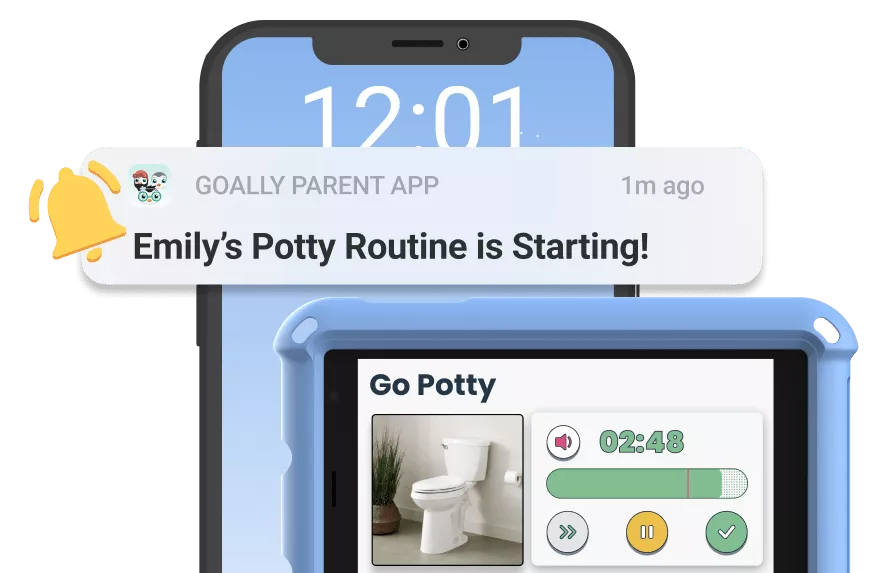
Handling a neurodivergent kid’s intense behaviors can be really tough and lonely. From my years of experience, I’ve learned that understanding a kid’s unique needs can turn these challenges into chances for growth. This blog gives you down-to-earth tips for parents, like spotting triggers, setting up routines, improving communication, and using positive reinforcement.
Table of Contents
Understanding Triggers: The Key to Prevention
First and foremost, identifying the factors that set off your child’s out-of-control behavior is crucial. By recognizing these triggers, you can proactively address them and prevent meltdowns. Common triggers for neurodivergent kids include overstimulation, transitions, unmet needs (hunger, fatigue, etc.), and unpredictable situations.
Take note of when and where these episodes occur, as well as any patterns that emerge. This information will be invaluable in creating a tailored plan to support your child. Goally’s learning tablet, for instance, can help you track and analyze your child’s behavior, making it easier to identify triggers and patterns.
| Trigger | Description |
|---|---|
| Overstimulation | Exposure to excessive noise, light, or other sensory input |
| Transitions | Switching from one activity or environment to another |
| Unmet needs | Hunger, fatigue, or other basic needs not being met |
| Unpredictable situations | Unexpected changes or events that disrupt routines |

Read more: Positive Behavior Chart | Free Printable
Routines: The Foundation of Stability
Consistency is vital for kids with thinking and learning differences. Establishing routines can help reduce anxiety and promote a sense of security. Goally’s apps, for example, can assist you in creating and maintaining routines that cater to your child’s specific needs.
Here are some tips to create a structured environment:
- Establish daily routines: Create a consistent schedule for waking up, mealtimes, and bedtime. This helps your kid know what to expect and reduces the likelihood of out-of-control behavior.
- Visual aids: Use visual schedules, charts, or social stories to help your child understand and follow routines. Visual aids can be beneficial for kids with autism or ADHD.
- Prepare for transitions: Give your child ample warning when it’s time to switch activities. Use timers, verbal cues, or visual reminders to help them anticipate and adjust to changes.
Communication: Building Bridges to Understanding
Effective communication is essential for managing out-of-control behavior. Encourage your child to express their feelings and needs and be receptive to their cues. Goally’s learning tablet can also support you in fostering communication skills, offering a range of apps designed to help neurodivergent kids express themselves more effectively.
Here are some strategies to foster communication:
- Active listening: Give your child your full attention when they speak, and validate their emotions. This will help your kid feel heard and understood, reducing the likelihood of outbursts.
- Teach emotional vocabulary: Help your child identify and label their emotions. This can empower them to communicate their needs more effectively and prevent meltdowns.
- Model appropriate behavior: Demonstrate healthy ways to express emotions and handle stress. Your child will learn from your example and be more likely to adopt these strategies.
Positive Reinforcement: Celebrating Success
When my child is out of control, it’s essential to recognize and celebrate their successes. Positive reinforcement can motivate your child to continue practicing healthy coping strategies. Goally’s apps can help you track and reward progress, making it easier to provide consistent and meaningful reinforcement.
Here’s how to incorporate positive reinforcement:
- Offer praise: Acknowledge your child’s efforts and achievements, no matter how small. This will boost their self-esteem and encourage further progress.
- Reward progress: Develop a reward system for meeting behavioral goals. This can be as simple as a sticker chart or a special treat for a job well done.
- Focus on the positive: Emphasize your child’s strengths and accomplishments rather than dwelling on their challenges. This will foster a growth mindset and promote resilience.

Read more: Emotional Development in 5 Year Olds
Seeking Professional Support: A Helping Hand
Finally, don’t hesitate to seek professional support if your child’s out-of-control behavior persists or worsens. A team of experts, including therapists, psychologists, and educators, can provide invaluable guidance and resources to help your child thrive. Remember, you don’t have to navigate this journey alone.
Some professionals who can help include:
- Occupational therapists
- Speech and language therapists
- Behavioral therapists
- Psychologists
- Special education teachers
Goally | Apps That Build Behavior & Life Skills for Kids
Want to keep your child motivated while building essential behavior and life skills? Goally’s skill-building tablet is designed to celebrate small wins and help your child grow. Our Behavior Tracker helps you reward your kid for specific skills, like “being kind” or “flushing the toilet.”
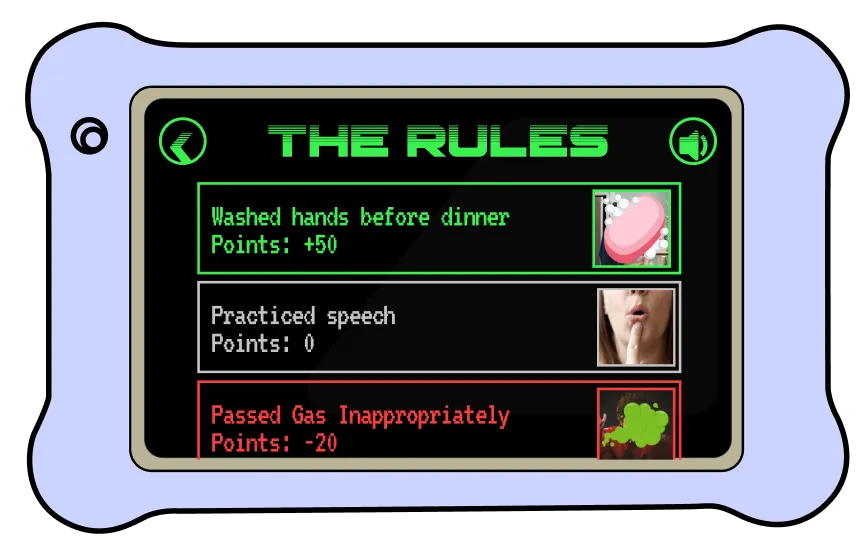
By setting clear expectations and rewarding their efforts, you foster a positive environment for your child to flourish in their behavioral skills journey.
Being a parent isn’t always a walk in the park, especially when you’re your child’s biggest cheerleader and support system. But hey, by figuring out what sets them off, setting up routines, keeping the lines of communication open, and celebrating their wins, you can help your neurodivergent kiddo thrive. Sure, there’ll be some bumps along the way, but with a lot of love, a bit of perseverance, and handy tools like Goally, there’s a super bright future ahead.
Resources:
FAQs about My Child Is Out of Control
Why might a child act out of control?
Children may act out due to emotional distress, behavioral disorders, or as a part of their developmental phase of testing boundaries.

How can I discipline my out-of-control child?
Set clear, consistent rules and consequences, and remain calm and firm. Understand and address the root causes of behaviors.

When should I seek professional help for my child's behavior?
Consult a professional if disruptive behaviors are frequent and severe, to rule out underlying issues like ADHD or anxiety.

How can I communicate effectively with my out-of-control child?
Use active listening and calm discussions during peaceful times to improve understanding and discuss proper emotional expression.

What is the importance of routine for a child's behavior?
Consistent routines can reduce behavior issues by providing stability and clear expectations, which help lessen anxiety and stress.
This post was originally published on 05/15/2023. It was updated on 08/11/2024.

Hennah is an experienced writer and researcher, helping children with autism, ADHD, and other neurodivergent conditions. As a blog contributor for Goally, she combines her deep understanding of neurodiversity with practical advice, offering valuable insights to parents and educators.