When your child’s heart starts to race, palms sweat and their breathing becomes ragged, it could be more than just a regular tantrum. It might be a panic attack. You, as a parent, understand the importance of these symptoms, which is why you’re here. Today, we’re discussing panic disorder, a condition that, though rarely spoken about, impacts many children around the globe. By the end, you’ll know enough to understand its nuances and, more importantly, how to help your youngster navigate it better.
Table of Contents
What is a Panic Disorder?
Panic disorder, to clarify, is a type of anxiety disorder characterized by recurring, unexpected panic attacks. Affected kids often live in fear of having another episode. Sometimes, this fear can be so overwhelming that it affects their daily activities and relationships.
Above all, it’s vital to understand that panic disorder is much more than just being a ‘nervous kid.’ It’s a serious mental health issue requiring thorough understanding and timely intervention.
Common Symptoms of Panic Disorder in Kids
Knowing the signs is crucial, as it enables early intervention. Symptoms commonly observed in kids with panic disorder include:
- Sudden feelings of intense fear or discomfort that peak within minutes.
- Pounding heart, increased heart rate, or palpitations.
- Sweating, trembling, or shaking.
- Shortness of breath or feelings of choking.
- Feeling of impending doom or fear of losing control.

Causes and Risk Factors
The exact cause of panic disorder in children remains unclear. However, it seems to be a combination of genetics, stress, and changes in how parts of the brain function. Risk factors may include a family history of anxiety disorders, significant life stress, and certain changes in brain function.
Read more: Why Is My Child Having Panic Attacks? | How to Help
Panic Disorder Quiz: A Helpful Tool
Understanding all this information is one thing, but how can you tell if your child has a panic disorder? In short, a panic disorder quiz can be a beneficial tool. This quiz helps determine if the symptoms your child is demonstrating align with those of panic disorder. It’s quick, easy, and, inevitably, a potential lifesaver.
Panic Disorder Treatment: What Works?
Certainly, panic disorder can be daunting. But the good news is treatment options abound. Cognitive-behavioral therapy (CBT) has proven highly effective for children battling panic disorder. CBT works by helping kids understand and change thought patterns leading to panic and anxiety. Secondly, medication may also be recommended for severe cases. It could be in the form of antidepressants or anti-anxiety drugs. Most importantly, combining the two often leads to the best outcomes.
Supporting Your Child with Panic Disorder
Being there for your child is paramount. You can actively support your child by positively reinforcing their efforts and maintaining a regular routine. Encourage your child to continue everyday activities, even if they’re nervous. In addition, try to maintain a calm and neutral demeanor when they look nervous. They will take cues from you.
When to Seek Help
Finally, anxiety should never be ignored. If your child’s anxiety starts affecting their everyday life or causes them significant distress, seek help immediately. Connect with a mental health professional to explore therapy and medication options.
Goally | Kid’s Tablet for Building Emotional Regulation Skills
Is your child struggling with understanding and managing their emotions? Goally teaches emotional regulation skills in a fun and interactive way!
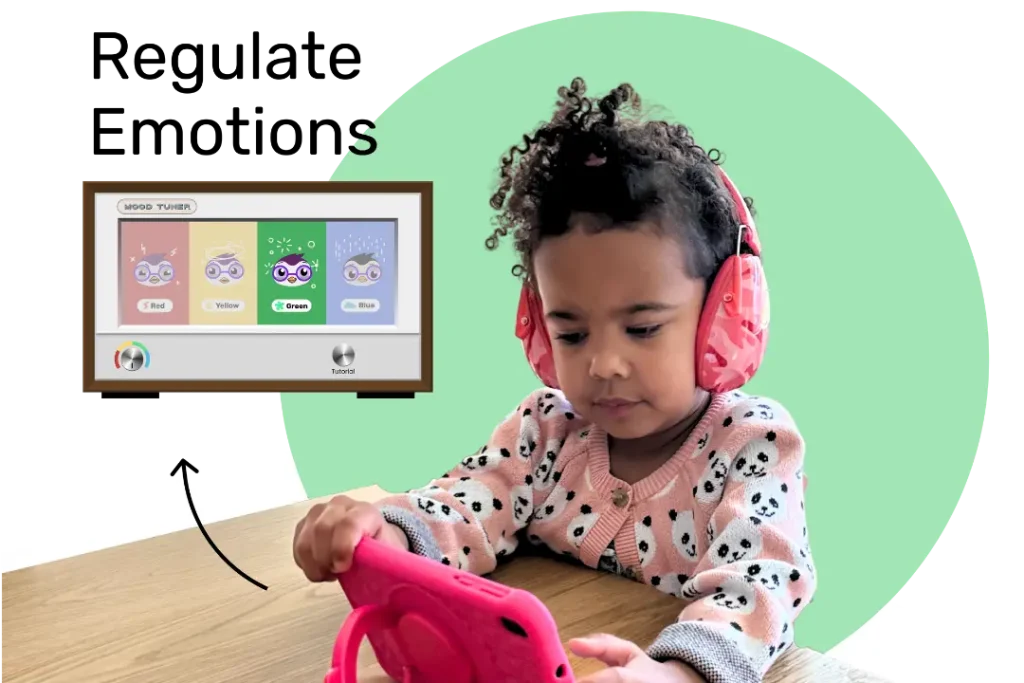
The Mood Tuner app encourages kids to look inwards and identify their feelings, helping them understand what’s going on inside. Once they’ve recognized their emotions, they can choose from a variety of exercises designed to help them self-regulate and find their balance.
Understanding and addressing panic disorder in kids is challenging but essential. By knowing the symptoms, causes, and treatment options, you’re already on the path to supporting your child in the best possible way. Mental health should never be taken lightly; your efforts make all the difference. Despite these difficulties, remember that resources like Goally’s Skill Building Tablet can be a strong ally in your efforts by helping your child gain life skills and manage their anxiety more effectively.

Hennah is an experienced writer and researcher, helping children with autism, ADHD, and other neurodivergent conditions. As a blog contributor for Goally, she combines her deep understanding of neurodiversity with practical advice, offering valuable insights to parents and educators.