We’ve all heard the phrase, “It’s nice to be important, but it’s more important to be nice.” And as parents, we strive daily to instill this vital trait of kindness in our kids. This post provides practical tips and insights into nurturing kindness in your children and also offers a free printable kindness worksheets PDF for an engaging hands-on experience.
Table of Contents
Nurturing Kindness: Why It Matters
Teaching kids about kindness is more important than ever in today’s fast-paced world. Not only does it help create harmonious relationships, but it also contributes to their emotional well-being.
- Fosters Empathy: When children learn about acts of kindness, they begin understanding others’ feelings better – a crucial life skill.
- Promotes Happiness: Research indicates that being kind releases dopamine (the feel-good hormone), which boosts happiness levels.
- Cultivates Self-esteem: Acts of generosity have been linked with increased self-confidence among children. They feel valued and capable when they help others.

Read more: Lack of Empathy in Children With Special Needs
The Role of Parents in Cultivating Kindness
No doubt parenting is like juggling flaming chainsaws while riding a unicycle on a tightrope! But amidst all the chaos and fun (mostly chaos), parents hold an essential role in fostering kindness amongst their young ones. Here are some tips to guide you through this process:
- Show by example: Your actions speak louder than words; demonstrating kindness in your daily interactions can significantly influence your kids.
- Positive reinforcement: Appreciate their acts of generosity and highlight how it made others feel, which will encourage them to repeat such behaviors.
- Create opportunities: Involve children in activities that promote kindness, like helping with household chores or volunteering at a local shelter.
The Power of Free Printable Kindness Worksheets PDF
Sometimes, teaching concepts like empathy and compassion may seem abstract to young minds. But our free printable worksheets provide concrete examples to help kids understand better. From scenarios to role-playing activities – these worksheets offer diverse ways for children to practice kindness regularly.
- Cognitive Development: By engaging with the worksheet’s scenarios, children enhance their problem-solving skills as they navigate through situations requiring kind responses.
- Social Skills: The role-playing exercises allow kids to learn how different actions can impact those around them positively.
- Moral Growth: The reflection sections enable children to introspect about their behavior, fostering moral growth over time.
Making Use of our Free Printable Kindness Worksheets PDF
We’ve developed these worksheets specifically to make teaching kindness more accessible and fun!Above all else though, remember consistency is crucial when using these resources. Be sure also incorporate lessons into everyday life situations whenever possible – even small moments matter significantly in developing kind-hearted individuals!
Incorporating Worksheets into Daily Routine
To maximize the benefits of these worksheets and ensure consistent learning:
- Dedicate a specific time each day for working on the sheets; consistency is key here!
- Praise progress rather than perfection; every small act counts when it comes down to fostering kindness!
- Set up kindness challenges at home. These could be simple tasks like helping with chores or saying something nice to someone.
- Create a “kindness jar.” Kids can drop in notes every time they do something kind.

Read more: 3 Examples of Loving Kindness Meditation
The Role of Positive Reinforcement
Positive reinforcement plays an essential role here. Rewarding your child for acts of kindness encourages repetition of such behavior. For example, verbal praise or small treats can go a long way in making them understand the importance and joy of being kind.
Goally | Apps That Build Behavior & Life Skills for Kids
Want to keep your child motivated while building essential behavior and life skills? Goally’s skill-building tablet is designed to celebrate small wins and help your child grow. Our Behavior Tracker helps you reward your kid for specific skills, like “being kind” or “flushing the toilet.”
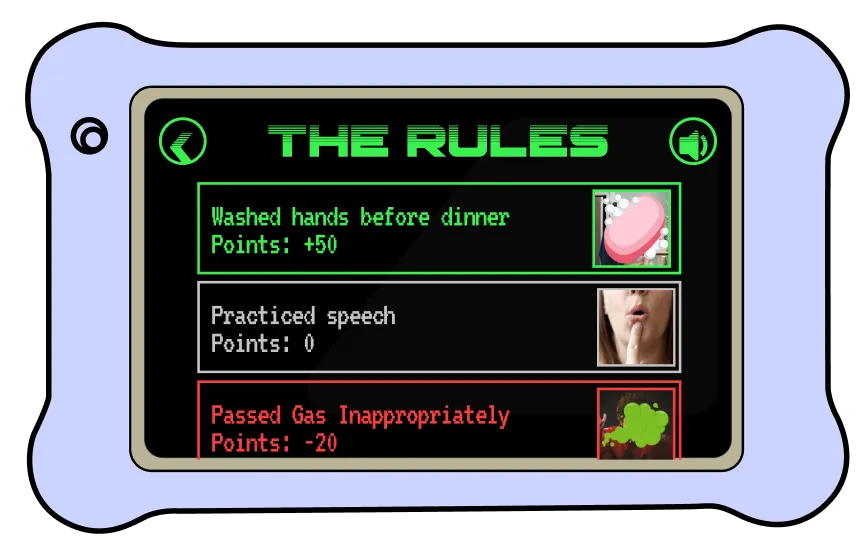
By setting clear expectations and rewarding their efforts, you foster a positive environment for your child to flourish in their behavioral skills journey.
Cultivating kindness isn’t an overnight process but more like planting seeds and patiently nurturing them to bloom. By integrating our free printable kindness worksheets PDF into your child’s routine, you’re equipping them with tools that foster empathy and compassion – attributes they’ll carry throughout their lives. In short, remember this: As parents, we can shape a kinder future through our children. And these printable worksheets? They’re your handy sidekick in this journey!
FAQ about Free Printable Kindness Worksheets
What is included in the free printable kindness worksheets PDF?
The PDF includes various activities and exercises designed to instill and nurture kindness values in kids aged 2-12.

How can I use the free printable kindness worksheets PDF effectively with my kids?
You can incorporate these worksheets into your child's daily routine or during specific learning times, providing guidance as they complete each task.

Is the free printable kindness worksheets PDF suitable for all children
Yes, it is! These sheets are crafted to engage children of different ages (2-12 years), fostering empathy and compassion irrespective of their developmental stage.

Why should I download this free printable kindness worksheets PDF for my kids?
This worksheet set offers fun yet educational tasks that encourage your kid to practice and understand the concept of being kind - a vital life skill.
This post was originally published on 10/15/2023. It was updated on 4/30/2024.

Hennah is an experienced writer and researcher, helping children with autism, ADHD, and other neurodivergent conditions. As a blog contributor for Goally, she combines her deep understanding of neurodiversity with practical advice, offering valuable insights to parents and educators.