As a licensed practitioner who works with kids, I’ve learned so much about autism over the years. Autism, also known as autism spectrum disorder (ASD), is a developmental disability that affects communication, behavior, and social interaction. It’s estimated that 1 in 44 children in the U.S. is diagnosed with ASD, according to the CDC.
Table of Contents
While every child with autism is unique, there are some common traits and challenges. As someone who spends a lot of time with neurodivergent kids, I want to share 10 important facts about autism that every parent should know.
1. Autism is a spectrum disorder
This means the symptoms and severity can vary widely from person to person. Some kids with ASD are nonverbal, while others are highly talkative. Some need significant support with daily tasks, while others can live independently. Never assume one person’s autism is just like another’s.
2. Early intervention makes a big difference
Research shows that early diagnosis and intervention, ideally before age 3, can significantly improve outcomes. If you have any concerns about your child’s development, don’t wait – talk to your pediatrician. Speech therapy, occupational therapy, ABA, and other supports can help kids build critical skills.
3. Autism is not caused by vaccines
This harmful myth has been thoroughly debunked by extensive research. In fact, studies following hundreds of thousands of children have found no link between vaccines and autism. Skipping vaccines puts your child at risk for dangerous illnesses.

Read more: Myth Debunked: Do Vaccines Cause Autism?
4. People with autism often have sensory sensitivities
Many kids with ASD are over- or under-sensitive to certain sounds, lights, textures, or other sensory input. Imagine how overwhelming it would feel to have regular noises seem extremely loud or clothing tags feel incredibly itchy. Sensory-friendly accommodations can make a huge difference.
5. There’s no single known cause of autism
Research suggests ASD likely develops from a complex interaction of genetic and environmental risk factors, not any one cause. Studies estimate genetics contribute to about 80% of autism risk, with environmental factors accounting for the other 20%.
6. Autism affects people of all genders and races
While ASD is 4 times more common in boys, it occurs in all demographics. Girls and some racial minorities are often diagnosed later, suggesting we need to do a better job of recognizing signs of autism in everyone. The earlier we can identify and support kids with ASD, the better their outcomes.
7. Many people with autism also have other conditions
Over half of people with ASD also have signs of ADHD, anxiety disorders, depression, and other medical or mental health issues at some point. Identifying and treating these co-occurring conditions is important for improving quality of life.
8. Autism doesn’t look the same at every age
How ASD presents often changes as a child develops. For example, an autistic toddler might not respond to their name, but an autistic teen might struggle more with social interactions and friendships. Knowing what to look for at different stages helps with early identification and ongoing support.

Read more: 5 Early Signs of Autism in Babies
9. Kids with autism can thrive with support
While there’s no cure for ASD, research shows therapies and accommodations can make a world of difference, especially when started early. From social skills groups to classroom supports to job coaching, there are many ways to help people with autism lead fulfilling lives. Never underestimate your child’s potential.
10. Every autistic person has strengths and talents
It’s easy to focus on the challenges of autism, but people with ASD also have incredible abilities. Many are highly intelligent, detail-oriented, honest, and passionate about their interests. Focusing on your child’s strengths, not just their struggles, is so important for their self-esteem and success.
Goally | Visual Scheduler for Autism
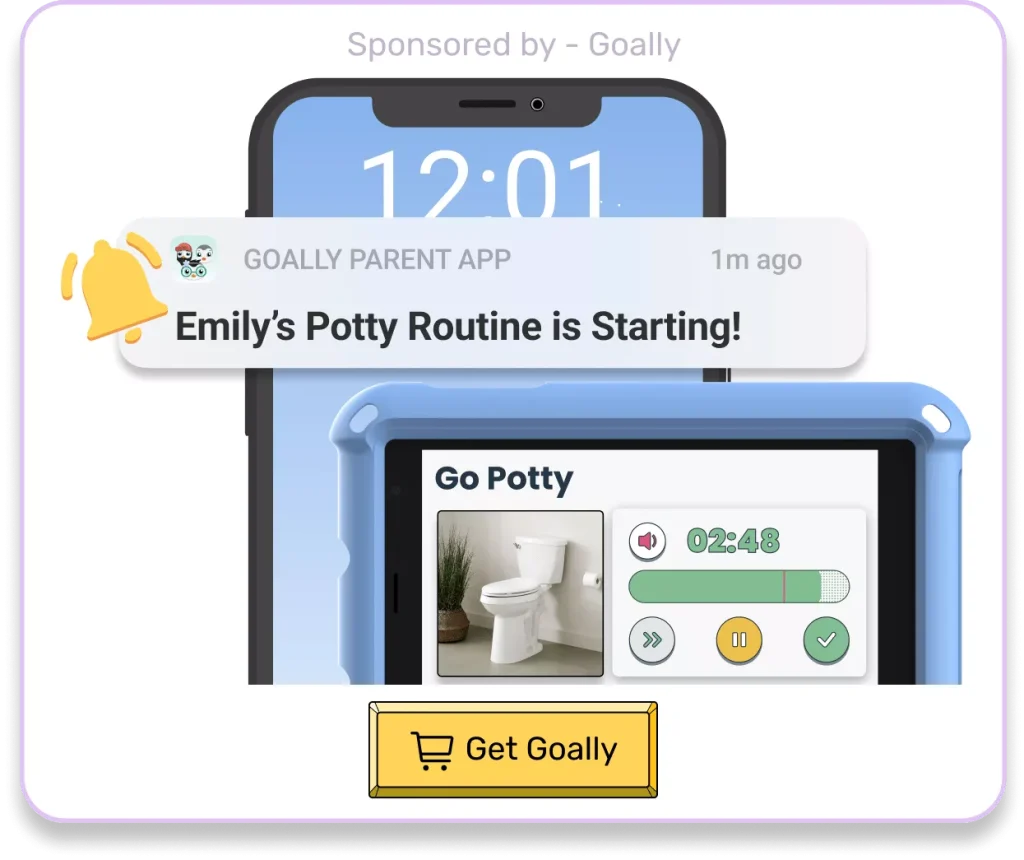
Does your child struggle with getting ready in the morning independently? Goally’s routine app on the best tablet for kids breaks down large tasks into small, achievable steps for autistic kids. Create custom routines with your own videos & pictures for every step.
As I reflect on my experiences with neurodiverse kids, one thing is abundantly clear – no two are exactly alike. These facts offer a glimpse into the complex world of autism, but they only scratch the surface. If you’re a parent of a newly diagnosed child, know that you’re not alone in this journey. With knowledge, support, and an open mind, you can be an incredible advocate for your one-of-a-kind kid.
Resources:
- CDC Autism Information – Up-to-date facts, screening info, and free materials from the Centers for Disease Control and Prevention
- Autism Speaks – Leading autism advocacy organization with extensive info and resources for families
- Autism Society – Nationwide network providing education, advocacy, and support for the autism community
FAQs about Facts about Autism
1. What are some key facts about autism every parent should know?
Key facts include autism's status as a spectrum disorder, affecting communication and behavior differently in each individual, and that early intervention can significantly improve outcomes.

2. How prevalent is autism in children?
Autism affects 1 in 54 children, making it a relatively common developmental disorder, with diagnosis possible as early as 2 years old.

3. Are there specific causes of autism identified by researchers?
While the exact cause of autism is not known, it is understood to be a complex disorder with genetic and environmental factors playing a role.

4. Can children with autism go on to lead independent lives?
Many individuals with autism can lead independent lives, with the level of independence varying widely depending on the support and interventions received.

5. Is autism more common in one gender than another?
Autism is diagnosed more frequently in boys than in girls, with a ratio of approximately 4 boys to every 1 girl.

Hennah is an experienced writer and researcher, helping children with autism, ADHD, and other neurodivergent conditions. As a blog contributor for Goally, she combines her deep understanding of neurodiversity with practical advice, offering valuable insights to parents and educators.