So, your kid had an awkward moment at a playdate or perhaps struggled during a group activity at school. Naturally, your instincts kick in, and you want to know more. Relax. It’s normal. Young minds are shaping their social skills all the time. Thankfully, you can help them along the way. And for those who wish to know where their kids stand with their social skills, we’ve also got a social skills test later in this blog! Now, let’s talk about social skills.
Table of Contents
Understanding the Importance of Social Skills
Social skills go beyond the ability to mix and mingle with a crowd. In fact, they’re the building blocks for meaningful relationships and overall school success. But what do these skills entail? Let’s outline a few core social skills your child needs to navigate their world.
- Maintaining eye contact: It’s one of the first ways kids show interest in what others are saying.
- Understanding personal space: Grasping this concept helps children respect the physical boundaries of others.
- Expressing emotions appropriately: From joy to anger, expressing their feelings is vital for their emotional health.
- Listens to others: This skill is about respect for others’ contributions to the conversation.

Read more: 5 Social Skills for ADHD in Kids
Challenges Faced by Neurodivergent Kids
But what if your child is neurodivergent? Sure, they face unique hurdles. Yet, keep in mind that their approach to social interactions is just different, not lesser or flawed. Recognizing these differences is the first step toward framing the right support system.
The Goally Quiz Time – Gauge Social Skills with Fun!
To take things up a notch, why not have a fun social skills test? This is a user-friendly quiz that can provide some insights about your child’s social skills. Remember, it’s not a definitive measure, but it can give you a starting point for discussion.
Building the Social Ladder
Creating a nurturing environment is critical for social skill development. For example, children learn to share when reassured that there’s enough for everyone. Likewise, they learn to empathize when their feelings are validated. So, how do we foster such an environment?
- Encourage playtime: Playtime forms an expressive window into your child’s thoughts and behaviors. By observing their interactions, you can note where they shine and where they need support.
- Create constructive dialogues: Kids with thinking and learning differences can benefit immensely from clear and open communication. Similarly, try to voice your thoughts and feelings articulately. Moreover, encourage them to do the same.
- Model positive behavior: Children learn more from what you do than you say. Displaying kindness, patience, and compassion can be a fruitful initial step towards social competency.
Read more: How To Improve Social Skills in Kids | Step-by-Step Guide
Goally | Skills Training Videos for Kids
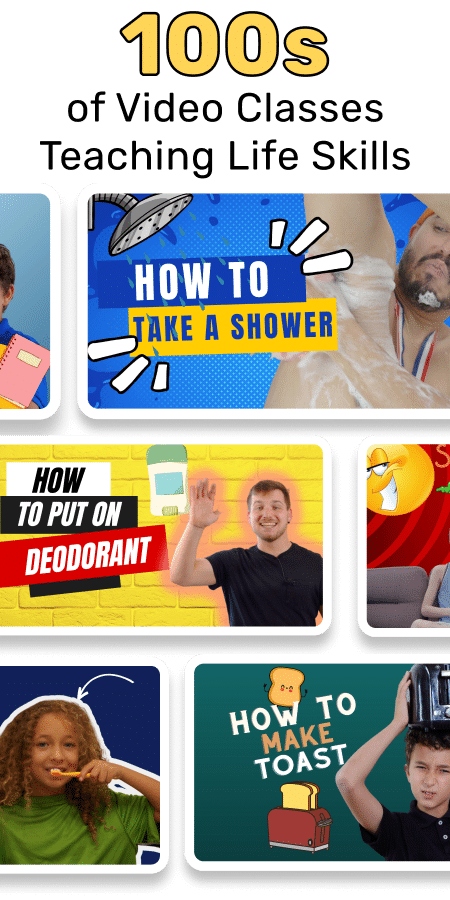
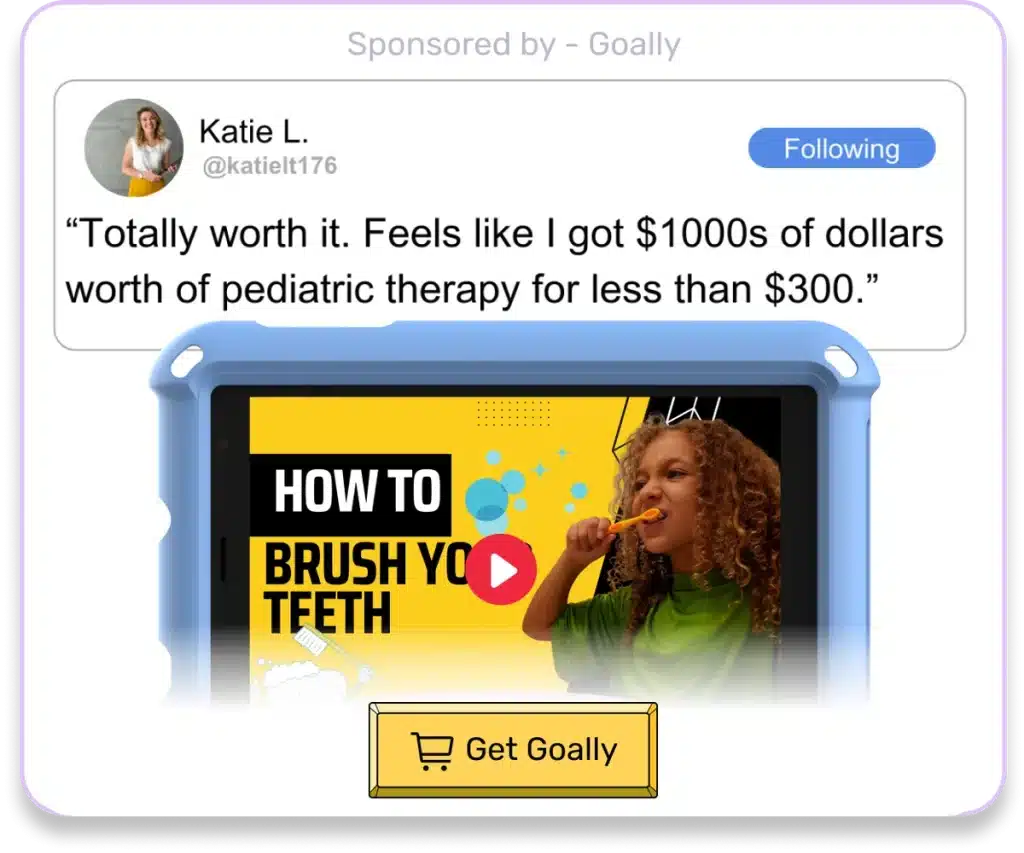
Does your child need some extra guidance on building essential life skills? Goally’s TV app for kids has the most robust video library of skills training videos for kids. Ranging from content like “How to Brush Your Teeth” to “How to Make Friends at School,” we have dozens of interactive video lessons for kids with thinking and learning differences.
Dive into the Goal Mine channel, where Puffy the Penguin leads your child through behavior skills training videos. They’ll learn social, hygiene, and living skills that are key to their independence. For those moments when they need a break, the Chill Zone channel offers low stimulation video content with Paulie the Penguin at the beach, perfect for relaxation and self-regulation.
Remember that each child’s social development journey is unique. It’s okay to miss a step or stumble along the path. After all, the goal is to make steady progress, however small those steps may be. Shine the way for your little explorers in their social escapades. And you know what could help? Goally’s Skill Building Tablet! It’s a fantastic tool to help kids improve their social skills, among other key areas of development. So, why not journey together in this exciting adventure. Because together, you’re unbeatable!

Hennah is an experienced writer and researcher, helping children with autism, ADHD, and other neurodivergent conditions. As a blog contributor for Goally, she combines her deep understanding of neurodiversity with practical advice, offering valuable insights to parents and educators.