What if your child displays contrasting behaviors that seem more than mood swings? It can be challenging, right? We trust you, parent, because it’s no easy feat. You’re here probably because you’ve heard about Dissociative Identity Disorder (DID) and are sincerely looking for answers. Well, you’ve landed right where you should. We’ve crafted this blog to give you a better understanding of dissociative identity disorder and how to proceed if you notice certain symptoms in your child. For comprehensive insights, there is a helpful dissociative identity disorder test later in the blog.
Table of Contents
What is Dissociative Identity Disorder?
Firstly, let’s simplify what Dissociative Identity Disorder is. It’s a condition where two or more distinct identities co-exist within an individual, each with its own perception of the world. In kids, however, the disorder isn’t as cut and dry. The symptoms are often confusing. They may flit between their identities, almost like a chameleon changing colors. Moreover, this isn’t split personality or bipolar disorder; DID is a category by itself.
Read more: Bipolar Disorder Test for Kids
DID Symptoms in Children
Spotting DID symptoms in neurodivergent kids can be a bit tricky. However, an increased understanding can certainly provide clarity. Here are some symptoms you might notice:
- Sudden Shift in Behavior: Kids with DID might exhibit drastic changes in behavior and other characteristics such as habits, voice, and even handwriting.
- Memory Loss: Experiencing recurring periods where they can’t remember personal information or incidents from their past.
- Depersonalization: A feeling of being detached or disconnected from themselves, observing their actions as an outsider.

Debunking DID Misconceptions
Similarly, let’s clear some misconceptions about DID. People with DID are not “dangerous” or “unstable,” as often portrayed in media. Your child can lead a fulfilling life with the right therapy and your unwavering love and support.
Dissociative Identity Disorder: Goally’s Test
If you need help determining where your child stands, this is where our DID test comes in. The quiz is straightforward, and the results can signpost your next steps. Do note that the test is a starting point and not a diagnostic tool; it’s meant to help gauge whether professional help is warranted.
Supporting Your Child with DID
Now that you know the symptoms, let’s discuss the roadmap to helping our neurodivergent kid. If you’re navigating this rocky road, take heart. Parenting a child with DID brings its unique challenges. However, your child can lead a fulfilling life with the right strategies.
- Mirroring emotions: Your child may feel all over the map. It’s essential to mirror their emotions so they feel seen and heard.
- Creating a safe environment: Kids with special needs thrive when they feel secure. A safe, encouraging environment can do wonders.
Remember, it’s not about ‘fixing’ them but understanding and supporting them.
Seeking Professional Help
Remember, in this journey of raising neurodivergent kids, you aren’t alone. Certainly, it’s advised to contact a healthcare professional to diagnose DID. Subsequently, efficient therapies and treatments are available, like cognitive-behavioral therapy (CBT).
Read more: 5 Emotion Regulation Strategies for Kids
Goally | Kid’s Tablet for Building Emotional Regulation Skills
Is your child struggling with understanding and managing their emotions? Goally teaches emotional regulation skills in a fun and interactive way!
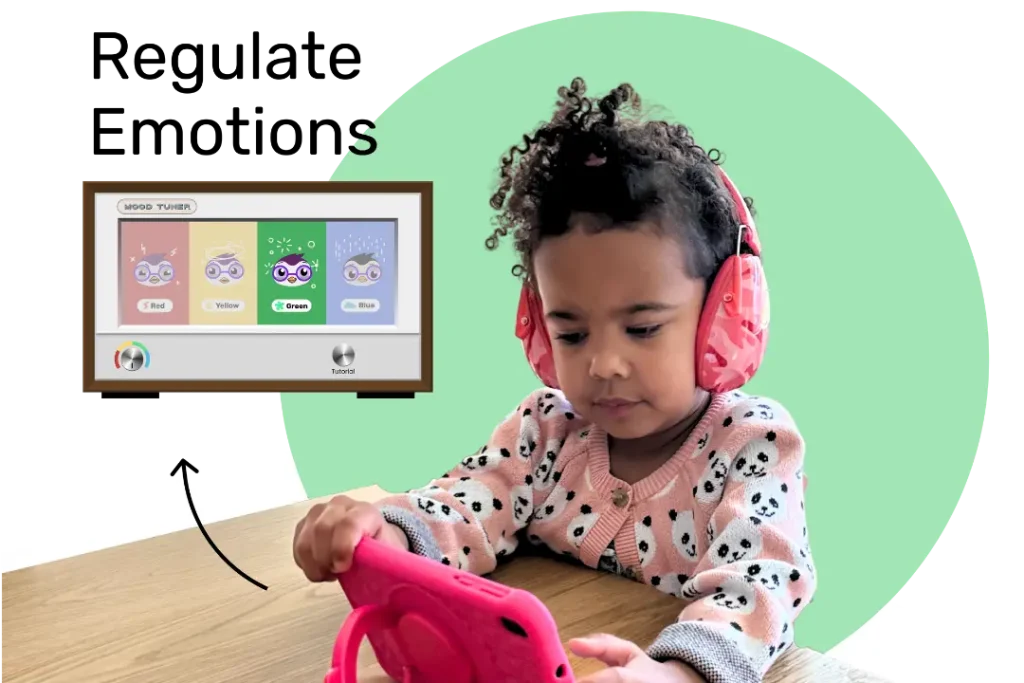
The Mood Tuner app encourages kids to look inwards and identify their feelings, helping them understand what’s going on inside. Once they’ve recognized their emotions, they can choose from a variety of exercises designed to help them self-regulate and find their balance.
Final Thoughts
Your child’s mental health journey doesn’t end with a test. Through consistent progress tracking and continued support, kids with DID can function brilliantly. Their path might differ, but it’s certainly not any less significant.
The journey with DID can bewilder the child and the parents. However, remember that every storm eventually passes. Your child is so much more than their disorder. Their possibilities are endless, their potential limitless. So here’s to the expanse of your child’s future: storm or shine.

Hennah is an experienced writer and researcher, helping children with autism, ADHD, and other neurodivergent conditions. As a blog contributor for Goally, she combines her deep understanding of neurodiversity with practical advice, offering valuable insights to parents and educators.