

Navigate your child’s behavior with our free expected and unexpected behaviors worksheet, designed to provide clarity and actionable insights for managing challenging moments and promoting positive behavior.
Table of Contents
Key Takeaways
- Expected Behaviors: Align with social norms and are easier to manage.
- Unexpected Behaviors: Often stem from discomfort or sensory overload.
- Management Strategies: Stay calm, communicate, teach, and reinforce positive behavior.
- Worksheet Tool: Helps track, understand, and address your child’s behavior effectively.
What is the free expected and unexpected behaviors worksheet?
The free expected and unexpected behaviors worksheet is a printable resource designed to help parents track, understand, and manage their child’s behaviors by categorizing them as expected or unexpected, offering actionable insights for effective caregiving.
The Twists and Turns of Childhood Behavior
Firstly, let’s define the players. Expected behaviors, as the name suggests, are the ones we anticipate. They obey the unwritten social rules. Unexpected behaviors, on the other hand, can take us by surprise.
In the Mind of a Child
Children explore, push boundaries, and assert independence, sometimes resulting in unexpected behaviors. This developmental journey can be a roller-coaster both for them and for you. However, the crucial piece of the puzzle lies in understanding where these behaviors stem from.

Read more: Behavior Worksheets for Kids | Free Printable
Decoding Unexpected Behaviors
Unraveling the cause behind these behaviors can feel akin to decoding a complex cryptogram. But bear with us. A child may exhibit an unexpected behavior due to discomfort, a need for control, or a response to sensory overload. The key is to respond, not react.
Managing Unexpected Behaviors
- Stay calm: Your composed attitude can help diffuse the situation.
- Communicate: Guide them to express their needs more appropriately.
- Teach: Arm them with social rules and expected behaviors in different settings.
- Reinforce: Positive reinforcement can be a powerful tool in promoting expected behavior.
Navigating Towards Expected Behavior
Channeling their energy towards expected behaviors might seem like a tall order. On top of creating a safe and controlled environment, it’s crucial to demonstrate and role-play expected behaviors. A ‘Behavior Charting’ method, integrated in the free expected and unexpected behaviors worksheet, can make this task much more manageable.
The Free Expected and Unexpected Behaviors Worksheet
So, where does our free worksheet feature in all of this? It’s a tool to help you, a behavior evidence collector. Designed by experts in child behavior, this printable PDF can lead you through observing, recording, and managing your child’s behaviors – both expected and unexpected.
Furthermore, it lays out straightforward steps that are easy to follow, making your parental journey less intimidating. So go ahead – download this awesome tool! It really is as simple as it sounds.
Expected Behavior in Special Needs Kids
With kids having special needs or thinking and learning differences, the challenge might appear daunting. But remember, even small victories deserve a celebration. Be consistent and patient, and remember your goal – to help them understand, learn, and grow.
Read more: 7 Positive Reinforcement Examples
Positive Reinforcement for Expected Behavior
Social recognition for expected behavior promotes motivation in kids. Praising them for their progress, rewarding their efforts, or simply giving them a high five works wonders.
Goally | Apps That Build Behavior & Life Skills for Kids
Want to keep your child motivated while building essential behavior and life skills? Goally’s skill-building tablet is designed to celebrate small wins and help your child grow. Our Behavior Tracker helps you reward your kid for specific skills, like “being kind” or “flushing the toilet.”
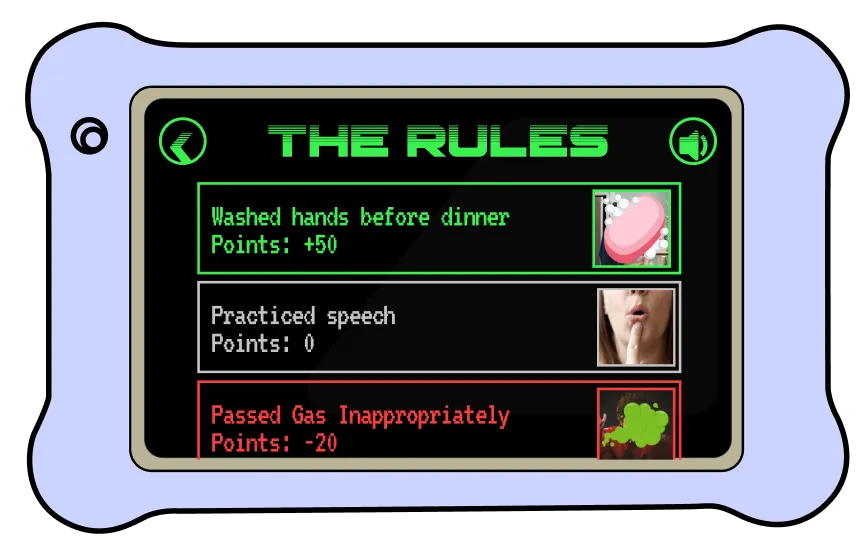
By setting clear expectations and rewarding their efforts, you foster a positive environment for your child to flourish in their behavioral skills journey.
Parenting isn’t a smooth sail, but you’re not alone in this vast sea. The roller coaster will have its highs and lows, certainly, but there’s always help at hand – the right information, timely counsel, and nifty tools such as our free expected and unexpected behaviors worksheet. With knowledge comes power – to understand, accept, and respond effectively to your child’s behaviors.
FAQ about Free Expected and Unexpected Behaviors Worksheet
What is the free expected and unexpected behaviors worksheet?
This is a complimentary printable resource to help parents keep track of and understand their child's behaviors.

Who benefits from the free expected and unexpected behaviors worksheet?
Parents of kids between the ages of 2-12—particularly those with special needs, neurodivergent kids, or kids experiencing learning differences—will find this worksheet incredibly useful.

How can I utilize the free expected and unexpected behaviors worksheet effectively?
You can use this worksheet to note down, categorize, and analyze your kid's behaviors, to better understand their needs and reactions.

Why should I use the free expected and unexpected behaviors worksheet?
This worksheet helps to build knowledge about your child's behaviors and combines understanding with actionable insights, contributing to effective caregiving.
This post was originally published on 11/05/2023. It was updated on 08/21/2024.

Hennah is an experienced writer and researcher, helping children with autism, ADHD, and other neurodivergent conditions. As a blog contributor for Goally, she combines her deep understanding of neurodiversity with practical advice, offering valuable insights to parents and educators.




