For parents in New Zealand with kids facing unique learning challenges like autism, finding the right school is a crucial mission. As someone knowledgeable in this area, acknowledging the real struggles is key. This blog is here to give practical advice on autism schools in New Zealand, offering useful insights and a compassionate perspective. If you’re a parent searching for the best educational fit for your child, you’re in the right place. Specifically, this blog will lay out the top five autism schools in New Zealand, financial assistance information, and shed light on disability qualifications in New Zealand.
Table of Contents
Top 5 Autism Schools in New Zealand
| Name | Star Rating | Reviews | Address | Hours of Operation | Description |
|---|---|---|---|---|---|
| Rosehill Special School | 3.6 | 12 | School ⋅ Auckland, New Zealand | Currently closed, opens at 9 AM on Friday | A nurturing environment in Auckland, New Zealand, Rosehill Special School is known for its inclusive education tailored to individual needs, fostering growth and development. |
| Tauranga Special School | 4.6 | 8 | Education ⋅ Tauranga, New Zealand | Closed, opens at 9 AM on Friday | Tauranga Special School, located in New Zealand, stands out with its high rating and personalized education approach, ensuring a supportive and enriching experience for students. |
| Wairau Valley Special School | 4.0 | 8 | School ⋅ Auckland, New Zealand | Closed, opens at 8 AM on Friday | Wairau Valley Special School in Auckland, New Zealand, provides quality education services, emphasizing community engagement and a warm, welcoming atmosphere for students. |
| Allenvale School | 4.3 | 7 | Special education school ⋅ Christchurch, New Zealand | N/A | Allenvale School, situated in Christchurch, New Zealand, excels in special education, offering tailored programs and services to empower children with diverse learning needs. |
| Sommerville School | 4.6 | 5 | Special education school ⋅ Auckland, New Zealand | Closed, opens at 8:30 AM on Friday | Sommerville School in Auckland, New Zealand, is distinguished by its commitment to individualized special education, creating a supportive environment that encourages student success. |
Is Autism Considered a Disability in New Zealand?
Firstly, let’s clear this up. In New Zealand, autism is recognized as a disability. The Human Rights Commission offers clear provisions protecting autistic individuals from discrimination. In other words, your little learner has rights, and they’re protected.
However, it goes further. New Zealand law stipulates the provision of reasonable accommodations for these students to ensure equal opportunities. Reinforcing this commitment are autism schools in New Zealand, pioneers in delivering personalized education.

How Much is the Child Disability Allowance in New Zealand?
In New Zealand, Child Disability Allowance offers monetary assistance. Parents caring for kids with special needs currently get a weekly, tax-free payment of NZ$64.29. You’re probably thinking every little bit helps, and you’re right!
Navigating the financial side of things can be a minefield. Rest easy, the Ministry of Social Development takes everyone case-by-case, with an evaluation process to ensure those in need receive support.
Read more: Government Assistance for Special Needs Children
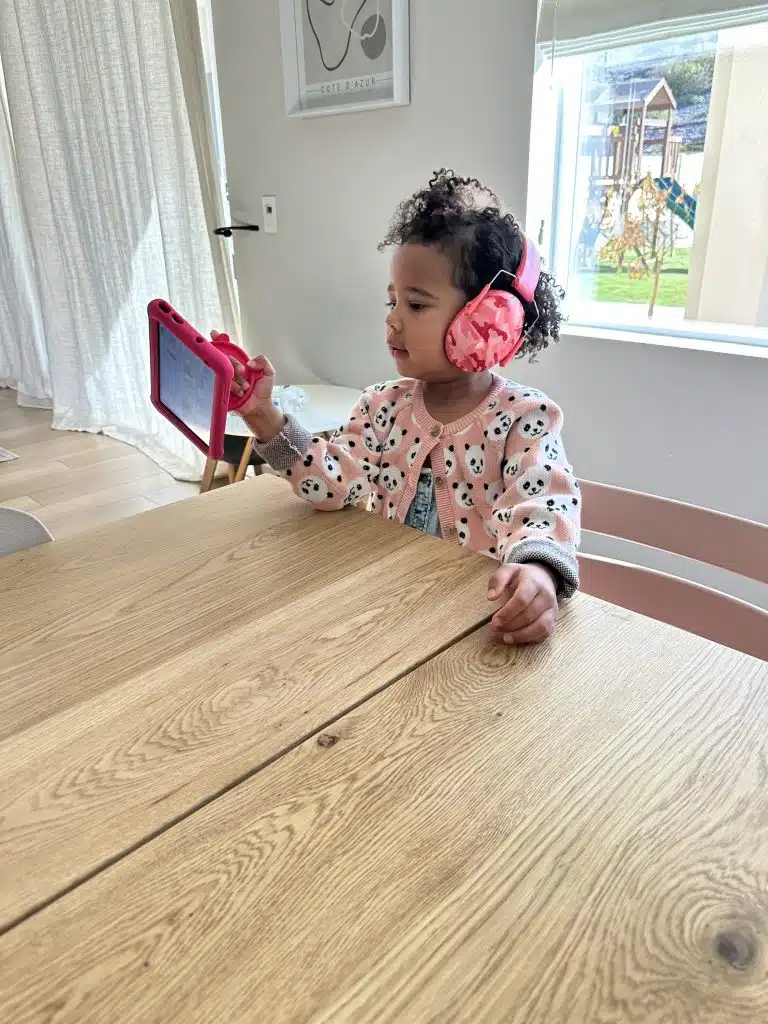
“I found Goally on Instagram a few months ago and I thought, this sounds like a perfect aid for Ivy. Ivy had just started speaking, but her communication was still very minimal. Goally’s visual schedule and AAC-inspired Talker had me really interested. While we want and believe Ivy will find her voice and spoken language, we also believe that communication comes in many forms. Goally has helped us offer our daughter a voice while she learns to find her own. The key is to support communication in whatever form that takes.” – Cassidy I.
Is New Zealand Disability Friendly?
Absolutely. Proudly, New Zealand upholds a robust commitment to inclusivity. Disability access and rights are championed nationwide, reflecting the country’s ethos of fairness and equality.
Moreover, authorities have implemented regulations to ensure spaces are accessible for all, from infrastructure to public transportation. That is to say, both legally and culturally, New Zealand nurtures an environment conducive to disabilities.

What Qualifies for Disability in New Zealand?
In short, there’s no one-size-fits-all approach to qualifying for disability in New Zealand. Instead, the focus falls on an individual’s restrictions in communication, mobility, or day-to-day activities due to a health condition, for instance –– autism.
Secondly, assistance programs like the Child Disability Allowance apply a comprehensive understanding, recognizing disabilities based on their practical implications instead of their diagnostic labels. It’s all about the bigger picture, you see.
How Goally Can Help
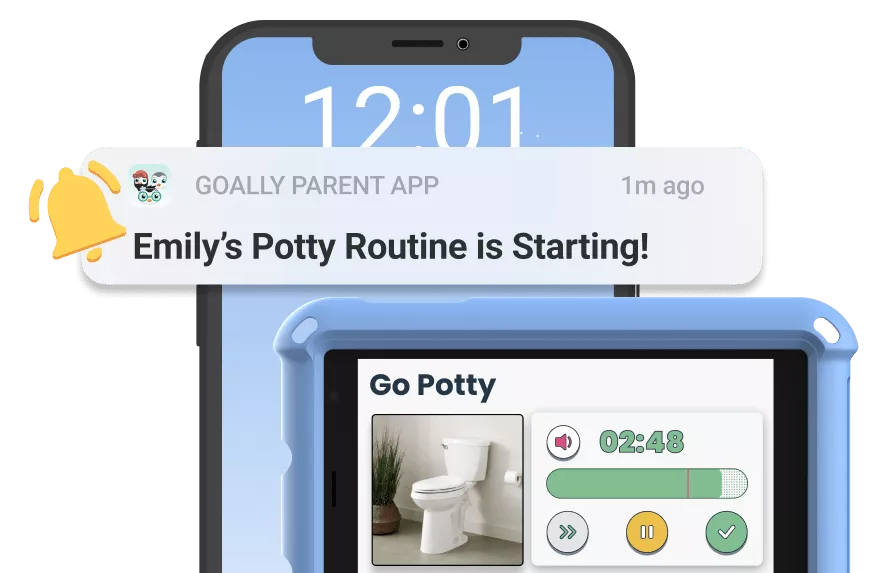
Goally is a great tool for kids with ASD who are looking to improve their life and language skills. It can be used in the home or clinic, and it is tailored to the individual needs of each child. Goally is a digital therapy and teaching assistant that can help kiddos with autism spectrum disorder (ASD). Goally can help children with a variety of tasks, including:
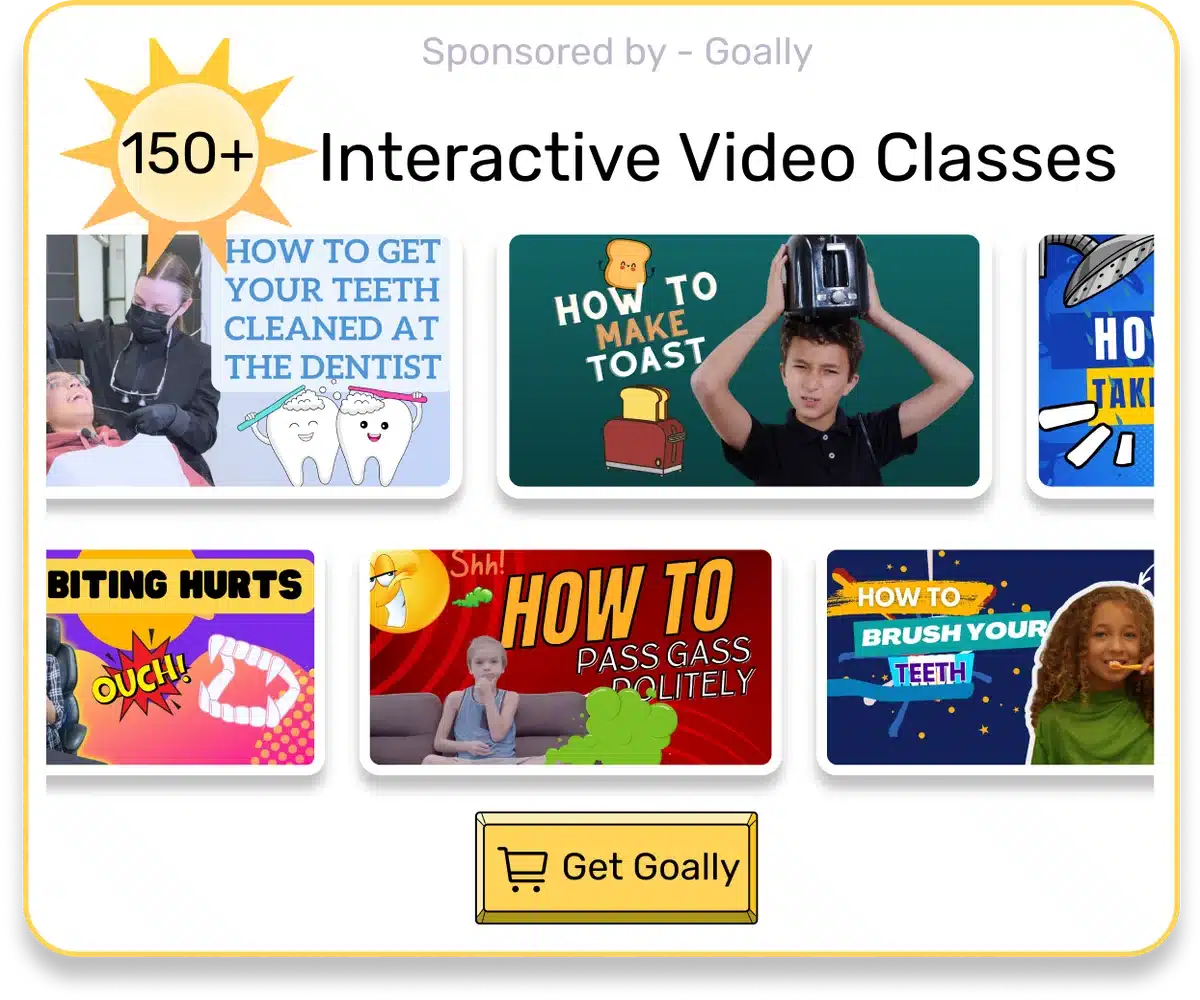
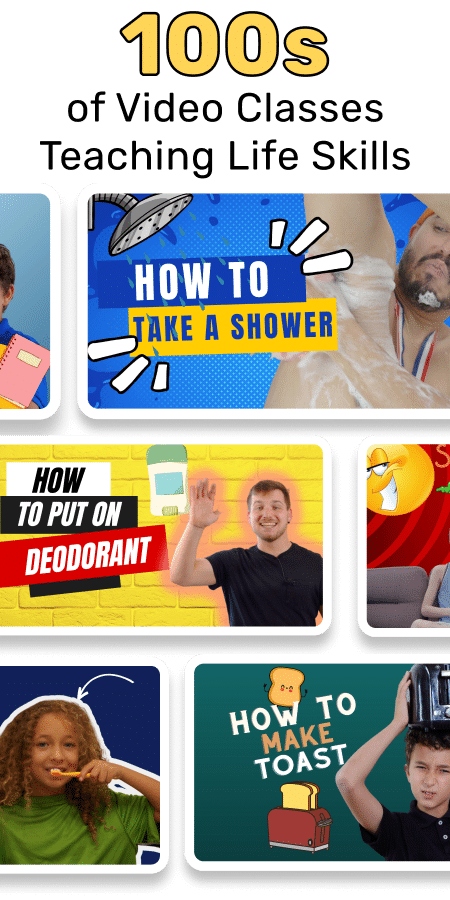
- Learning New Skills: Goally’s video classes helps children learn new skills, such as: how to follow directions, how to interact with peers, and how to make a sandwich.
- Increased Communication: Goally helps children effectively communicate wants and needs while also teaching them their first 50 words, allowing children to participate in the world around them.
- Behavior Management: Goally helps children manage their behavior, both in the classroom and at home by rewarding positive behaviors created by parents and teachers.
Goally’s distraction-free kid’s tablet can be used as a therapy tool to help teach executive function, language, emotional regulation, finger dexterity skills, and more!
To Sum Up
To sum up, this blog has demystified the landscape of [autism schools in New Zealand] –offering not just names and addresses but insights into their extraordinary work. In addition, a clearer understanding of disability allowances and applications has hopefully helped contextualize your journey.
Lastly, let us take a moment to appreciate how Goally can complement this journey. Designed as a learning tablet for neurodivergent kids, Goally creates an intuitively structured environment fostering task completion and confidence-boosting, in line with the superb education offered by autism schools in New Zealand. It’s a match made in heaven when you think about it.

Hennah is an experienced writer and researcher, helping children with autism, ADHD, and other neurodivergent conditions. As a blog contributor for Goally, she combines her deep understanding of neurodiversity with practical advice, offering valuable insights to parents and educators.