In a culture renowned for its rich history and traditions such as Japan, finding the right special education school requires a nuanced understanding. As a trusted guide in this journey, we delve into the intricate world of special education schools in Japan, offering valuable insights to empower parents to make informed decisions that resonate with their child’s individuality. In this blog, you’ll get the inside scoop on Japan’s top five schools for neurodivergent kids and an in-depth look at Japan’s attitude towards neurodivergent individuals and disabilities.
Table of Contents
Top 5 Special Education Schools in Japan
Japan houses extensive facilities planned to foster neurodivergent kids’ learning and growth. Here are the top 5:
| Name | Star Rating | Reviews | Address | Hours of Operation | Description |
|---|---|---|---|---|---|
| Eifuku Gakuen | 3.6 | 25 | Suginami City, Tokyo, Japan | Closed, Opens 8:25 AM | Providing specialized education, Eifuku Gakuen stands out for its commitment to tailor learning experiences for children with unique needs. |
| Musashino Higashi Gakuen | 3.5 | 14 | Musashino, Tokyo, Japan | Operating Hours Not Specified | Musashino Higashi Gakuen, a reputable school in Musashino, offers a diverse educational environment that fosters creativity and exploration. |
| Shinjuku Special Education School | 4.5 | 12 | Shinjuku City, Tokyo, Japan | Operating Hours Not Specified | With an impressive 4.5-star rating, Shinjuku Special Education School excels in providing personalized care and education for children with special needs. |
| Tokyo International Progressive School | 3.0 | 10 | Setagaya City, Tokyo, Japan | Closed, Opens 8:30 AM | As an international school, Tokyo International Progressive School offers a globally oriented education for children, promoting diversity and cultural understanding. |
| Kugayama Seiko Gakuen | 3.5 | 4 | Setagaya City, Tokyo, Japan | Closed, Opens 8 AM | Specializing in education for unique talents, Kugayama Seiko Gakuen is dedicated to nurturing the individual strengths and interests of each child. |
Do Japanese Schools Have Special Education?
Absolutely! Japan has leveraged special education since the 1940s. However, parental choice is integral, and mainstream or specialist schools are readily available.
For example, schools like Shinjuku Special Education School specialize in personalized care and adaptive education, emphasizing the importance of seeing and guiding each child as an individual learner. Personalized care is not just a motto; it’s a promise.

How is Autism Viewed in Japan?
Japanese culture dearly treasures harmony and unity. Consequently, any deviation from the norm has traditionally been treated cautiously. But things are changing. Autism is now more widely understood and accepted in the Land of the Rising Sun.
Various advocacy groups, government policies, and changing societal attitudes work hand in hand to remove the stigma. More importantly, specialized institutions such as Eifuku Gakuen help to emphasize every child’s value and capability.
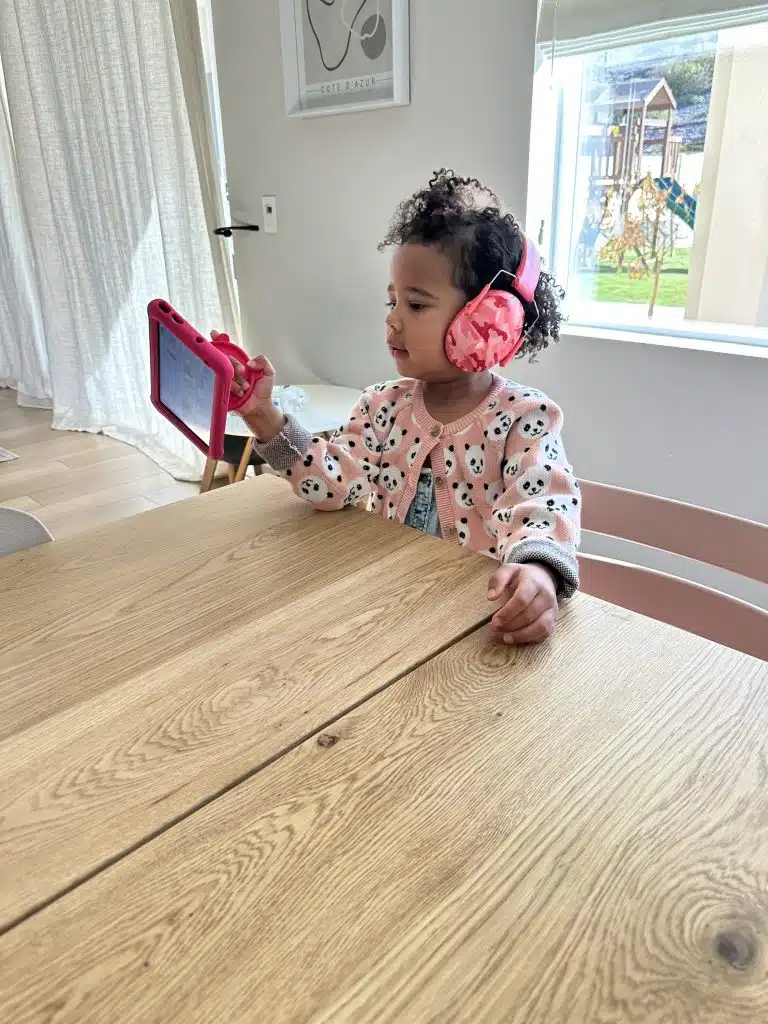
“I found Goally on Instagram a few months ago and I thought, this sounds like a perfect aid for Ivy. Ivy had just started speaking, but her communication was still very minimal. Goally’s visual schedule and AAC-inspired Talker had me really interested. While we want and believe Ivy will find her voice and spoken language, we also believe that communication comes in many forms. Goally has helped us offer our daughter a voice while she learns to find her own. The key is to support communication in whatever form that takes.” – Cassidy I.
How are Disabilities Treated in Japan?
Japan has made significant strides in managing disabilities. This change is reflected in its social systems and infrastructure, specifically tailored to accommodate kids with special needs, thus ensuring that they don’t feel left out.
Japan’s policies encourage inclusivity in public spaces, schools, and workplaces. For instance, schools like Musashino Higashi Gakuen offer a nurturing educational environment that fosters creativity and exploration for every child, regardless of their learning differences.

Read more: Inclusive Gaming Options for Kids with Disabilities
What is the Most Common Disability in Japan?
The most prevalent disability in Japan is intellectual disability, including Down syndrome and autism. Statistics report almost 3 million individuals living with intellectual disability in Japan. And yet, it’s only one piece of the puzzle.
It’s crucial to remember that these figures don’t define any child’s potential or capabilities. Meanwhile, schools like Kugayama Seiko Gakuen specialize in nurturing individual strengths and interests, showing that uniqueness fosters success.
Read more: Raising a Child With Mild Intellectual Disability
How Goally Can Help
Evidence shows that kids learn best when they’re having fun. Many teachers recommend using learning tech like Goally to engage with kids in a way they love.
In the classroom, Goally can help kids with:
- Following directions by providing visual and verbals supports to help them understand each task.
- Staying on task by providing timers and reminders to help them stay focused.
- Communicating with their teachers and peers through the AAC Talker app that allows them to express wants and needs.
- Identifying and regulating their emotions before children have a meltdown because they are overstimulated.
Goally’s distraction-free kid’s tablet can be used as a therapy tool to help teach executive function, language, emotional regulation, finger dexterity skills, and more!
To Sum Up
Japan’s special education schools provide a ray of hope for parents of kids with thinking and learning differences. Their commitments to personalized education, uniqueness, and inclusivity promise a brighter future for neurodivergent kids. To sum up, with the right combination of educational support, parental love, and some hi-tech help from Goally, every child can soar higher than they could imagine!

Hennah is an experienced writer and researcher, helping children with autism, ADHD, and other neurodivergent conditions. As a blog contributor for Goally, she combines her deep understanding of neurodiversity with practical advice, offering valuable insights to parents and educators.