Selecting the right autism center in Columbus, GA, involves more than a simple internet search; it’s a crucial decision that can significantly impact your child’s developmental journey. For many caregivers, it’s akin to assembling a puzzle with pieces that don’t come in a box.
This blog aims to serve as a guide that deciphers the intricacies of each center’s offerings—be it specialized behavioral therapies or flexible scheduling—empowering you with the information you need to make a choice that aligns with your child’s unique requirements and your family’s schedule.
Table of Contents
Top 5 Autism Centers in Columbus, GA
| Name of Location | Star Rating | Number of Reviews | Address | Hours of Operation | Description |
|---|---|---|---|---|---|
| Proud Moments ABA | 4.3 | 20 | 5900 Warm Springs Rd | Closes 7 PM | Proud Moments ABA is renowned for its comprehensive, individualized approach to autism therapy, and stays open later than most. |
| Hopebridge Autism Therapy Center | 4.1 | 14 | 200 Brookstone Centre Pkwy Building 200 | Closes 6 PM | Hopebridge offers a wide range of mental health services beyond ABA, making it a versatile choice for diverse needs. |
| Rivertown Autism and Applied Behavior Analysis (ABA) | 4.8 | 12 | 6007 Veterans Pkwy | Closes 5 PM | With the highest star rating, Rivertown Autism focuses exclusively on ABA and is recommended for those seeking specialized care. |
| Autism Learning Center | 3.7 | 6 | 6100 Veterans Pkwy Suite 11 | Closes 5:30 PM | Autism Learning Center has the benefit of staying open slightly later than most, allowing for some flexibility in scheduling. |
| Autism Hope Center | 5.0 | 3 | 2000 Hamilton Rd Suite B | Not provided | As a non-profit organization, Autism Hope Center is ideal for families looking for community-based, altruistic care. |
Read more: Autism Centers in Georgia | Parent Guide
What Programs are in Georgia for Autistic Children?
Georgia is on the frontline of autism support systems. Programs like Georgia’s Special Needs Scholarship Program can financially aid. Another resounding feature is the Marcus Autism Center, which offers notable services.
Conversely, public schools provide Individualized Education Programs (IEP), which tailor education to a child’s needs. Besides, there exist nonprofits like Autism Speaks that hold events and advocate for neurodivergent kids. Certainly, an abundance of options awaits you in Georgia.
What Type of School is Best for Autism?
The best type is subjective and hinges on a child’s needs. Some kids with thinking and learning differences excel in mainstream schools, while others benefit from special schools.
Schools dedicated to neurodivergent kids provide personalized attention, specially trained staff, and smaller class sizes. Conversely, mainstream schools foster social skills adaptability and expose your child to a diverse set of life perspectives. Meanwhile, weighing these factors can guide you to the best choice for your child.

How Do You Get Diagnosed with Autism in Georgia?
Diagnosis starts, usually, by visiting a pediatrician. A developmental screening during a routine checkup often flags potential concerns. Subsequent evaluations by specialists working in autism centers are then done for a comprehensive assessment.
In short, diagnosis involves a two-step evaluation process. First, a general developmental screening during regular well-child doctor visits. Secondly, a comprehensive diagnostic evaluation follows if your doctor sees any signs of a problem. For instance, a team of professionals in Georgia’s Marcus Autism Center can conduct a detailed assessment.
Read more: Who Can Diagnose Autism?
What is the Autism Rate in Georgia?
Data from the CDC indicates, unfortunately, Georgia has a higher autism rate than the national average. The prevalence is 1 in 64 children, above the national average of 1 in 68. This uptick calls for comprehensive autism support services across the state.
Despite the slightly elevated statistics, the influx of quality autism centers in Columbus, GA, has eased the challenge. They’re a haven offering adaptable solutions for neurodivergent kids seeking to bloom within their unique capabilities. Families in Georgia are, therefore, well supported.
How Goally Can Help
Goally is a valuable resource for clinicians who are looking for ways to support children with speech and language problems.
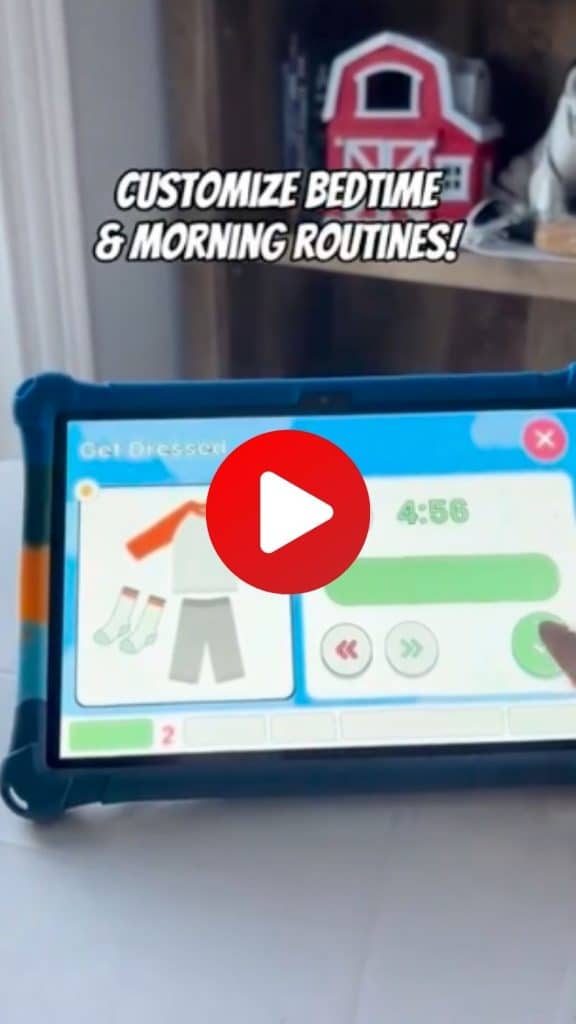
- Individualized Instruction. Goally can be easily customized to meet the specific needs of each child supporting the skills that they need most, at each child’s own pace.
- Increased Engagement. Goally is a fun and interactive tool that can help children stay engaged while learning.
- Improved Communication. Goally helps children learn to effectively communicate wants and needs, and allows children to participate in the world around them.
- Bonus: Goally’s Core Word Lessons teaches kids their first 50 words through video modeling and interactive practice.
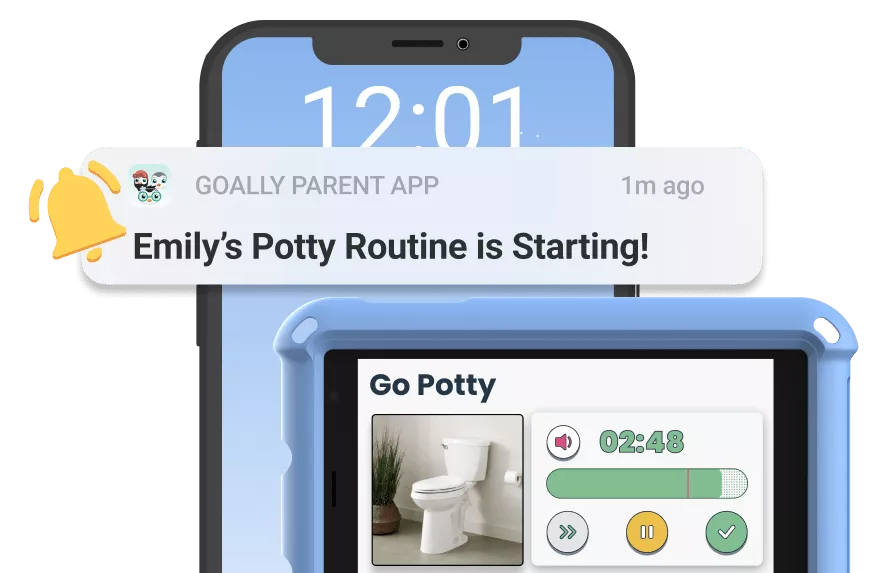
Goally’s distraction-free kid’s tablet can be used as a therapy tool to help teach executive function, language, emotional regulation, finger dexterity skills, and more!
A parent’s quest to find the best support for their neurodivergent child needn’t be so daunting, not with the wealth of knowledge tucked in this post or the multitude of autism centers in Columbus, GA. You are at the helm, steering your child’s journey, empowered to pioneer an extraordinary tale of triumph against all odds.

Hennah is an experienced writer and researcher, helping children with autism, ADHD, and other neurodivergent conditions. As a blog contributor for Goally, she combines her deep understanding of neurodiversity with practical advice, offering valuable insights to parents and educators.