In the ever-evolving realm of neurodiversity, understanding autism is more critical than ever. Autism, a condition impacting millions globally, reveals complexities and nuances that demand our attention. From the significance of early intervention to recognizing unique strengths, this comprehensive guide is essential for supporting neurodivergent kids. Stay informed as we dive deep into 10 things you should know about autism.
Table of Contents
1. Autism is a Spectrum
Autism, or Autism Spectrum Disorder (ASD), varies widely in severity and symptoms. Some kids might be non-verbal, while others may have exceptional language skills.
Understanding that autism is a spectrum helps recognize the unique strengths and challenges each autistic child faces. It also highlights the need for personalized support.
2. Early Intervention is Crucial
The sooner autism is identified, the better the outcomes for the child. Early intervention programs can significantly improve social, communication, and learning skills.
Parents should be aware of early signs, such as delayed speech or social interaction issues, and seek professional advice if concerned.
Goally | The Tablet for Neurodiverse Kids
3. Autism is Not a Disease
Autism is a developmental condition, not a disease. It’s important to approach it with acceptance and understanding rather than trying to “cure” it.
This perspective encourages support and adaptation to meet the needs of autistic individuals rather than attempting to change who they are.
4. Social Interaction Can Be Challenging
Many autistic kids find social interactions difficult. They might struggle with understanding social cues, maintaining eye contact, or forming friendships.
Creating supportive social environments and teaching social skills can help autistic kids navigate these challenges more effectively.
5. Sensory Sensitivities are Common
Autistic kids often have sensory sensitivities, such as being overly sensitive to sounds, lights, or textures. These sensitivities can affect their daily lives.
Parents can help by creating sensory-friendly environments and using tools like noise-canceling headphones or sensory toys.

Read more: Kids on the Spectrum | What to Know
6. Communication Varies
Communication abilities in autistic kids vary widely. Some might use spoken language, while others rely on non-verbal methods like pictures or technology.
Finding the best communication method for each child to ensure they can express themselves effectively is essential.
7. Routines and Predictability Help
Many autistic kids thrive on routine and predictability. Sudden changes can be distressing and lead to anxiety or behavioral issues.
Using visual schedules and preparing kids for changes in advance can help them feel more secure and less anxious.

8. Autistic Kids Have Unique Strengths
Autistic kids often have unique strengths and talents, such as exceptional memory, attention to detail, or artistic abilities.
Focusing on and nurturing these strengths can boost their confidence and help them achieve their full potential.
9. Support Networks are Vital
Having a strong support network of family, friends, and professionals is crucial for parents of autistic kids. It provides emotional support and practical advice.
Joining support groups or connecting with other parents can be incredibly beneficial for sharing experiences and resources.
10. Advocacy and Acceptance are Key
Advocating for autistic kids and promoting acceptance in schools and communities helps create inclusive environments where they can thrive.
Education and awareness are essential in breaking down stereotypes and ensuring that autistic individuals are respected and valued.
Goally | Visual Scheduler for Autism
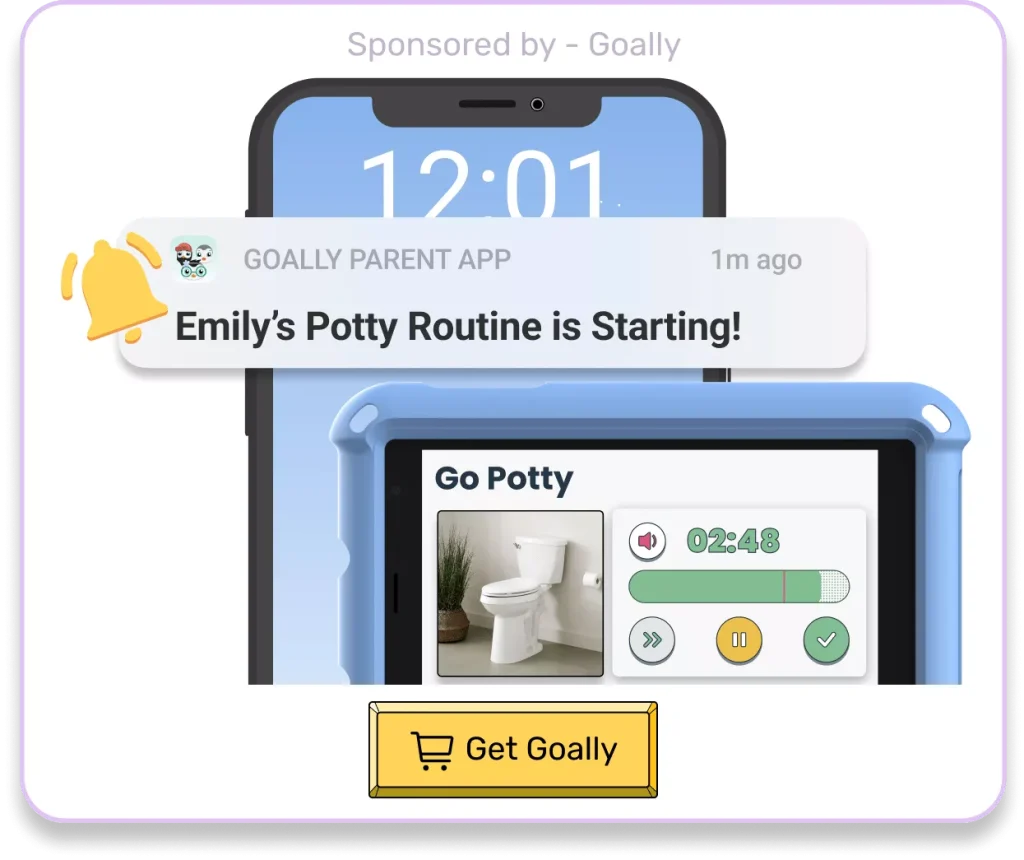
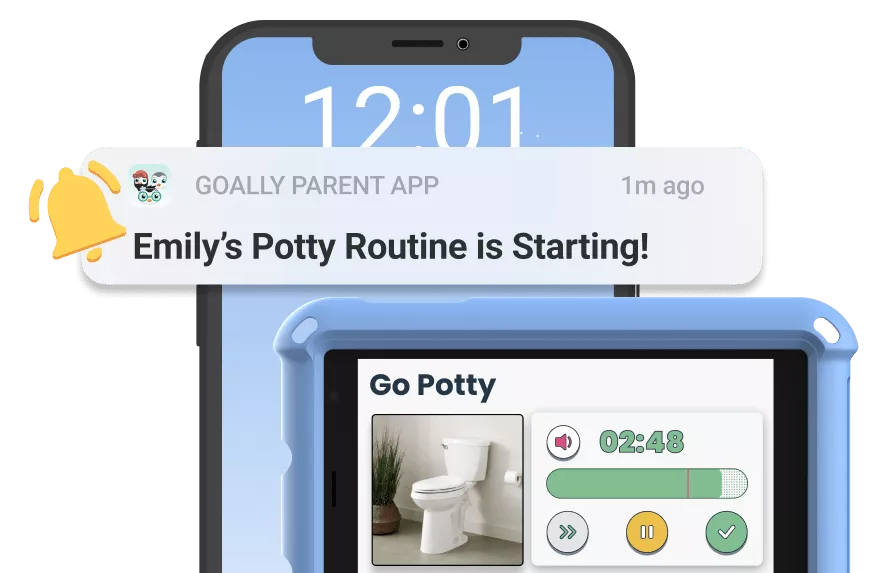
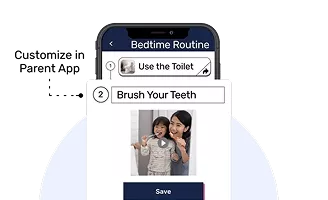
Does your child struggle with getting ready in the morning independently? Goally’s routine app on the best tablet for kids breaks down large tasks into small, achievable steps for autistic kids. Create custom routines with your own videos & pictures for every step.
Understanding autism is a journey requiring patience, compassion, and continuous learning. By embracing neurodiversity, we can support autistic kids in leading fulfilling and happy lives.
Helpful Resources
FAQ’s About 10 Things You Should Know About Autism
What is autism?
Autism is a neurodevelopmental disorder characterized by challenges with social interaction, communication, and repetitive behaviors.

At what age can autism be diagnosed?
Autism can be diagnosed as early as 18 months, but many children receive a diagnosis around 2-3 years old.

What are common signs of autism in children?
Common signs include delayed speech, limited eye contact, and repetitive behaviors.

Can children with autism attend regular schools?
Yes, many children with autism attend regular schools with appropriate support and accommodations.

Are there effective treatments for autism?
Yes, early intervention therapies like Applied Behavior Analysis (ABA) and speech therapy can be effective in supporting children with autism.

Emily is a seasoned blog writer for Goally, leveraging her extensive background in child psychology and special education to provide valuable insights and resources for parents. Her commitment to understanding and addressing the unique needs of these children, combined with her expertise in educational strategies, makes her a credible and empathetic voice for families.