

As a professional who works closely with kids, I often encounter the question, “Is autism a psychological disorder?” This is a common query from parents trying to understand their child’s needs. Autism Spectrum Disorder (ASD) is a neurodevelopmental condition characterized by challenges in social interactions, communication, and repetitive behaviors. This blog will explore what autism is, why it isn’t strictly a psychological disorder, and the best ways to support neurodivergent kids.
Table of Contents
Understanding Autism Spectrum Disorder (ASD)
Autism Spectrum Disorder (ASD) is a complex developmental condition that affects how a person communicates and interacts with others. It is called a “spectrum” disorder because it includes many symptoms and severity levels. Some individuals with autism may have significant challenges, while others might need less support.
Common symptoms of autism include difficulty with social interactions, delayed speech and language skills, and repetitive behaviors. These symptoms can appear early in childhood and vary greatly from one individual to another. Early diagnosis and intervention are crucial in helping autistic kids develop the necessary skills to navigate their world.
Goally | The Tablet for Neurodiverse Kids

Is Autism a Psychological Disorder?
While autism affects behavior and mental processes, it is not classified as a psychological disorder. Instead, autism is recognized as a neurodevelopmental disorder, meaning it stems from differences in brain development. These differences affect how individuals perceive and interact with the world around them.
Unlike psychological disorders, which typically develop later in life and can result from emotional or mental trauma, neurodevelopmental disorders like autism are present from early childhood. This distinction is important for understanding the nature of autism and the best approaches to support and intervention.
Differences Between Neurodevelopmental and Psychological Disorders
Neurodevelopmental disorders, such as autism, involve atypical brain development that impacts cognitive, social, and emotional functioning. These disorders are typically identified in early childhood and are characterized by developmental delays or differences. Examples include ADHD, learning disabilities, and intellectual disabilities.
Psychological disorders, on the other hand, often emerge later in life and are associated with emotional or mental health challenges. These can include anxiety disorders, depression, and schizophrenia. Understanding these differences helps clarify why autism is not classified as a psychological disorder.
Read more: Is ADHD a Neurodevelopmental Disorder?
The Importance of Early Diagnosis and Intervention
Early diagnosis and intervention are crucial for children with autism. Identifying autism at a young age allows for early intervention programs that can significantly improve outcomes. These programs may include speech therapy, occupational therapy, and behavioral interventions to enhance communication, social skills, and daily living skills.
Research shows that children who receive early and intensive interventions are more likely to develop essential skills and achieve greater independence. For parents, early diagnosis provides access to resources and support systems that can guide them in understanding and supporting their child’s unique needs.
Effective Interventions for Kids with Autism
Various evidence-based interventions can help autistic kids develop crucial skills. Applied Behavior Analysis (ABA) is one of the most well-known and widely used approaches. ABA focuses on teaching specific skills and reducing challenging behaviors through positive reinforcement.
Other effective interventions include speech therapy to improve communication skills, occupational therapy to enhance fine motor skills and daily living activities, and social skills training to help kids navigate social interactions. Each child with autism is unique, so it’s important to tailor interventions to meet their specific needs and strengths.

Creating a Supportive Environment at Home
Creating a supportive environment at home is essential for children with autism. Consistent routines, clear expectations, and visual schedules can help reduce anxiety and provide structure. Tools like emotional regulation apps and reward systems can also support positive behaviors and emotional well-being.
It’s important to foster a positive and understanding atmosphere. Encourage open communication and provide opportunities for your child to express their feelings and preferences. Creating a supportive environment can help your child feel safe and valued, essential for their emotional well-being.
Working with Schools and Therapists
Collaboration with schools and therapists is key to supporting your child’s development. Schools can provide individualized education plans (IEPs) tailored to your child’s needs, while therapists can offer specialized interventions. Regular communication with educators and therapists ensures your child receives consistent support across different settings.
Building strong partnerships with teachers and therapists can help create a cohesive support system. Sharing insights and strategies can lead to more effective interventions and better outcomes for your child. It’s also important to advocate for your child’s needs and ensure they receive the necessary accommodations and services.
Table: Differences Between Neurodevelopmental and Psychological Disorders
| Characteristic | Neurodevelopmental Disorders | Psychological Disorders |
|---|---|---|
| Onset | Early childhood | Often later in life |
| Cause | Brain development differences | Emotional or mental health challenges |
| Examples | Autism, ADHD, learning disabilities | Anxiety disorders, depression, schizophrenia |
| Interventions | Early intervention programs, behavioral therapies | Psychotherapy, medication, counseling |
Goally | Visual Scheduler for Autism
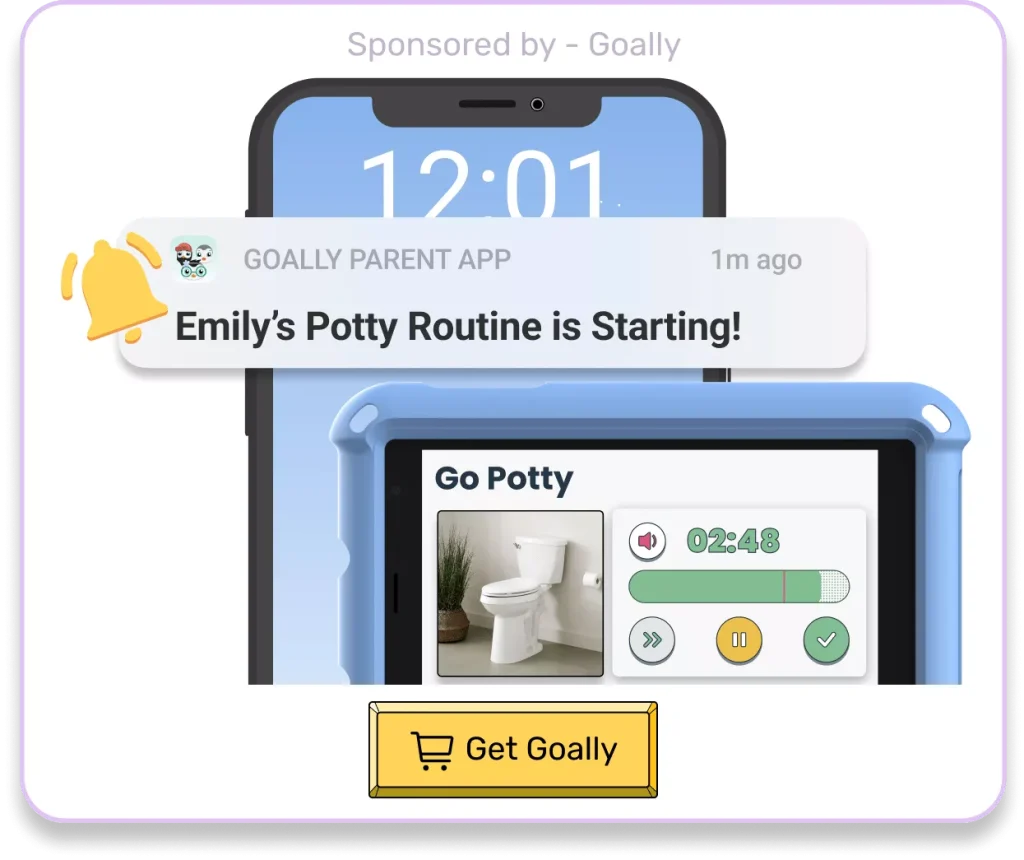
Does your child struggle with getting ready in the morning independently? Goally’s routine app on the best tablet for kids breaks down large tasks into small, achievable steps for autistic kids. Create custom routines with your own videos & pictures for every step.
In summary, autism is a neurodevelopmental disorder, not a psychological one. Understanding this distinction helps in providing the right support and interventions for kids with autism. Early diagnosis, tailored interventions, and a supportive environment are crucial for helping neurodivergent kids thrive. Parents can ensure their children receive the best possible care and support by working closely with schools, therapists, and other professionals.
Helpful Resources
FAQ’s About Is Autism a Psychological Disorder
What is autism?
Autism is a neurodevelopmental disorder characterized by challenges in social interaction, communication, and repetitive behaviors.

Is autism considered a psychological disorder?
No, autism is classified as a neurodevelopmental disorder, not a psychological disorder.

How does autism differ from psychological disorders?
Autism involves differences in brain development, while psychological disorders typically involve emotional or mental health issues.

Can autism be diagnosed in early childhood?
Yes, autism can often be diagnosed in early childhood through developmental screenings and assessments.

What are common interventions for children with autism?
Common interventions include behavioral therapies, speech therapy, occupational therapy, and educational support.

Emily is a seasoned blog writer for Goally, leveraging her extensive background in child psychology and special education to provide valuable insights and resources for parents. Her commitment to understanding and addressing the unique needs of these children, combined with her expertise in educational strategies, makes her a credible and empathetic voice for families.




