Trusted by 100,000+ Families

What is Pervasive Developmental Disorder-Not Otherwise Specified (PDD-NOS)?

Home>>Neurodiversopedia>>P Terms

Summary

summary

PDD-NOS stands for Pervasive Developmental Disorder-Not Otherwise Specified. It’s a type of autism spectrum disorder where a child has some but not all the symptoms of autism. Kids with PDD-NOS have challenges with communication, social skills, and behavior.

Frequently Asked Question

donut

How is PDD-NOS diagnosed?

PDD-NOS is diagnosed by a team of healthcare professionals, including doctors, psychologists, and therapists, based on a comprehensive evaluation of the individual’s development and behavior.

How is PDD-NOS treated?

Treatment for PDD-NOS may include therapy, such as speech therapy, occupational therapy, or behavioral therapy, as well as medication, educational support, and community resources.

How does PDD-NOS affect daily life?

The impact of PDD-NOS on daily life can vary greatly, but individuals with PDD-NOS may struggle with social skills, communication, and changes in routine, and may require support in these areas. With the right support, many people with PDD-NOS can lead happy and successful lives.

Scientific Definition

scientist

Pervasive Developmental Disorder-Not Otherwise Specified (PDD-NOS) is a neurodevelopmental disorder that was previously a separate diagnosis but is now included under the umbrella of autism spectrum disorder (ASD). PDD-NOS is characterized by impairments in social interaction, communication, and restricted or repetitive behaviors that do not meet the full diagnostic criteria for other pervasive developmental disorders like autistic disorder or Asperger’s syndrome. It’s estimated that PDD-NOS affects about 15 per 10,000 children.

Helpful Resources:
Autism Speaks
Centers for Disease Control and Prevention (CDC)
National Autism Center

Video Explanation

video-explanation

Treatment for PDD-NOS

Treatment for PDD-NOS typically includes:

With early intervention and ongoing support, many children with PDD-NOS can make significant progress and lead fulfilling lives. Long-term outcomes vary, but most benefit from continued therapies and accommodations at school and work.

Symptoms of PDD-NOS

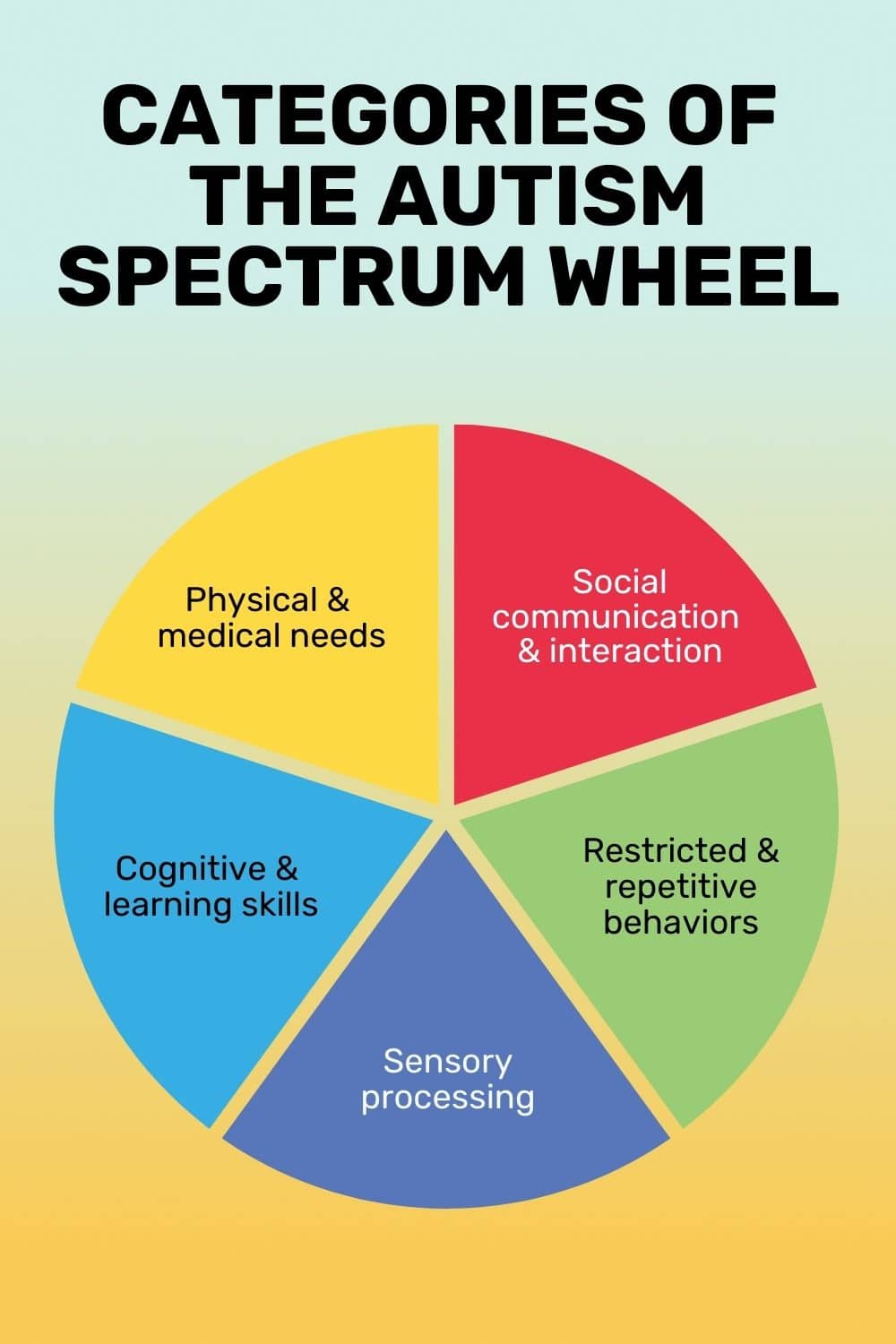
Children with PDD-NOS have some but not all the symptoms of autism. Common signs include:

Social challenges Difficulty making friends, understanding social cues
Communication issues Delayed speech, trouble with conversation
Repetitive behaviors Hand flapping, lining up toys, strict routines
Narrow interests Very focused on specific topics

Symptoms can range from mild to severe and may change as a child grows. If you notice signs of PDD-NOS, talk to your child’s doctor. Early diagnosis and treatment can make a big difference.