As a licensed practitioner working with kids, I often get asked, Is autism neurological? This question is crucial for parents trying to understand the nature of autism and how it affects their kids. In this blog, I’ll explain the neurological basis of autism, provide insights into how it influences behavior and learning, and offer practical advice on supporting neurodivergent kids.
Table of Contents
Understanding Autism as a Neurological Condition
Autism is a complex developmental disorder that affects the brain’s normal development of social and communication skills. It is characterized by brain structure and function differences, which influence how a person perceives and interacts with the world. The neurological basis of autism stems from atypical brain development, impacting various cognitive and behavioral functions.
Research has shown that kids with autism often have differences in the size and connectivity of certain brain regions. These differences can affect everything from sensory processing to emotional regulation. Understanding these neurological aspects can help us better support neurodivergent kids in their daily lives.
Signs and Symptoms of Autism
Social Communication Challenges
One of the hallmark signs of autism is difficulty with social communication. This can manifest as challenges in understanding social cues, maintaining eye contact, or engaging in typical back-and-forth conversations. Kids with autism might also struggle with understanding and expressing emotions, which can impact their relationships with peers and family members.
Goally | The Tablet for Neurodiverse Kids

Repetitive Behaviors and Restricted Interests
Many kids with autism display repetitive behaviors or have highly focused interests. These behaviors can include repeating the same actions or phrases, an intense interest in specific topics, or a need for routine and predictability. While these traits can sometimes be challenging, they can also be harnessed to create supportive and structured learning environments.
Neurological Differences in Autism
Brain Structure and Connectivity
Studies using brain imaging techniques have identified differences in the structure and connectivity of the brains of kids with autism. These differences can include variations in the size of certain brain regions, such as the amygdala and hippocampus, which are involved in processing emotions and memory. Additionally, the way different parts of the brain communicate with each other can be altered in autism.
Sensory Processing Differences
Many autistic kids experience sensory processing differences, meaning they might be hypersensitive or hypersensitive to sensory input. This can affect their responses to sounds, lights, textures, and other sensory stimuli. Understanding these sensory processing differences is crucial for creating supportive environments that accommodate the unique needs of each child.

Read more: Neurological Learning Disabilities
Supporting Neurodivergent Kids
Using Visual Schedules
Visual schedules can be a powerful tool for helping autistic kids understand and manage their daily routines. Visual schedules can reduce anxiety and increase predictability by providing a visual representation of the day’s activities. These tools can be customized to meet each child’s specific needs, incorporating pictures, icons, or written words.
Emotional Regulation Apps
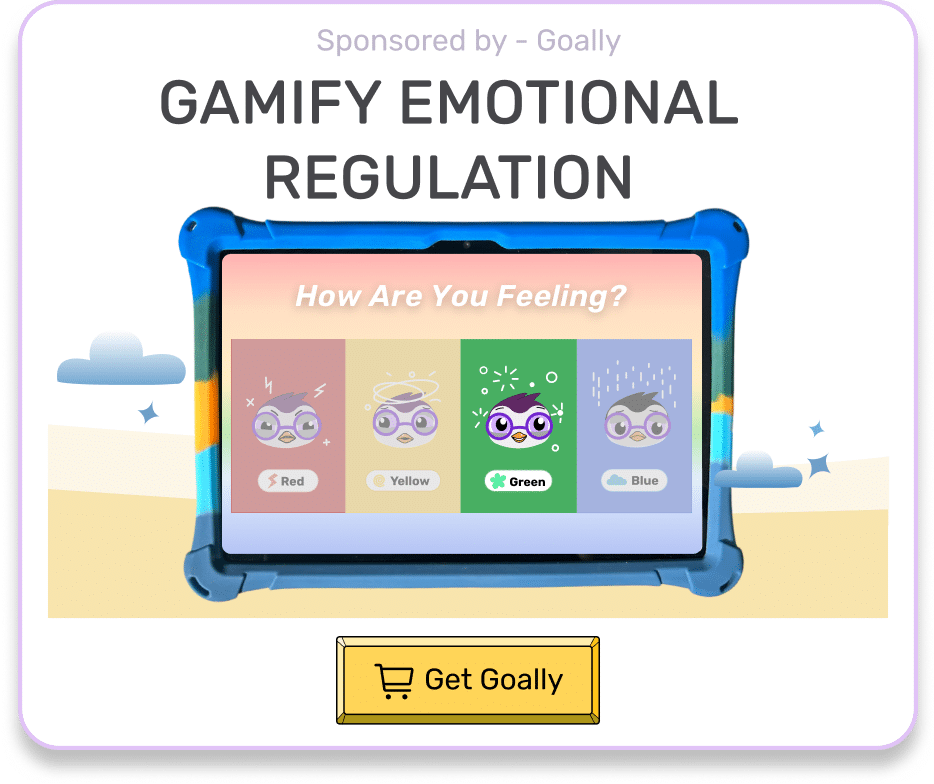
Technology can also support kids with autism, particularly through emotional regulation apps. These apps can help kids identify and manage their emotions, providing interactive activities and calming techniques. Parents can help their kids develop essential coping skills by integrating these tools into daily routines.
Role of Genetics in Autism
Genetic Factors
Genetics plays a significant role in the development of autism. Research has identified numerous genes associated with autism, suggesting that a combination of genetic variations can increase the likelihood of developing the condition. While genetics are a critical factor, they interact with environmental influences in complex ways that researchers are still working to understand.
Environmental Influences
In addition to genetics, environmental factors can also contribute to the development of autism. These can include prenatal factors, such as maternal health and exposure to toxins, and postnatal factors, like early childhood experiences. Understanding the interplay between genetics and the environment is key to comprehending autism’s origins.
Importance of Early Diagnosis and Intervention
Benefits of Early Diagnosis
Early diagnosis of autism is crucial for accessing timely and effective interventions. Identifying autism at a young age allows for early support and tailored therapies that can significantly improve outcomes. Early intervention can help kids develop critical social, communication, and adaptive skills, setting the stage for greater independence and success.
Types of Early Interventions
There are various types of early interventions available for kids with autism. These can include behavioral therapies, speech and language therapy, occupational therapy, and social skills training. Each type of intervention can be customized to address the specific needs and strengths of the child, providing comprehensive support for their development.

Read more: What Causes a Child to Have ADHD?
Understanding Comorbid Conditions
Common Comorbidities
Many kids with autism also experience comorbid conditions, such as anxiety, ADHD, or epilepsy. These conditions can complicate the presentation and management of autism, requiring a comprehensive approach to care. Addressing comorbidities is essential for improving the overall well-being and quality of life for kids with autism.
Integrated Care Approaches
An integrated care approach that addresses both autism and its comorbid conditions can provide the most effective support for kids. This can involve collaboration between healthcare providers, including pediatricians, neurologists, and mental health professionals. These specialists can create a coordinated plan that meets all aspects of the child’s needs by working together.
Goally | Visual Scheduler for Autism
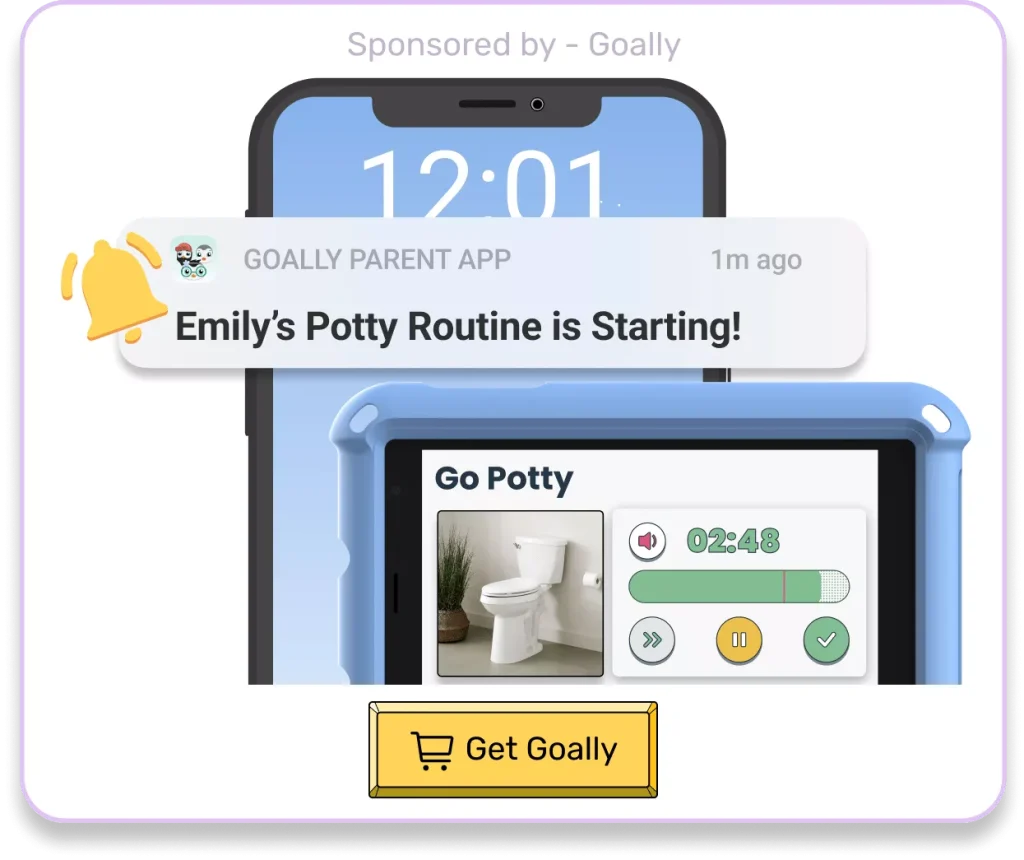
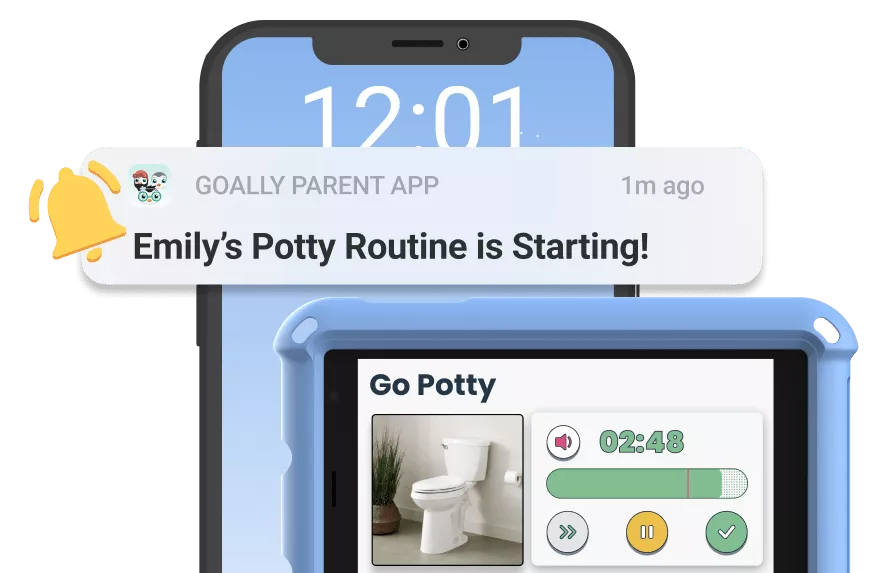
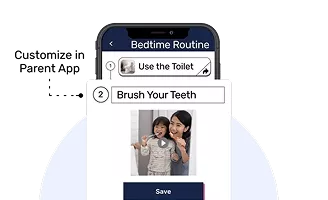
Does your child struggle with getting ready in the morning independently? Goally’s routine app on the best tablet for kids breaks down large tasks into small, achievable steps for autistic kids. Create custom routines with your own videos & pictures for every step.
Understanding autism as a neurological condition helps parents and caregivers better support neurodivergent kids. Recognizing the neurological differences, early signs, and effective interventions can help your child thrive and reach their full potential.
Helpful Resources
FAQ’s About Is Autism Neurological
Is autism neurological ?
Yes, autism is a neurological condition affecting brain development.

What neurological differences are seen in autism ?
Individuals with autism often have differences in brain structure and connectivity.

How does autism affect brain function ?
Autism impacts how different parts of the brain communicate and process information.

Can neurological treatments help with autism  ?
Certain neurological therapies and interventions can help manage symptoms of autism.

Why is autism considered a neurological disorder  ?
Autism is considered neurological because it involves differences in the nervous system and brain function.

Emily is a seasoned blog writer for Goally, leveraging her extensive background in child psychology and special education to provide valuable insights and resources for parents. Her commitment to understanding and addressing the unique needs of these children, combined with her expertise in educational strategies, makes her a credible and empathetic voice for families.