Working with kids and their families, I’ve often been asked, “Is autism a mental health condition?” This question is crucial because it touches on how we understand, support, and address the needs of neurodivergent individuals. Autism, or Autism Spectrum Disorder (ASD), is a developmental condition that affects social interaction, communication, interests, and behavior. In this blog, we will explore the nature of autism, its classification, and why it is essential to distinguish it from mental health conditions. We’ll delve into the history and the impact of this classification on treatments and perceptions and provide practical insights for parents and caregivers.
Table of Contents
Understanding Autism: A Developmental Condition
Autism Spectrum Disorder (ASD) is primarily recognized as a neurodevelopmental condition. This means it involves differences in brain development that manifest early in life, typically before age three. Unlike mental health conditions, which can develop at any stage of life, neurodevelopmental conditions are present from early childhood.
ASD is characterized by challenges in social communication and interaction and restricted, repetitive behaviors, interests, or activities. These characteristics differentiate autism from other mental health conditions, emphasizing the developmental aspect rather than the psychological one.
The Historical Perspective
The distinction between autism and mental health conditions has evolved over time. When Leo Kanner first described autism in 1943, it was initially thought to be a form of childhood schizophrenia. However, as understanding improved, autism was recognized as a distinct neurodevelopmental condition.
The separation from mental health conditions became more pronounced with the publication of the DSM-III in 1980, which included autism under pervasive developmental disorders. This classification helped to clarify that autism is not a mental health disorder but a developmental one.

Current Classification in DSM-5
The DSM-5, published in 2013, consolidated various autism-related diagnoses into a single category: Autism Spectrum Disorder (ASD). This classification emphasizes the spectrum nature of autism, recognizing that symptoms and their severity can vary widely among individuals.
By placing ASD under neurodevelopmental disorders, the DSM-5 reinforces the understanding that autism is related to brain development and not a mental health condition. This categorization aids in appropriate diagnosis and tailored interventions.
Why the Distinction Matters
Understanding that autism is a neurodevelopmental condition rather than a mental health disorder is essential for several reasons. Firstly, it guides appropriate treatment and interventions. Neurodevelopmental conditions require different approaches compared to mental health conditions, focusing on developmental support rather than psychiatric treatment.
Secondly, this distinction helps in reducing stigma. Mental health conditions often carry significant societal stigma. Recognizing autism as a developmental difference rather than a mental illness can promote acceptance and inclusion of neurodivergent individuals.
Impact on Treatment and Support
Interventions for autism focus on supporting development and enhancing quality of life. These include Applied Behavior Analysis (ABA), speech therapy, occupational therapy, and social skills training. These therapies aim to build skills and support the unique needs of individuals with autism.
In contrast, treatments for mental health conditions often involve psychotherapy, medication, and other psychiatric interventions. Understanding autism as a neurodevelopmental condition ensures that individuals receive the appropriate type of support and services.

Autism and Co-occurring Mental Health Conditions
It is important to note that while autism itself is not a mental health condition, individuals with autism can experience co-occurring mental health conditions such as anxiety, depression, or ADHD. These co-occurring conditions require careful diagnosis and tailored treatment plans that address both the autism and the mental health condition.
Practical support for individuals with autism often involves a multidisciplinary approach, incorporating developmental and mental health perspectives to provide comprehensive care.
Practical Insights for Parents and Caregivers
Understanding the distinction between autism and mental health conditions can help parents and caregivers advocate effectively for their child’s needs. Here are some practical tips:
- Early Intervention: Seek early intervention services if you notice developmental differences in your child. Early support can significantly impact development.
- Individualized Education Plans (IEPs): Work with your child’s school to develop an IEP that addresses their unique needs and supports their learning and development.
- Therapies and Support: Engage in therapies that focus on building skills and supporting development, such as ABA, speech therapy, and occupational therapy.
- Mental Health Support: Be aware of potential co-occurring mental health conditions and seek appropriate support from professionals experienced in working with neurodivergent individuals.
- Advocacy: Advocate for your child’s needs in educational and healthcare settings, ensuring they receive the support and services they require.
The Importance of Awareness and Education
Raising awareness and educating others about autism as a neurodevelopmental condition is crucial. Misunderstanding autism as a mental health disorder can lead to inappropriate interventions and increased stigma. By spreading accurate information, we can promote acceptance and support for neurodivergent individuals.
Parents and caregivers play a vital role in this education process. Sharing accurate information with family members, friends, and educators can help create a supportive environment for your child.
Research and Future Directions
Ongoing research continues to enhance our understanding of autism and its underlying mechanisms. Advances in genetics, neuroimaging, and developmental science provide new insights into the causes and best practices for supporting individuals with autism.
Future research aims to improve early detection, develop more effective interventions, and explore the biological and environmental factors contributing to autism. Staying informed about these advancements can empower parents and caregivers with the latest knowledge and resources.
Goally is a valuable resource for clinicians who are looking for ways to support children with speech and language problems.
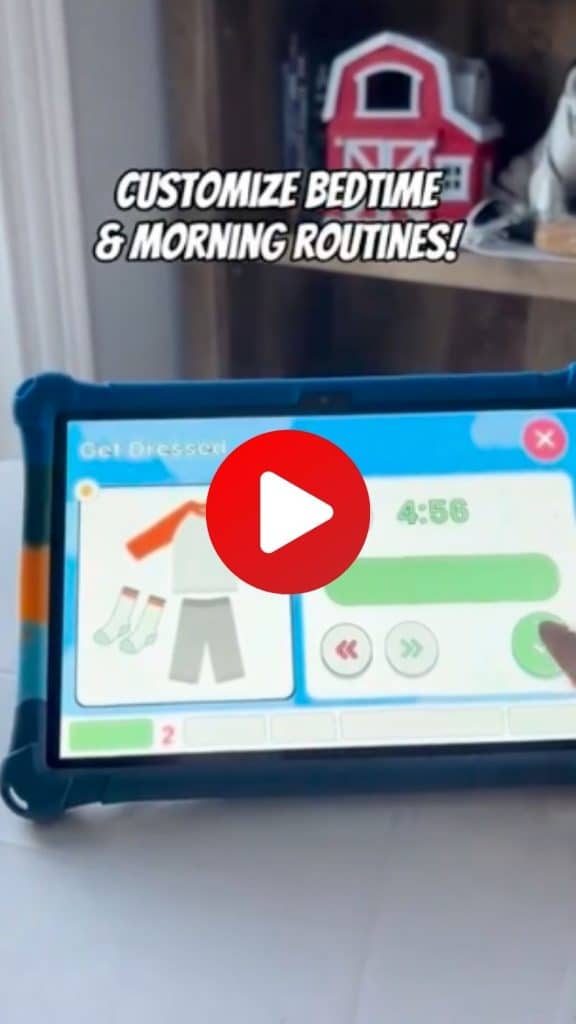
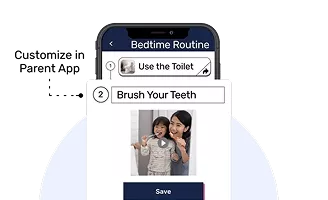
- Individualized Instruction. Goally can be easily customized to meet the specific needs of each child supporting the skills that they need most, at each child’s own pace.
- Increased Engagement. Goally is a fun and interactive tool that can help children stay engaged while learning.
- Improved Communication. Goally helps children learn to effectively communicate wants and needs, and allows children to participate in the world around them.
- Bonus: Goally’s Core Word Lessons teaches kids their first 50 words through video modeling and interactive practice.
Goally’s distraction-free kid’s tablet can be used as a therapy tool to help teach executive function, language, emotional regulation, finger dexterity skills, and more!
Autism, or Autism Spectrum Disorder (ASD), is a neurodevelopmental condition that affects social interaction, communication, and behavior. Recognizing autism as a developmental difference rather than a mental health condition is essential for providing appropriate support and reducing stigma. Understanding this distinction helps guide effective interventions, promotes acceptance, and ensures that individuals with autism receive the care and support they need. By staying informed and advocating for your child’s unique needs, you can help them thrive and reach their full potential.
Helpful Resources
- CDC: Autism Spectrum Disorder
- National Institute of Mental Health: Autism Spectrum Disorder
- National Autistic Society
FAQ’s About Is Autism a Mental Health Condition
Is autism a mental health condition?
Autism is a neurodevelopmental condition, not a mental health condition.

What is the difference between autism and a mental health condition?
Autism affects brain development, while mental health conditions impact mood, thinking, and behavior.

Can autism and mental health conditions co-occur?
Yes, individuals with autism can also have mental health conditions like anxiety or depression.

How is autism diagnosed?
Autism is diagnosed through developmental screenings and comprehensive evaluations by professionals.

Why is it important to distinguish autism from mental health conditions?
Distinguishing autism from mental health conditions ensures appropriate interventions and reduces stigma.

Emily is a seasoned blog writer for Goally, leveraging her extensive background in child psychology and special education to provide valuable insights and resources for parents. Her commitment to understanding and addressing the unique needs of these children, combined with her expertise in educational strategies, makes her a credible and empathetic voice for families.