Recent reports have shed light on a troubling trend: discrimination against autism in school is on the rise. As someone who has worked closely with neurodivergent kids, I’ve witnessed firsthand the challenges these students face. From exclusion from classroom activities to inadequate support services, the issues are manifold and deeply concerning. This article looks into the current state of autism discrimination in educational settings, exploring its forms, impacts, and potential solutions. You’ll gain insights into how to recognize signs of discrimination and steps you can take to advocate for your child’s rights. Understanding this issue is crucial for ensuring equal educational opportunities for all students, regardless of their neurological differences.
Table of Contents
The Reality of Autism Discrimination in Schools
Discrimination against autism in school takes many forms, often subtle but no less damaging. I’ve seen cases where students with autism are excluded from field trips, group projects, or even classroom discussions due to misconceptions about their abilities.
One particularly heartbreaking instance involved a bright 8-year-old boy with autism who was consistently left out of class presentations. His teacher claimed he couldn’t participate effectively despite his excellent written work. This kind of exclusion hinders academic progress and impacts social development and self-esteem.
Legal Protections and Their Shortcomings
While laws like the Individuals with Disabilities Education Act (IDEA) exist to protect students with autism, enforcement often falls short. Many schools need help with proper implementation due to a lack of resources or understanding.
I’ve worked with families fighting tooth and nail for their children to receive legally mandated accommodations. In one case, a parent had to threaten legal action before the school would provide her daughter with a trained aide, as specified in her Individualized Education Program (IEP). These battles are exhausting for families and detrimental to students who miss out on crucial support.
Goally | The Tablet for Neurodiverse Kids

The Impact on Students and Families
The effects of discrimination against autism in school extend far beyond the classroom. Students may develop anxiety, depression, or behavioral issues as a result of constant struggles in an unsupportive environment.
I remember a 10-year-old girl who began refusing to go to school altogether. After some investigation, we discovered she was being regularly bullied for her autistic traits, with little intervention from staff who dismissed her experiences as “just kids being kids.” The emotional toll on both the child and her family was immense, requiring extensive therapy and a school transfer to address.
Addressing Misconceptions and Stigma
At the root of much discrimination is a fundamental misunderstanding of autism. Many educators and administrators still cling to outdated notions or stereotypes about what autism looks like and what autistic students are capable of.
Education and awareness are crucial to combating this issue. I’ve seen significant improvements in schools implementing comprehensive autism awareness programs for staff and students. These initiatives help create a more inclusive environment where neurodiversity is understood and valued.

Read more: Autism Inclusion in Schools | Teachers Guide
The Role of Teacher Training
Proper teacher training is crucial in addressing discrimination against autism in school. Many educators lack the knowledge and tools to effectively support autistic students in their classrooms.
I’ve collaborated with schools to develop training programs focusing on understanding autism, implementing effective teaching strategies, and creating inclusive classroom environments. The results have been remarkable, with teachers reporting increased confidence in supporting autistic students and fewer instances of unintentional discrimination.
Empowering Autistic Students
While addressing systemic issues is crucial, it’s equally important to empower autistic students themselves. Teaching self-advocacy skills can be a powerful tool in combating discrimination.
I’ve worked with kids to help them understand their rights, communicate their needs effectively, and stand up for themselves when faced with unfair treatment. It’s incredible to see the boost in confidence and self-esteem that comes with feeling empowered to advocate for oneself.
Collaborative Approaches to Inclusion
Effective inclusion requires a collaborative effort between educators, parents, and students. Schools that adopt a team approach to supporting autistic students often see the best outcomes.
I’ve facilitated meetings between parents, teachers, and administrators to develop comprehensive support plans. When everyone is on the same page and working towards common goals, discrimination tends to decrease significantly.
The Importance of Early Intervention
Early identification and intervention can play a crucial role in preventing discrimination against autism in school. The sooner a child’s needs are recognized and addressed, the better-equipped schools can provide appropriate support.
I’ve seen remarkable progress in children receiving targeted support early on. These kids often develop more vital coping skills and can better advocate for themselves as they progress through their education.
Leveraging Technology for Inclusion
Technology can be a powerful tool in combating discrimination and promoting inclusion. From apps that aid communication to software that helps with organization and focus, numerous technological solutions can level the playing field for autistic students.

I’ve worked with schools to implement assistive technologies that have transformed the educational experience for autistic students. These tools not only support learning but also help showcase the unique strengths and abilities of these kids, challenging discriminatory assumptions about their capabilities.
Moving Forward: A Call to Action
Addressing discrimination against autism in school requires ongoing effort and vigilance. As awareness grows and strategies improve, we can create genuinely inclusive educational environments where all students can thrive.
Goally | Apps To Support Child Development
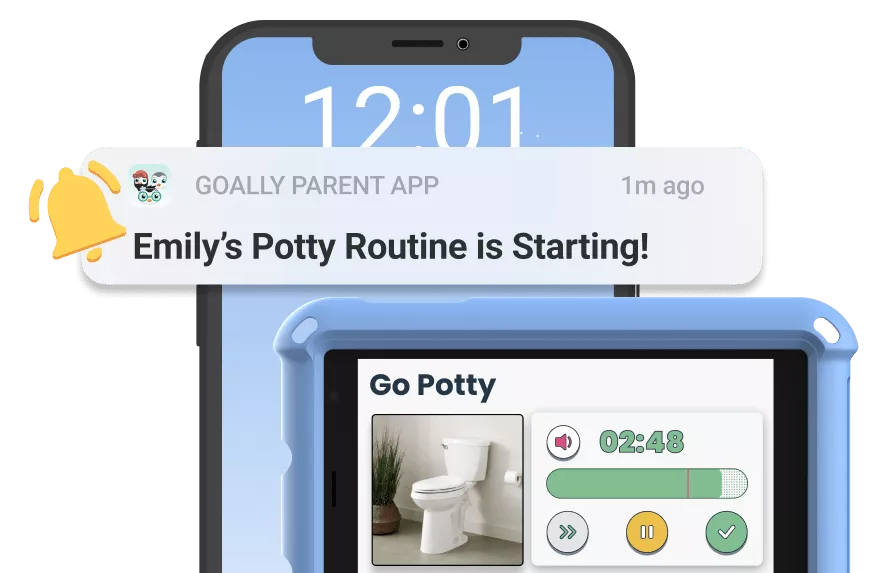
Looking for fun ways to help your child learn life skills? Try Goally! The Goally tablet comes with award-winning learning apps and video classes to help kids develop the skills they need to become independent with FUN & evidence-based practices.

Our apps teach executive function, language, emotional regulation, finger dexterity skills, and more.
As your child develops new skills, you can increase the difficulty level of the tasks in the app to challenge and motivate them even further. This helps your child grow and progress at their own pace, while also keeping them engaged and excited about their development.

Parents, educators, and advocates must continue pushing for better policies, training, and understanding. By working together and staying informed, we can help ensure that autistic students receive the support and respect they deserve in their educational journeys.
Helpful Resources
FAQ’s About Discrimination Against Autism in School
What is discrimination against autism in school?
Discrimination against autism in school involves unfair treatment, exclusion, or lack of appropriate support for students with autism spectrum disorders.

How can parents recognize signs of autism discrimination in school?
Signs include exclusion from activities, inadequate accommodations, bullying, or dismissal of the child's needs by staff.

What laws protect autistic students from discrimination?
The Individuals with Disabilities Education Act (IDEA) and Section 504 of the Rehabilitation Act protect autistic students' rights to fair education.

How can schools prevent discrimination against autistic students?
Schools can prevent discrimination through staff training, implementing inclusive policies, and providing appropriate accommodations and support services.

What should parents do if they suspect their autistic child is facing discrimination at school?
Parents should document incidents, communicate with school administrators, and consider seeking advocacy support or legal advice if necessary.

Emily is a seasoned blog writer for Goally, leveraging her extensive background in child psychology and special education to provide valuable insights and resources for parents. Her commitment to understanding and addressing the unique needs of these children, combined with her expertise in educational strategies, makes her a credible and empathetic voice for families.