I’ve been there, searching for answers just like you. Working with kids has shown me how common ADHD is—it affects millions of children worldwide. In this blog post, I want to share what I’ve learned about the typical age range for an ADHD diagnosis, the signs and symptoms to watch for, and the steps you can take if you think your child might have ADHD. Early intervention is crucial, and a timely diagnosis can make a big difference. Let’s explore this topic together and find the answers we need!
Table of Contents
ADHD Diagnosis: The Age Range
Firstly, it’s essential to understand that ADHD can be diagnosed at various ages. However, the majority of diagnoses occur between the ages of 4 and 17. That said, some kids may exhibit symptoms earlier, while others may not receive a diagnosis until adulthood. The key is to be vigilant and proactive in observing your child’s behavior and seeking professional help if needed.
Here’s a quick overview of the typical age range for ADHD diagnosis:
| Age Range | Percentage of Diagnoses |
|---|---|
| 4-11 years | 60% |
| 12-17 years | 30% |
| 18+ years | 10% |

Read more: Causes of ADHD | What We Know Today
Early Signs and Symptoms
For instance, some early signs of ADHD in young children may include:
- Difficulty paying attention
- Impulsivity
- Hyperactivity
- Difficulty following instructions
- Struggling with organization
- Excessive talking or interrupting
It’s important to note that these symptoms can also be typical of childhood development. However, if they persist or worsen over time, it may be an indication of ADHD.
Steps to Take If You Suspect ADHD
So, what should you do if you suspect your child may have ADHD? Here’s a step-by-step guide:
- Observe and document: Keep a record of your child’s behavior, noting any patterns or concerns.
- Consult with professionals: Speak with your child’s teacher, pediatrician, or a mental health professional about your concerns.
- Seek an evaluation: If recommended, have your child undergo a comprehensive evaluation by a qualified professional.
- Develop a plan: If your child is diagnosed with ADHD, work with professionals to create a tailored treatment plan.
Remember, early intervention is crucial for kids with ADHD. Timely diagnosis and treatment can significantly improve their quality of life and long-term outcomes.

Read More: Best Visual Schedule App for Kids
The Importance of Early Intervention
Above all, early intervention is vital for kids with ADHD. Research shows that early diagnosis and treatment can lead to better academic performance, improved social skills, and reduced risk of secondary issues such as anxiety and depression. In other words, the sooner you address your child’s ADHD, the better their chances of success in life.
Read More: Testing For ADHD
Benefits of Timely Diagnosis
Some of the benefits of a timely ADHD diagnosis include:
- Access to appropriate educational accommodations
- Improved self-esteem and confidence
- Development of coping strategies and skills
- Reduced risk of co-occurring mental health issues
- Better long-term outcomes in academics, relationships, and career
Ultimately, a timely diagnosis empowers your child and your family to navigate the challenges of ADHD with confidence and support.
Try Goally For Your Child With ADHD
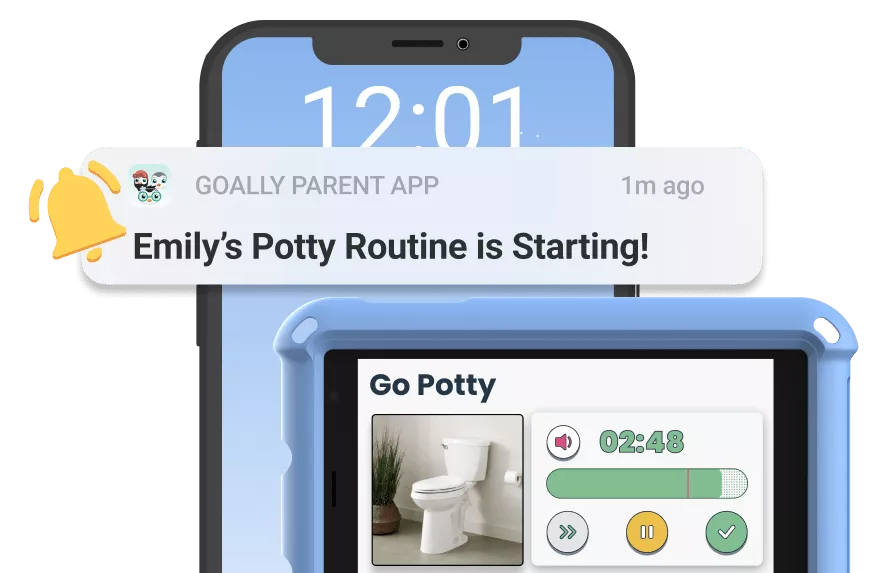
Goally helps kids with ADHD stay focused and build skills. Unlike a Kindle or an iPad that kids get easily distracted on, Goally has no YouTube, no social media, no web browser, and especially no ads.
Goally uses game play as a points-based motivator for your kiddo with ADHD and helps them learn emotional regulation skills. It’s simple to set up and has an expert-informed design.

Knowledge Is Power
To sum up, while there’s no definitive age for ADHD diagnosis, most kids are diagnosed between the ages of 4 and 17. By being proactive and vigilant in observing your child’s behavior, you can ensure they receive the help they need as early as possible. Early intervention is key to helping your child thrive, both academically and socially. So, stay informed, trust your instincts, and don’t hesitate to seek professional help if you suspect your child may have ADHD. Knowledge is power, and with the right support, your neurodivergent child can achieve great things.
FAQs About What Age ADHD Is Diagnosed
At what age can a child be diagnosed with ADHD?
ADHD is typically diagnosed as early as the age of 4, but it is often diagnosed in children around the age of 7.
Can ADHD be diagnosed in toddlers?
Although it's uncommon, ADHD can be diagnosed in toddlers who exhibit extreme symptoms; however, it's more typically diagnosed at school age.
What signs might indicate my child has ADHD?
Signs of ADHD can include constant daydreaming, forgetfulness, talking excessively, making careless mistakes, having difficulty resisting temptation, and taking unnecessary risks.
Who can diagnose ADHD in a child?
Typically, psychologists, psychiatrists, pediatricians, and other medical professionals who specialize in child development can diagnose ADHD.
What is the process for diagnosing ADHD in a child?
The process involves a comprehensive evaluation including medical exams, interviews, behavior rating scales, and a review of the child's social, emotional, and academic functioning.
This post was originally published on 05/22/2023. It was updated on 07/16/2024.

Emily is a seasoned blog writer for Goally, leveraging her extensive background in child psychology and special education to provide valuable insights and resources for parents. Her commitment to understanding and addressing the unique needs of these children, combined with her expertise in educational strategies, makes her a credible and empathetic voice for families.