Driving can be a path to independence for many neurodivergent kids, including those with autism. This guide explores how to assess readiness, provide support, and empower your child on their journey to driving success.
Key Takeaways:
- Driving Readiness: Assess motor skills, emotional regulation, focus, sensory processing, and communication to determine your child’s readiness for driving.
- Structured Learning: Use visual aids, routines, and professional guidance to help your child learn driving skills.
- Ongoing Support: Continue offering guidance, vehicle safety education, and check-ins after your child obtains their license.
Can people with autism drive, and how does it affect their driving ability?
Yes, many people with autism can drive; however, individual capabilities may vary, and driving skills should be assessed to ensure they can manage sensory sensitivity, focus, and other challenges effectively.
Table of Contents
The Autism Spectrum and Driving
Good news for parents! Many people with autism can indeed drive. However, it’s important to remember that autism is a spectrum disorder, so each person’s abilities and challenges are different. Some neurodivergent kids may find driving a breeze, while others may face greater obstacles.
Just like other kids, the ability to drive depends on their skills, attitude, and the support they receive. With the right guidance, many kids with thinking and learning differences can successfully learn to drive and gain independence.

Read more: Kids Autism Test
Green Light for Driving: Assessing Your Child’s Abilities
Before your child starts their engine, it’s crucial to see if they’re ready for driving. Here’s what to look for:
| Factor | Description | Importance in Driving |
|---|---|---|
| Motor Skills | Check your child’s coordination, dexterity, and fine motor skills. | These skills are essential for controlling the vehicle. |
| Emotions | Can your child handle stress and emotions while driving? | This skill is critical for reacting calmly and safely to driving situations. |
| Attention and Focus | Does your child have the ability to concentrate and stay focused? | Driving requires constant attention to the road, traffic, and surroundings. |
| Sensory Processing | Some kids with autism have issues with sensory input, like noise, lights, and vibrations. | Being able to process these stimuli is crucial for safe and comfortable driving. |
| Communication Skills | Can your child understand and follow driving rules and communicate with other drivers (e.g., using turn signals)? | Even if your child doesn’t talk much or at all, they need to communicate effectively while driving. |
To help you assess your child’s readiness, consider creating a simple checklist with these points. This visual aid can help you keep track of your child’s progress and make informed decisions on their driving journey.
Once you know your child is ready to learn to drive, use these tips to help them succeed:
- Start with basics: Teach your child about traffic rules, road signs, and signals. Use pictures and real-life examples to make learning fun.
- Go slow: Break driving down into smaller steps and focus on one skill at a time. This makes learning less overwhelming.
It’s important to establish a structured learning environment:
- Consistency and routine help kids with autism feel more comfortable and confident. Create a regular driving practice schedule and stick to it.
- Use visual aids like pictures, checklists, and step-by-step instructions to help kids with autism learn to drive.
- Get professional help: A driving instructor who knows how to work with neurodivergent kids can give special guidance and support to help your child learn to drive safely.
Read More: Why are Autistic Children Visual Learners?

Read more: Social Skills Test for Children
Ongoing Support and Safety Tips
Your child’s driving journey doesn’t stop when they get their license. Use these tips to make sure they keep driving safely:
- Keep learning: All drivers can benefit from learning more and practicing. Encourage your child to keep improving their skills and learning new thing
- Check in: Talk to your child often about how they feel driving and if they have any concerns or challenges.
Additionally, teach your child about vehicle safety:
- Vehicle Maintenance: Demonstrate how to properly take care of their car. Regular maintenance checks ensure the vehicle remains in optimal condition.
- Safety Recalls and Alerts: Stay updated on any potential safety recalls and alerts. These could impact the car’s functioning and, therefore, the driver’s safety.
If your child encounters difficulties or faces unfair treatment due to their driving abilities, be ready to assist. They should feel reassured that support is available when needed.
Goally | 100+ Streaming Video Classes
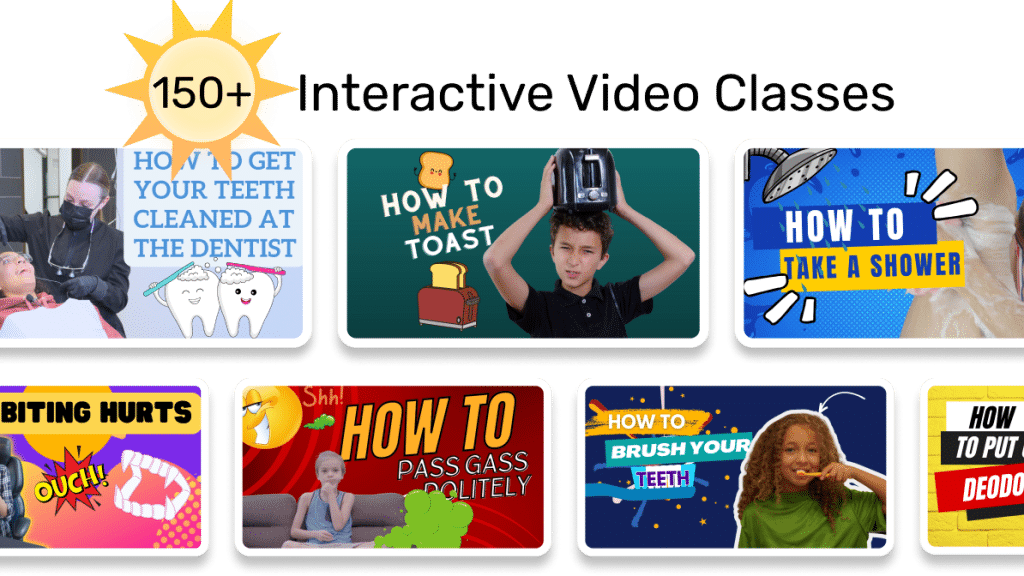
Does your child need some extra guidance on building essential life skills? Goally’s skill building tablet for kids includes a TV app that has the most robust video library of skills training videos for kids. Ranging from content like “How to Brush Your Teeth” to “How to Make Friends at School,” we have dozens of interactive video lessons for kids with thinking and learning differences.
HERE’s a video explaining how to works.
In the end, the answer to “Can people with autism drive?” depends on each person. With the right assessment, preparation, and support, many neurodivergent kids can learn to drive and enjoy the freedom it brings. Help your child by providing the tools, guidance, and encouragement they need to hit the road with confidence. Remember, every child’s journey is unique, and with your support, they can navigate the road to independence.
Helpful Resources
FAQs About Can People With Autism Drive?
Can people with autism learn to drive?
Yes, many people with autism can learn to drive. However, individual capabilities may vary and should be assessed.
How does autism affect driving ability?
Autism, such as sensory sensitivity or focus issues, can impact driving differently. However, many manage these challenges effectively with training and support.
Are there special driving instructors for people with autism?
Organizations like the Association for Driver Rehabilitation Specialists (ADED) help those with autism learn safe and independent driving.
What skills are important for a person with autism to drive?
Key skills include motor coordination, emotional regulation, attention and focus, sensory processing, and communication.
How can I support my child with autism in their driving journey?
You can provide support by teaching vehicle safety, staying informed about safety recalls, and ensuring a supportive environment if challenges arise.
This post was originally published on 04/15/2023. It was updated on 08/21/2024.

Emily is a seasoned blog writer for Goally, leveraging her extensive background in child psychology and special education to provide valuable insights and resources for parents. Her commitment to understanding and addressing the unique needs of these children, combined with her expertise in educational strategies, makes her a credible and empathetic voice for families.