As a child care worker, I’ve frequently witnessed children suddenly erupt in anger over trivial matters. Recognizing the signs and symptoms of anger issues is crucial for discerning between typical childhood tantrums and deeper concerns. This blog post will provide guidance for parents on identifying these signs, understanding root causes, and exploring effective strategies to manage and mitigate these episodes. We’ll also discuss how symptoms may manifest differently in neurodivergent children, equipping you with the knowledge to navigate these challenges with confidence and compassion. Let’s embark on this journey of understanding together.
Table of Contents
Recognizing the Signs and Symptoms of Anger Issues
As a professional who works with kids, I’ve seen firsthand how challenging it can be to differentiate between typical childhood behavior and signs of deeper issues. One key aspect to consider is the frequency and intensity of anger. If your child is often irritable and displays intense anger more frequently than their peers, this could indicate underlying anger issues. But let’s break it down further.
Irritability and Increased Tendency to Feel Angry
Irritability can often be a symptom of anxiety, and an increased tendency to feel angry may be a sign of stress. These are not isolated emotions; they are interconnected. Suppose your child often seems irritable, and this irritability often morphs into anger. In that case, it’s time to take a closer look.

Read more: Kids With Anger Issues | Parents Guide
Frequent and Intense Anger
Children, like adults, experience a range of emotions. However, if your child’s default emotion seems to be anger, it’s worth exploring further. Similarly, the intensity of the anger is equally important. If the anger seems disproportionate to the situation — for instance, a minor setback triggering a major tantrum — it could be a sign of an underlying issue. Such underlying issues could range from unmet needs or developmental challenges to difficulties in processing emotions. Understanding these triggers is crucial for helping your child develop healthier ways to express their feelings. It’s also beneficial to model positive coping mechanisms and provide a supportive environment where your child feels heard and understood. Engaging in open conversations and perhaps seeking guidance from a child psychologist might also be necessary steps in addressing persistent anger in children.
Stress and Impulsive Responses
Stress can manifest in various ways in children. One of these ways is through anger. If your child is exhibiting impulsive responses such as hitting, kicking, breaking things, yelling, screaming, and cursing, it could be a sign of stress-induced anger. It’s essential to approach these situations with understanding and patience, as stress can be as overwhelming for kids as it is for adults.
Verbal or Physical Abuse
Emotional, physical, sexual, and verbal abuse can lead to anger in the victim. If your child is acting out in anger and you suspect abuse, it’s crucial to seek professional help immediately. Remember, it’s not just about managing the anger but addressing the root cause.
Other Signs of Anger Issues
Anger issues can also manifest as rage, frustration, and anxiety. Suppose your child’s anger seems out of control, is impacting their relationships, is hurting others, or causes them to say or do things they regret. In that case, these are all signs that the anger may be a symptom of a deeper issue.
For neurodivergent kids, these signs may present differently. For instance, a child with ADHD may have difficulty controlling their impulses, leading to outbursts of anger. A child on the autism spectrum may become frustrated and angry when their routine is disrupted. Understanding these nuances is crucial in identifying and addressing anger issues in neurodivergent kids.
Recognizing the signs and symptoms of anger issues is the first step toward addressing them. The next section will explore strategies to manage and mitigate these episodes.
Goally | Apps That Build Behavior & Life Skills for Kids
Want to keep your child motivated while building essential behavior and life skills? Goally’s skill-building tablet is designed to celebrate small wins and help your child grow. Our Behavior Tracker helps you reward your kid for specific skills, like “being kind” or “flushing the toilet.”
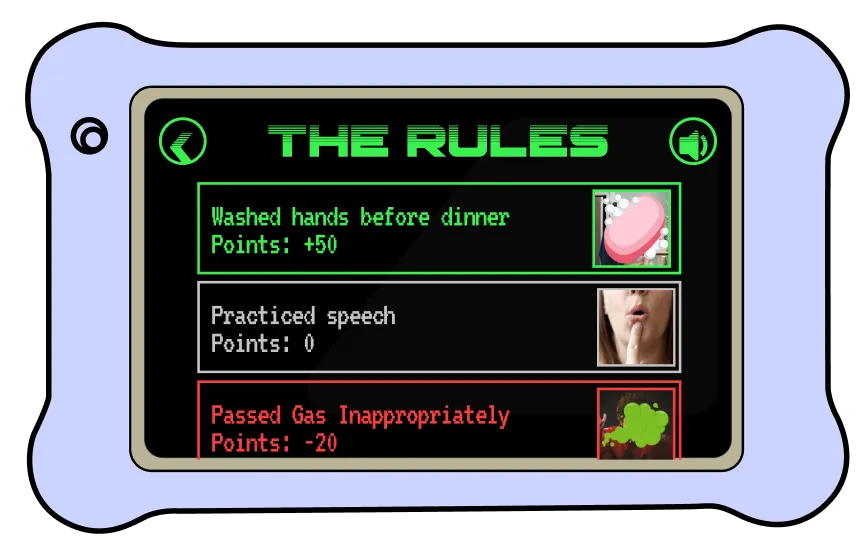
By setting clear expectations and rewarding their efforts, you foster a positive environment for your child to flourish in their behavioral skills journey.
In essence, recognizing the signs and symptoms of anger issues in your child — such as frequent and intense anger, irritability, stress-induced impulsive responses, and potential signs of abuse — is the first crucial step toward addressing them. These signs may present differently in neurodivergent kids, so understanding these nuances is critical. With this knowledge, you’re better equipped to navigate these challenges, approach your child with understanding and patience, and seek professional help when necessary. Remember, it’s not just about managing the anger; it’s about addressing the root cause and helping your child thrive.
FAQ’s About Signs and Symptoms of Anger Issues
What are some signs of anger issues in children?
Signs include frequent and intense anger, irritability, stress-induced impulsive responses, and potential signs of abuse.

How does anger present in neurodivergent kids?
Anger in neurodivergent kids may present differently, such as impulse control issues in kids with ADHD or frustration when routines are disrupted in kids on the autism spectrum.

What does frequent and intense anger in a child indicate?
Frequent and intense anger could be a sign of underlying anger issues and may warrant further exploration.

Can stress cause anger issues in children?
Yes, stress can manifest as anger in children, leading to impulsive responses like hitting, kicking, or screaming.

What should I do if I suspect my child has anger issues?
Recognize the signs, approach your child with understanding and patience, and seek professional help when necessary.
This post was originally published on 01/18/2024. It was updated on 07/03/2024.

Emily is a seasoned blog writer for Goally, leveraging her extensive background in child psychology and special education to provide valuable insights and resources for parents. Her commitment to understanding and addressing the unique needs of these children, combined with her expertise in educational strategies, makes her a credible and empathetic voice for families.