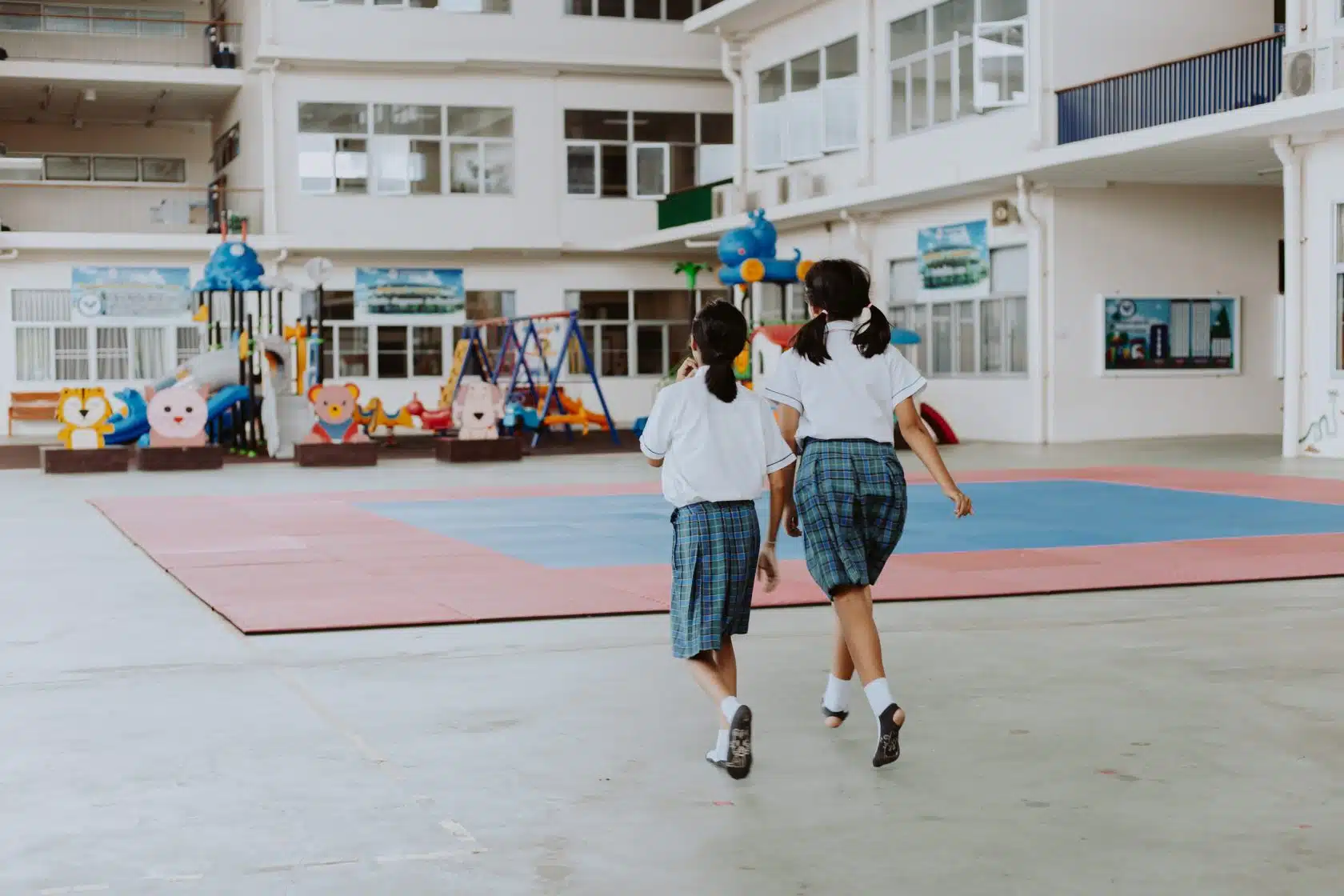
Psychosocial development is the way a child’s mind and social skills grow over time. It’s about how kids learn to interact with others, express emotions, and understand themselves as they get older.



Psychosocial development is the way a child’s mind and social skills grow over time. It’s about how kids learn to interact with others, express emotions, and understand themselves as they get older.


What is psychosocial development?
Psychosocial development refers to the emotional, social, and psychological growth of an individual throughout their lifespan.
How does psychosocial development differ in children with special needs?
Children with special needs may face unique challenges in their psychosocial development due to factors like communication difficulties, sensory sensitivities, or social skill deficits.
What can parents do to support their child's psychosocial development?
Parents can support their child’s psychosocial development by providing a nurturing environment, promoting social interactions, and teaching emotional regulation skills.
Why is understanding psychosocial development important for parents of children with special needs?
Understanding psychosocial development helps parents recognize their child’s unique needs and develop targeted strategies to foster their emotional and social growth.


Psychosocial development refers to the psychological and social changes that occur as an individual matures throughout the lifespan. This developmental process involves the integration of emotional, cognitive, and behavioral skills, which enable a person to establish a sense of identity, form meaningful relationships, and adapt to societal expectations. In children with special needs, psychosocial development may be influenced by various factors, such as their unique challenges, support systems, and environmental accommodations.

Psychosocial development is essential for understanding how children with special needs grow and adapt over time. Here are some examples of how this concept is used:
| Age Range | Key Psychosocial Development Milestones |
|---|---|
| 0-2 years | Attachment, trust, and emotional regulation |
| 2-6 years | Autonomy, initiative, and social skill development |
| 6-12 years | Friendship, self-esteem, and emotional understanding |
By recognizing these milestones, parents and professionals can work together to support the unique psychosocial development of children with special needs.