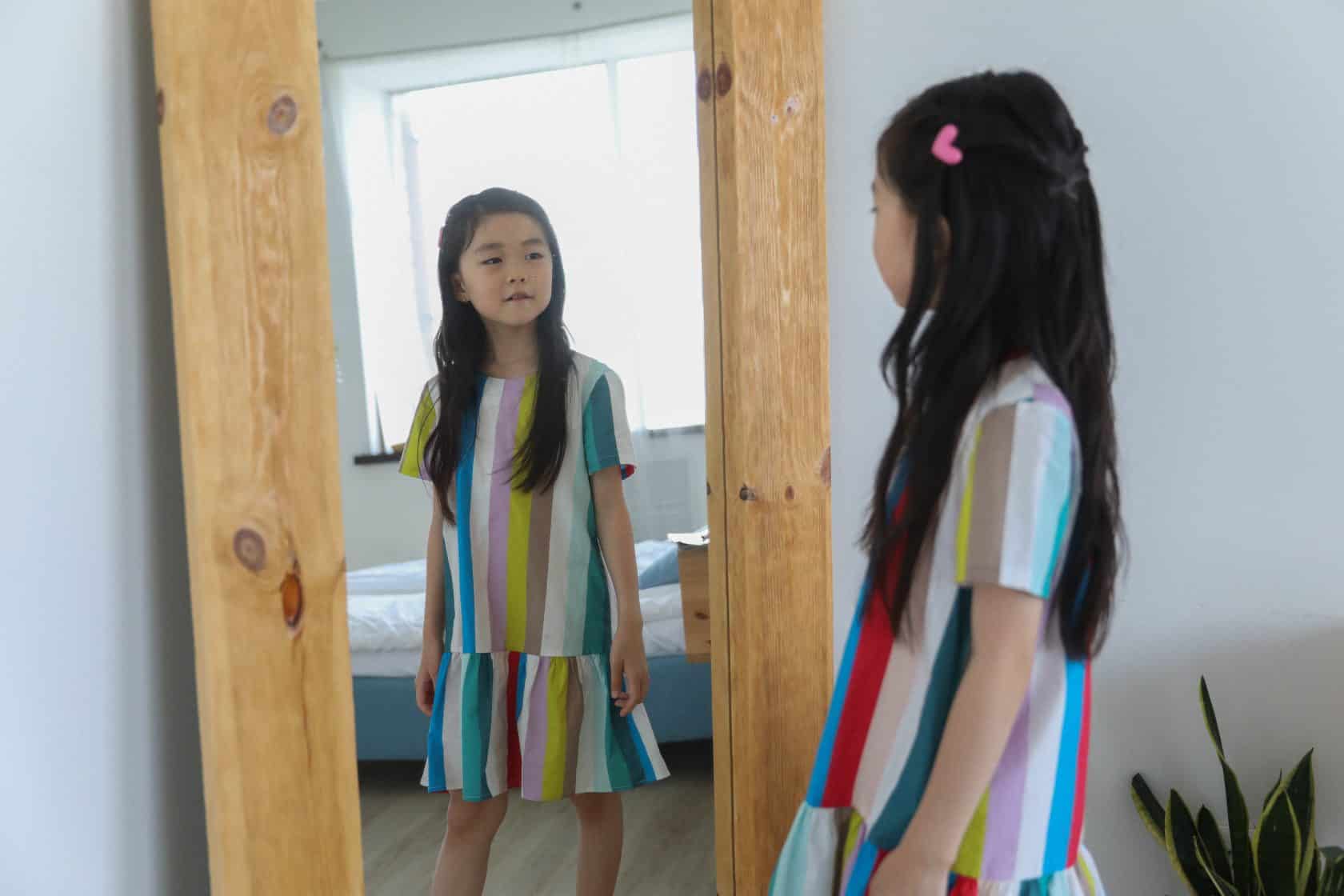
The body scheme is a person’s inner map of their body. It helps the brain know where all the body parts are and how they move. This map is always being updated based on how the body moves, even without looking.



The body scheme is a person’s inner map of their body. It helps the brain know where all the body parts are and how they move. This map is always being updated based on how the body moves, even without looking.


Are there specific challenges for kids with special needs regarding Body Scheme?
Kids with special needs may require more focused activities and routines to develop a well-coordinated Body Scheme. This can involve specialized exercises or apps that focus on spatial awareness and motor skills.
What activities can help improve Body Scheme?
Simple activities like catch, obstacle courses, and even arts and crafts can help. These exercises engage various body parts and foster better spatial awareness.
How does Body Scheme affect daily life?
A well-tuned Body Scheme assists in activities like walking, reaching for objects, and playing sports. For kids with developmental disabilities, it can significantly enhance their quality of life.


Body scheme, also known as body schema, is the brain’s internal representation of the body’s structure and position in space. This neural model integrates proprioceptive information from muscles, joints, and other sensory receptors to enable coordinated movement and interaction with the environment. The body scheme is dynamically updated in real-time based on afferent signals and efferent motor commands.

The body scheme enables smooth, coordinated movement by:
| Sensory Input | Role in Body Scheme |
|---|---|
| Proprioception | Provides information about joint angles and muscle tension |
| Vision | Offers external reference for body position and movement |
| Touch | Gives tactile feedback about contact with objects and surfaces |
A well-developed body scheme is crucial for efficiently interacting with the environment and performing daily activities. Kids with an inaccurate or incomplete body scheme may benefit from targeted sensory-motor interventions to improve their body awareness and movement skills.