As a licensed practitioner working with kids, I’ve seen firsthand the challenges that come with Oppositional Defiant Disorder (ODD). It’s a condition that can leave parents feeling frustrated and helpless. But there’s hope. ODD involves combining behavioral interventions, family therapy, and sometimes medication. In this guide, I’ll walk you through practical steps to treat oppositional defiant disorder. You’ll learn strategies to improve your child’s behavior, strengthen your relationship, and create a more harmonious home environment. Let’s explore these practical approaches together.
Table of Contents
1. Understand Oppositional Defiant Disorder
To effectively treat ODD, you must first understand what you’re dealing with. Oppositional Defiant Disorder is characterized by persistent patterns of anger, irritable mood, argumentative behavior, and vindictiveness.
I often explain ODD to parents using the porcupine analogy. Your child might seem prickly and defensive on the outside, but inside, they’re struggling with emotional regulation and social skills. Recognizing this can help you approach treatment with empathy and patience. Remember, your child isn’t choosing to be difficult—they’re struggling with a real disorder that affects their behavior.
2. Seek Professional Diagnosis and Guidance
The first step in how to treat oppositional defiant disorder is getting a proper diagnosis. Suppose you suspect your child might have ODD. In that case, it’s crucial to consult with a mental health professional who specializes in child behavior disorders.
Many parents hesitate to seek help and are worried about labeling their children. But in my experience, a proper diagnosis is empowering. It provides a framework for understanding your child’s behavior and opens doors to targeted treatments. A professional can also rule out other conditions that might mimic ODD, such as anxiety or ADHD, ensuring your child gets the right kind of help.
Goally | The Tablet for Neurodiverse Kids

3. Implement Consistent Discipline Strategies
Consistency is key when treating ODD. Establish clear rules and consequences and stick to them. This doesn’t mean being harsh—it means being predictable and fair.
I often recommend using a visual schedule or a behavior chart to help kids understand expectations. For instance, create a colorful chart showing daily tasks and rewards. When working with a 7-year-old with ODD, we used a “Good Behavior Rocket” where he could move his rocket up for positive behaviors. It made the rules concrete and gave him a sense of control.
4. Practice Positive Reinforcement
While addressing negative behaviors is essential, focusing on positive reinforcement can be even more potent in treating ODD. Catch your child being good and praise them specifically for it.
I encourage parents to aim for a 5:1 ratio of positive to negative interactions. It might feel unnatural at first, especially if you’re used to focusing on misbehavior. But I’ve seen this approach transform family dynamics. One mom I worked with started keeping a “praise journal,” writing down three things her child did well each day. Not only did it improve her child’s behavior, but it also helped her shift her own perspective.
5. Teach and Model Emotional Regulation
Kids with ODD often struggle with managing their emotions. Teaching them emotional regulation skills is a crucial part of how to treat oppositional defiant disorder.
Start by modeling these skills yourself. When you’re frustrated, verbalize your feelings and your coping strategies. You might say, “I’m feeling angry right now, so I’m going to take some deep breaths to calm down.” Then, please help your child identify and name their own emotions. Create a “calm down corner” with sensory tools like stress balls or glitter jars. I’ve found that many kids respond well to visual aids like emotion charts or “mood meters.”

6. Improve Communication Skills
Effective communication is vital in managing ODD. Teach your child to appropriately express their needs and feelings and practice active listening.
One technique I often recommend is “reflective listening.” When your child speaks, paraphrase what they’ve said back to them. This shows you’re genuinely listening and helps avoid misunderstandings. For example, if your child says, “I hate school!” you might respond, “It sounds like you’re having a tough time at school right now. Can you tell me more about that?” This opens the door for deeper conversation and problem-solving.
7. Engage in Parent Training Programs
Parent training programs can be incredibly beneficial in learning how to treat oppositional defiant disorder. These programs teach you specific strategies for managing your child’s behavior and improving your relationship.
I’ve seen remarkable transformations in families who commit to these programs. They learn techniques like “special time,” where you spend one-on-one time with your child, letting them lead the play. This builds connection and gives your child positive attention, which can reduce oppositional behaviors. Many programs also teach “planned ignoring” for minor misbehaviors and effective time-out techniques for more serious issues.

Read more: ODD Test for Kids
8. Consider Family Therapy
ODD doesn’t just affect the child – it impacts the whole family. Family therapy can help improve communication, resolve conflicts, and create a more supportive home environment.
I often use role-playing exercises in family therapy sessions to practice new communication skills. We might act out common conflict scenarios, trying out different responses. This gives everyone in the family a chance to see situations from different perspectives and learn new ways of interacting. It’s common for parents to have their own “aha” moments during these sessions, realizing how their reactions might contribute to the cycle of defiance.
9. Explore Cognitive Behavioral Therapy (CBT)
Cognitive Behavioral Therapy can be an effective treatment for ODD, especially for older children and teenagers. CBT helps kids identify negative thought patterns and learn healthier ways of thinking and behaving.
In CBT sessions, we might work on challenging “thinking errors” contributing to defiant behavior. For example, a child who often thinks, “Everyone’s against me,” might learn to question this thought and look for evidence that supports or contradicts it. We also practice problem-solving skills and anger management techniques. One teen I worked with found it helpful to keep a “thought journal,” tracking his angry thoughts and practicing reframing them.
10. Consider Medication When Necessary
While medication isn’t always needed, in some cases, it can be an essential part of how to treat oppositional defiant disorder. This is especially true if your child has co-occurring conditions like ADHD or anxiety.
The decision to use medication should always be made in consultation with a psychiatrist or other qualified medical professional. If medication is recommended, it’s typically used in conjunction with behavioral therapies, not as a standalone treatment. I’ve seen cases where the proper medication helped a child calm down enough to engage more effectively in therapy and learn new skills.
Goally | Apps That Build Behavior & Life Skills for Kids
Want to keep your child motivated while building essential behavior and life skills? Goally’s skill-building tablet is designed to celebrate small wins and help your child grow. Our Behavior Tracker helps you reward your kid for specific skills, like “being kind” or “flushing the toilet.”
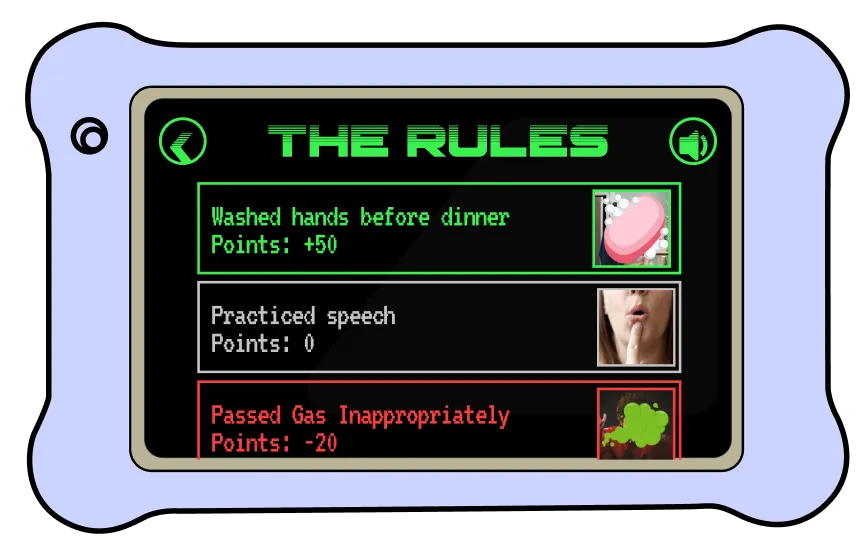
By setting clear expectations and rewarding their efforts, you foster a positive environment for your child to flourish in their behavioral skills journey.
Treating Oppositional Defiant Disorder is a journey, not a quick fix. It requires patience, consistency, and a willingness to try new approaches. Remember, every child is unique, and what works for one may not work for another. Be kind to yourself as you navigate this process. Celebrate small victories along the way. With the right strategies and support, you can help your child manage their ODD symptoms and build stronger, healthier relationships. You’re not alone in this journey; there’s always hope for positive change.
Helpful Resources
- American Academy of Child and Adolescent Psychiatry
- Child Mind Institute
- National Institute of Mental Health
FAQ’s About How to Treat Oppositional Defiant Disorder
What is Oppositional Defiant Disorder (ODD)?
ODD is a behavioral disorder characterized by persistent patterns of angry, irritable mood, argumentative behavior, and vindictiveness towards authority figures.

How is Oppositional Defiant Disorder treated?
Treatment typically involves a combination of behavioral therapy, parent training, family therapy, and sometimes medication.

Can Oppositional Defiant Disorder be cured?
While ODD can't be "cured," its symptoms can be effectively managed with proper treatment and support.

What role do parents play in treating ODD?
Parents play a crucial role by implementing consistent discipline strategies, practicing positive reinforcement, and participating in parent training programs.

Is medication necessary for treating Oppositional Defiant Disorder?
Medication isn't always necessary but may be recommended in some cases, especially if there are co-occurring conditions like ADHD or anxiety.

Emily is a seasoned blog writer for Goally, leveraging her extensive background in child psychology and special education to provide valuable insights and resources for parents. Her commitment to understanding and addressing the unique needs of these children, combined with her expertise in educational strategies, makes her a credible and empathetic voice for families.