As a parent of a neurodivergent kid, you’re navigating a unique and evolving journey. But fear not because you’re not alone. In this comprehensive guide, we’ll shed light on autism in children and provide valuable resources to support you and your family. We’ll also introduce you to a free autism test child provided by Goally to help you better understand your child’s needs. So, let’s get started on this enlightening path to understanding and supporting your extraordinary kids.
Table of Contents
What is Autism Spectrum Disorder?
Autism Spectrum Disorder (ASD) is a complicated neurological syndrome that impacts how a person perceives the environment, communicates, and interacts with others. ASD is characterized by a wide range of symptoms and abilities, which is why it’s referred to as a spectrum. To empower yourself and your child, it’s essential to learn about the different aspects of autism. This includes its causes, symptoms, and various approaches to support and treatment.
Research tells us there’s no one cause for autism—it’s like a mix of genetic, environmental, and brain factors playing a part. Grasping the ins and outs of ASD can help tune into your kiddo’s unique needs! Plus, teaming up with professionals means you can create strategies and interventions that are just the right fit. Keep learning and adapting; it’s all about finding what works best!
Read More: Autism Spectrum Wheel
Early Indicators of Autism in Children
Recognizing early signs of autism in kids can significantly impact their development and overall well-being. In this section, we’ll discuss some common characteristics of autism that you may notice in your child.
- Difficulty with social interactions: Kids with autism may struggle with making eye contact, understanding social cues, or have trouble relating to others.
- Communication difficulties: They might have delayed speech development, repetitive speech patterns, or may not respond when their name is called.
- Restricted interests and repetitive behaviors: Children with autism may intensely focus on specific topics or engage in repetitive actions like hand-flapping or rocking.
Collaborating with professionals and discussing your child’s unique needs will help you select the most appropriate therapies and interventions for their growth and development.
Embracing Neurodiversity: Celebrating and Supporting Unique Minds
Embracing neurodiversity is about appreciating the variety in our brain wiring—what makes us unique! It’s like throwing a little party for the excellent and distinctive strengths and talents of people with autism and other neurodivergent conditions. Creating a space where your child’s uniqueness can shine and grow is vital as parents. It’s all about supporting their individuality and helping them bloom to their fullest potential! Keep celebrating the differences; it makes the world an exciting place!
- Encourage your child’s interests and strengths: Support their passions and provide opportunities to explore and develop their talents.
- Implement consistent routines: Structure and predictability can create a sense of security and reduce anxiety for kids on the autism spectrum.
- Seek professional guidance and resources: Collaborate with experts to design personalized interventions and strategies that cater to your child’s specific needs.
By understanding, accepting, and supporting your child’s unique traits and abilities, you’re creating a foundation for their growth and happiness.
"So happy with our Goally devices! My two with ASD and ADHD finally remember what they are supposed to do and the order of which to do them! " — Goally Mom
Learn more →
Therapies and Interventions
There is a wide range of therapies and interventions available for children with autism, each designed to address specific challenges and promote growth. As a parent, understanding these options will help you make informed decisions about the best course of action for your child. Some of the most common therapies and interventions include:
- Applied Behavior Analysis (ABA): ABA is a widely-used therapy that focuses on improving specific behaviors, such as social skills, communication, and self-care.
- Speech and Language Therapy: This intervention aims to improve a child’s communication skills, both verbal and non-verbal.
- Occupational Therapy: Occupational therapy helps kids develop the skills necessary for daily living, such as fine motor skills, coordination, and self-regulation.
- Social Skills Training: This type of therapy focuses on teaching children with autism the necessary skills to interact with others effectively.
Collaborating with professionals and discussing your child’s unique needs can help you choose appropriate therapies and interventions for their growth and development.

Building a Support Network
Building a network of support is essential for parents with neurodivergent children! Connecting with other families on a similar journey can be a game changer–they offer insights, encouragement, and resources. Have you considered trying an autism test child-free? It’s a fantastic place to start! Connect with experts like therapists and educators to enhance your understanding of autism and support your child. So, explore an autism test child, join the conversations, and let’s embrace the journey with optimism and learning! Keep it light and enjoyable; we’re all in this together!
Connect with other parents and professionals through local support groups, workshops, and online forums. Building a strong support network will help you navigate the challenges and joys of raising a neurodivergent child.
Read More: Autism Quotes We Love
Tips for Creating an Inclusive Home Environment
Creating an inclusive home environment is essential for supporting your child’s growth and well-being. Here are tips to help you create a space that fosters understanding and acceptance:
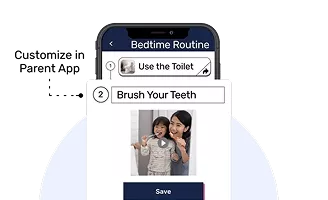
- Use visual aids: Many children with autism are visual learners, so using visual aids such as schedules, charts, and labels can help them better understand routines and expectations.
- Create sensory-friendly spaces: Kids with autism may have sensory sensitivities, so consider creating spaces with calming colors, soft textures, and minimal noise.
- Establish routines: Consistent routines can provide a sense of stability and predictability for children with autism, helping to reduce anxiety and enhance their sense of control.
- Encourage open communication: Make sure your child knows they can talk to you about their feelings, concerns, and successes. This will help create a supportive and understanding environment.

By implementing these strategies, you can create an inclusive and supportive home environment that fosters your child’s growth and development.
Advocating for Your Child’s Educational Needs
Ensuring your child receives appropriate support and accommodations in school is a critical aspect of their development. As a parent, advocating for your child’s educational needs can help them succeed and reach their full potential. Here are tips on how to support your child in the educational setting:
- Understand your child’s rights: Learn the laws that protect the rights of students with disabilities, like IDEA and Section 504 of the Rehabilitation Act.
- Build relationships with school staff: Open communication and collaboration with teachers, administrators, and support staff. This can help ensure your child’s needs are met and everyone works together for their success.
- Request an Individualized Education Program (IEP): Children with autism may qualify for an IEP, which provides customized goals, services, and accommodations.
- Stay involved: Attend school meetings, volunteer for events, and stay informed about your child’s progress. Your involvement demonstrates your commitment to your child’s education and well-being.
Read More: How To Make an IEP Plan
Advocating for your child’s educational needs can help create an inclusive learning environment that promotes their growth. Check out these 6 ideas for autism language development.
Foster Independence and Life Skills
As your child grows older, it’s essential to focus on fostering independence and teaching essential life skills. These skills will help them transition into adulthood and lead a fulfilling and self-sufficient life. Here are strategies to help your child develop crucial life skills:
- Teach self-care skills: Help your child learn how to dress, groom, and maintain personal hygiene independently. Break down tasks into smaller steps and provide visual aids to support their learning.
- Develop household skills: Involve your child in household chores, such as cooking and cleaning. This teaches responsibility and helps them gain essential skills for independent living.
- Practice money management: Teach your child how to budget, save, and spend responsibly. Start with simple tasks, such as counting money and making small purchases. You can then gradually introduce more complex concepts.
- Encourage social skills: Provide opportunities for your child to interact with others and develop friendships. Teach them about social cues, boundaries, and how to communicate effectively.
By focusing on these skills, you’re setting your child up for success in adulthood and helping them to lead an independent life.
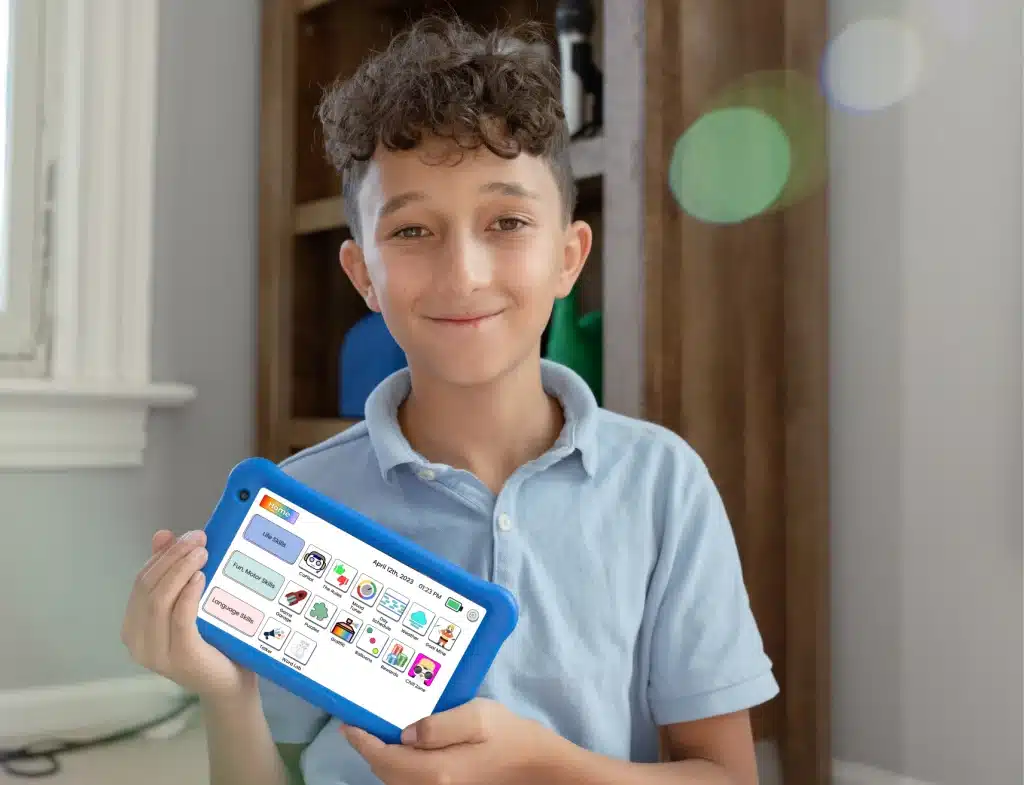
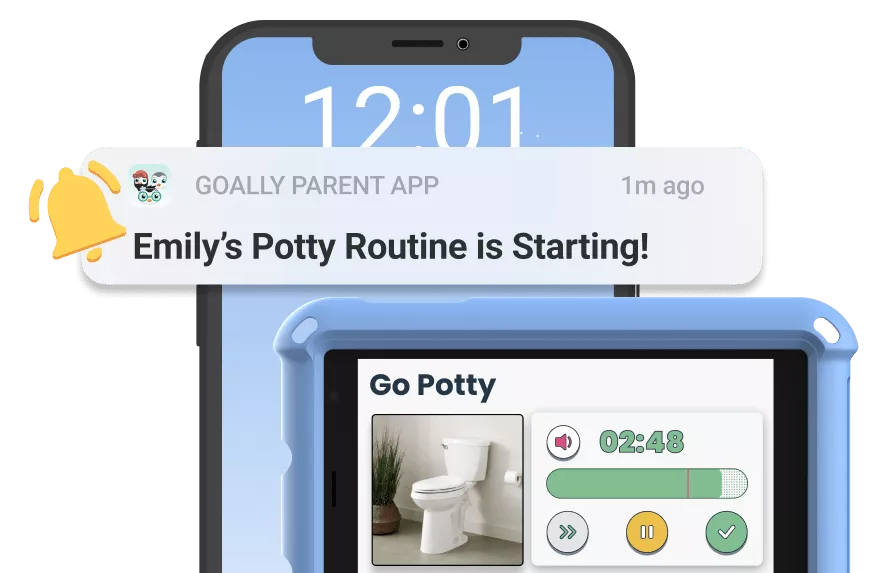
Give your kid an independent future. Goally has 15+ learning apps that teach life skills. There are NO web browsers, social media, or YouTube.
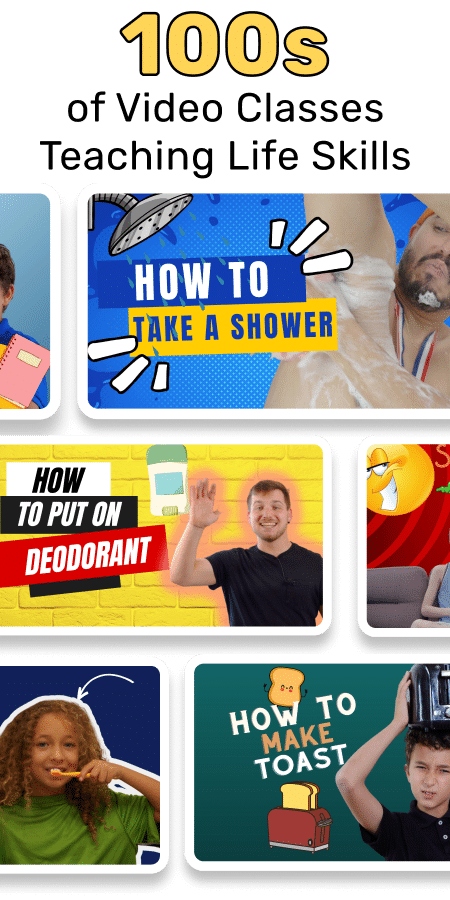
Our apps teach executive function, language, emotional regulation, finger dexterity skills, and more. It also 100+ video classes teaching social skills.
Navigating the world of autism can be challenging, but with the right resources and support, you have all the means to help your neurodivergent child thrive. Remember, there are community of parents and professionals who are ready to lend a helping hand. By using tools like Goally’s autism test child free and embracing neurodiversity, you’re fostering an environment of love, understanding, and empowerment for your extraordinary kids.
This post was originally published on 05/08/2023. It was updated on 09/23/2023.

Goally
We help parents teach their kids life skills, like doing bedtime and morning independently. Backed by science, we incorporate evidence-based practices and expert-informed designs in all of our apps and content.