Groundbreaking research shows that exercise can improve mental health by reducing anxiety and depression while boosting self-esteem. Studies reveal that kids who exercise regularly are 20% less likely to experience mental health issues. These exciting findings highlight the importance of physical activity in enhancing a child’s overall well-being.
Table of Contents
How Exercise Reduces Anxiety and Depression
Exercise is a natural mood booster. When kids exercise, their bodies release endorphins, also known as the “feel-good” hormones. These endorphins help reduce feelings of anxiety and depression, making kids feel happier and more relaxed.
Additionally, exercise increases serotonin and dopamine levels in the brain. These neurotransmitters play a crucial role in regulating mood and emotion. Higher levels of serotonin and dopamine can improve mood and overall mental well-being.

Exercise and Improved Sleep
Regular physical activity can lead to better sleep patterns. Kids who exercise regularly tend to fall asleep faster and enjoy deeper sleep. Good sleep is essential for mental health, allowing the brain to rest and rejuvenate.
Better sleep also means better concentration and cognitive function during the day. When kids are well-rested, they can handle stress and challenges more effectively.
Boosting Self-Esteem Through Exercise
physical activities can significantly boost a child’s self-esteem. When kids participate in sports or other physical activities, they gain a sense of accomplishment and pride in their abilities.
Exercise also helps kids build social skills and make new friends. Being part of a team or a group activity fosters a sense of belonging. It improves social interactions, which is vital for mental health.

Read more: Exercise Chart for Kids | Free Printable
Exercise as a Stress Reliever
Physical activity is an excellent way for kids to relieve stress. Engaging in exercise distracts them from their worries and allows them to focus on the activity at hand.
Exercise also helps reduce cortisol levels, the body’s stress hormone. Lower cortisol levels mean reduced stress and anxiety, leading to a calmer and more balanced state of mind.
Enhancing Cognitive Function
Exercise has been shown to improve cognitive function in kids. Physical activities increase blood flow to the brain, which helps in better brain function and development.
Kids who exercise regularly often show improved memory, attention, and problem-solving skills. These cognitive benefits contribute to better academic performance and overall mental sharpness.
Creating a Routine for Physical Activity
To maximize the mental health benefits of exercise, it’s important to create a consistent routine. Here are some tips to help you incorporate physical activity into your kids’ daily lives:
- Set Specific Times: Schedule specific times for exercise each day, such as before or after school.
- Choose Enjoyable Activities: Pick activities your kids enjoy, like biking, swimming, or playing sports.
- Be a Role Model: Participate in physical activities yourself to set a positive example.
- Make it Fun: Turn exercise into a fun and engaging activity by incorporating games and challenges.
- Encourage Outdoor Play: Spend time outdoors where kids can run and play freely.
Build Custom Printable Visual Schedules
Is your child having trouble managing their routines? Here’s a free visual schedule builder. Goally’s custom tool allows you to create printable personalized schedules that motivate your child to focus on their tasks. Perfect for morning, homework, and bedtime routines, this free visual schedule builder is easy to use and will help your child reach their full potential.
Click below to make your CUSTOM printable visual schedule! 👇
Using Technology to Promote Exercise
In today’s digital age, technology can be a great tool to encourage physical activity. Here are some ways to use technology to get your kids moving:
- Fitness Apps: Use apps that offer guided workouts and track progress.
- Interactive Games: Choose video games that require physical movement, such as dance or sports games.
- Online Challenges: Participate in online fitness challenges that motivate kids to stay active.
Goally | The Tablet for Neurodiverse Kids

Incorporating Exercise into Daily Activities
Incorporating exercise into daily activities can make it easier to maintain a routine. Here are some simple ways to add more physical activity to your kids’ day:
- Walk or Bike to School: If possible, walk or bike with your kids to school instead of driving.
- Active Chores: Turn household chores into a workout by involving kids in activities like gardening or cleaning.
- Playtime Breaks: Encourage short playtime breaks throughout the day to keep kids active.
- Family Activities: Plan family outings that involve physical activities, such as hiking or playing at the park.
Encouraging Group Activities
Group activities can be fun for kids to stay active and socialize. Here are some ideas for group exercises:
- Sports Teams: Enroll your kids in local sports teams or leagues.
- Group Classes: Sign up for group fitness classes designed for kids.
- Playdates: Organize playdates with other kids that involve physical activities.
Monitoring Progress and Staying Motivated
It’s important to monitor and motivate your kids’ progress. Here are some tips to help:
- Track Achievements: Keep a record of your kids’ achievements and progress in their physical activities.
- Set Goals: Set achievable goals and celebrate when they are met.
- Provide Rewards: Offer rewards for consistent participation in physical activities.
Goally | Apps To Support Child Development
Looking for fun ways to help your child learn life skills? Try Goally! The Goally tablet comes with award-winning learning apps and video classes to help kids develop the skills they need to become independent with FUN & evidence-based practices.
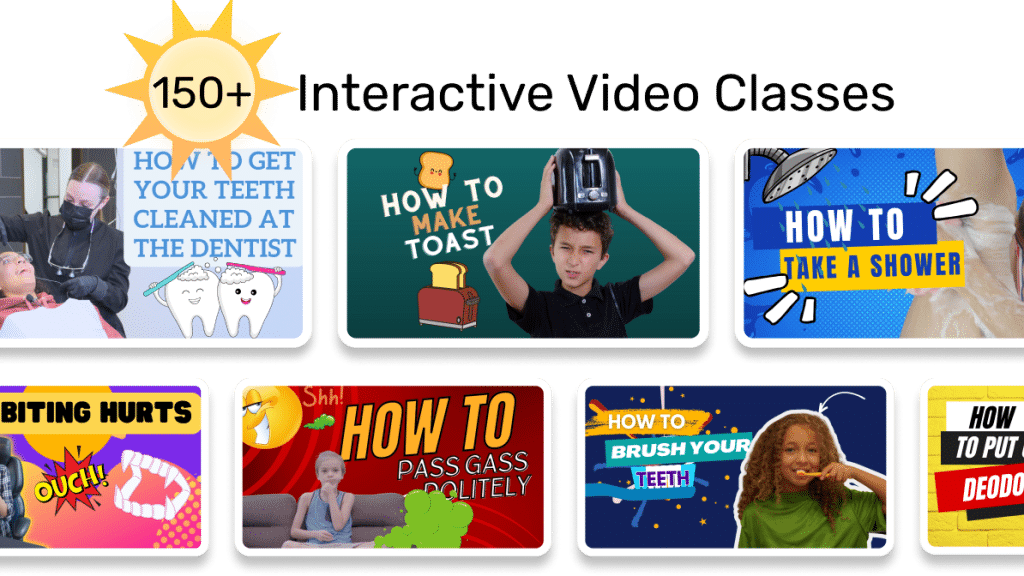
Our apps teach executive function, language, emotional regulation, finger dexterity skills, and more.
As your child develops new skills, you can increase the difficulty level of the tasks in the app to challenge and motivate them even further. This helps your child grow and progress at their own pace, while also keeping them engaged and excited about their development.
Exercise plays a crucial role in improving mental health for kids. By reducing anxiety and depression, boosting self-esteem, and enhancing cognitive function, regular physical activity can significantly benefit your child’s well-being. Incorporate exercise into your kids’ daily routine with fun and engaging activities, and use technology to keep them motivated. You’ll see positive changes in their mental and physical health with consistent effort.
Helpful Resources
FAQ’s About How Does Exercise Improve Mental Health
How does exercise improve mental health?
Exercise improves mental health by releasing endorphins, which are natural mood boosters, and by reducing stress hormones like cortisol.

Can exercise help reduce anxiety and depression?
Yes, regular exercise can help reduce symptoms of anxiety and depression by increasing serotonin and dopamine levels in the brain.

What are the cognitive benefits of exercise for kids?
Exercise enhances cognitive function in kids by improving blood flow to the brain, which boosts memory, attention, and problem-solving skills.

How does exercise improve sleep for kids?
Exercise helps kids fall asleep faster and enjoy deeper sleep, which is crucial for mental health and cognitive function.

Can group activities benefit kids' mental health?
Yes, group activities like sports teams and fitness classes can boost self-esteem, improve social skills, and provide a sense of belonging.

Emily is a seasoned blog writer for Goally, leveraging her extensive background in child psychology and special education to provide valuable insights and resources for parents. Her commitment to understanding and addressing the unique needs of these children, combined with her expertise in educational strategies, makes her a credible and empathetic voice for families.