No, rejection-sensitive dysphoria (RSD) is not only in ADHD. While RSD is more common in people with ADHD, it can also occur in people without ADHD. RSD is a brain-based condition that causes people to experience extreme emotional pain and sensitivity in response to perceived or actual rejection. It can be triggered by teasing, criticism, rejection, or persistent self-criticism. RSD can lead to low mood and self-esteem and can cause behaviors such as withdrawal from social situations, sudden emotional outbursts, and relationship problems. This blog will help you understand what RSD is, how it affects kids, especially those with ADHD, and what you can do to support them.
Table of Contents
What is Rejection Sensitive Dysphoria?
Rejection Sensitive Dysphoria (RSD) is a condition where individuals experience intense emotional responses to real or perceived rejection. This isn’t just feeling down when someone criticizes you—it’s much more severe. For kids with RSD, it can feel like the world is crashing down when they face even minor setbacks.
For example, imagine your child working hard on a school project only to receive less-than-positive feedback. While most kids might feel disappointed, a child with RSD might react with extreme sadness or anger, feeling utterly crushed. This emotional intensity is often overwhelming and can lead to issues in both social and academic settings.
How RSD Manifests in Kids with ADHD
Kids with ADHD are particularly prone to RSD. This is because ADHD affects how their brains process emotions and reactions. According to a study by the National Institute of Mental Health, children with ADHD are more likely to experience heightened emotional responses, including those related to rejection.
In my practice, I’ve seen kids with ADHD burst into tears over a small critique or become deeply frustrated when things don’t go their way. This is RSD at play. The combination of ADHD and RSD can make everyday interactions challenging for both the child and their caregivers.

Signs of Rejection Sensitive Dysphoria
- Extreme emotional reactions to criticism or perceived rejection
- Avoidance of social situations for fear of rejection
- Frequent mood swings and emotional outbursts
- Low self-esteem and feelings of worthlessness
- Perfectionism and an overwhelming fear of failure
If you notice these signs in your child, it might be worth discussing RSD with a healthcare professional.
Managing RSD in Kids
Managing RSD in kids involves a combination of strategies. Here are some steps you can take:
1. Validate Their Feelings
Acknowledging and validating your child’s emotions is crucial. Saying things like, “I understand you’re feeling really upset right now,” can go a long way. Validation helps them feel heard and understood, reducing the intensity of their emotional reactions.
2. Teach Coping Strategies
Help your child develop coping strategies. This could include deep breathing exercises, mindfulness practices, or having a “safe space” where they can go to calm down. Teaching these skills when they’re calm can make it easier for them to use them during emotional moments.

Read more: What is Rejection Sensitive Dysphoria?
3. Foster a Growth Mindset
Encourage a growth mindset by praising effort rather than outcomes. For example, say, “You worked really hard on that project,” instead of focusing solely on the result. This helps them see value in their efforts and reduces the fear of failure.
4. Seek Professional Help
If RSD is significantly impacting your child’s life, seeking help from a mental health professional can be beneficial. Cognitive Behavioral Therapy (CBT) can help kids learn to manage their emotional responses more effectively.
Supporting Your Child at Home
At home, creating a supportive environment is key. Here are some tips to help:
1. Create a Safe Space
Ensure your child feels safe and supported at home. This means being patient, offering positive reinforcement, and avoiding harsh criticism. A loving home environment can make a big difference.
2. Encourage Open Communication
Encourage your child to talk about their feelings. Let them know it’s okay to feel upset and that you’re there to listen. Open communication helps them process their emotions and feel supported.
3. Set Realistic Expectations
Set realistic expectations for your child. Understand that managing RSD is a process, and there will be ups and downs. Celebrate small victories and be patient with setbacks.
Goally | Apps To Support Child Development
Looking for fun ways to help your child learn life skills? Try Goally! The Goally tablet comes with award-winning learning apps and video classes to help kids develop the skills they need to become independent with FUN & evidence-based practices.
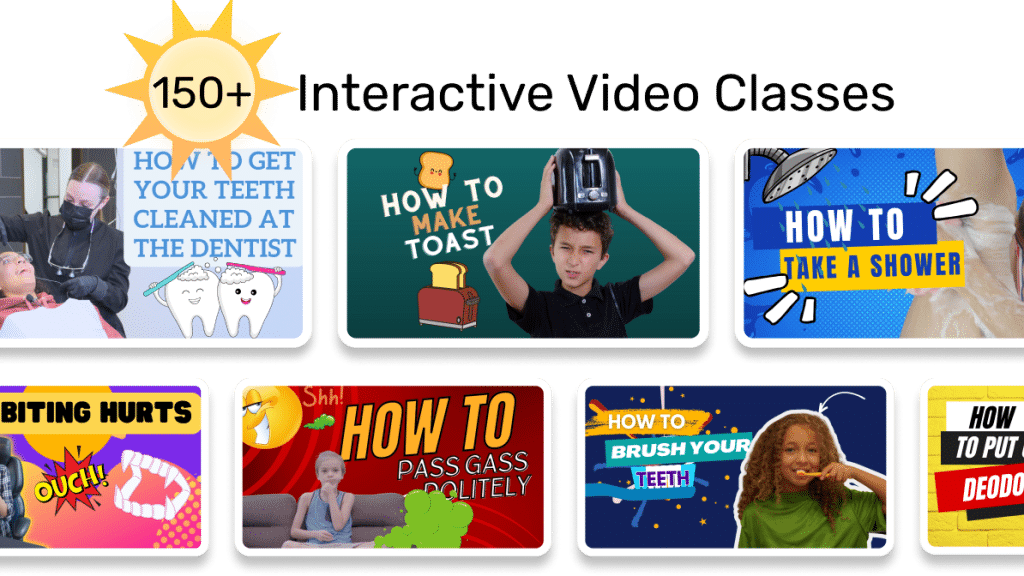
Our apps teach executive function, language, emotional regulation, finger dexterity skills, and more.
As your child develops new skills, you can increase the difficulty level of the tasks in the app to challenge and motivate them even further. This helps your child grow and progress at their own pace, while also keeping them engaged and excited about their development.

Rejection Sensitive Dysphoria can be a challenging condition for kids, especially those with ADHD. By understanding what RSD is and how it affects your child, you can take steps to support them. Whether through validating their feelings, teaching coping strategies, fostering a growth mindset, or seeking professional help, there are many ways to help your child manage RSD and thrive.
Helpful Resources
FAQ’s About Is Rejection Sensitive Dysphoria Only in ADHD
What is rejection sensitive dysphoria?
Rejection sensitive dysphoria (RSD) is a condition where individuals experience extreme emotional pain and sensitivity in response to perceived or actual rejection.

Is rejection sensitive dysphoria only in ADHD?
No, RSD is more common in people with ADHD but can also occur in those without ADHD.

What are the symptoms of rejection sensitive dysphoria?
Symptoms include intense emotional reactions to criticism or rejection, mood swings, low self-esteem, and social withdrawal.

How can parents help a child with rejection sensitive dysphoria?
Parents can help by validating their child's feelings, teaching coping strategies, encouraging a growth mindset, and seeking professional help if needed.

Can rejection sensitive dysphoria be treated?
Yes, RSD can be managed with therapies like Cognitive Behavioral Therapy (CBT) and by developing coping strategies to handle emotional responses.

Emily is a seasoned blog writer for Goally, leveraging her extensive background in child psychology and special education to provide valuable insights and resources for parents. Her commitment to understanding and addressing the unique needs of these children, combined with her expertise in educational strategies, makes her a credible and empathetic voice for families.