There’s nothing quite like the thrill of watching your child crawl for the first time. But when do kids start crawling? This question often lingers in the minds of parents, especially those with neurodivergent kids or kids with thinking and learning differences. In this guide, we’ll delve into the typical crawling timeline, the factors that can influence it, and how you can support your child’s development with the help of tools like Goally. Let’s get moving and explore this exciting milestone together!
Table of Contents
SPONSORED BY: Goally
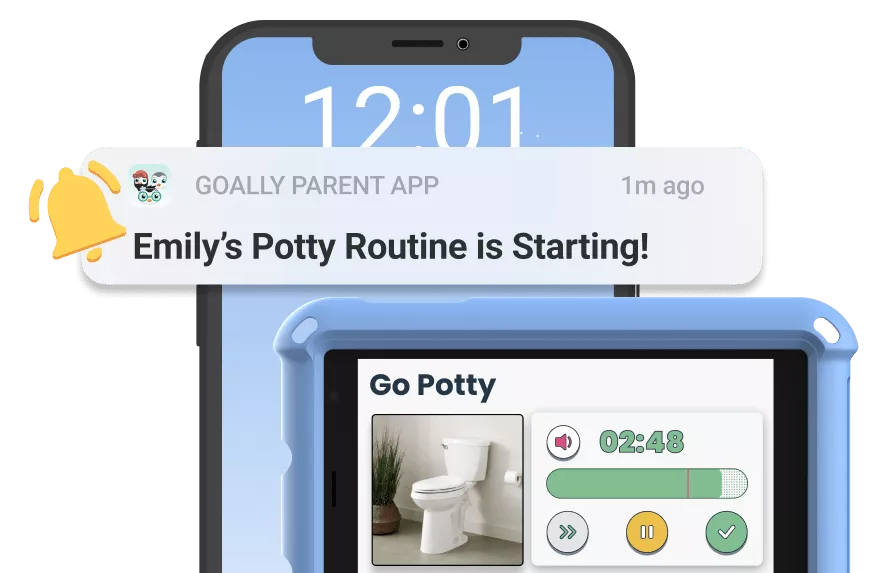
Goally’s Kid’s Tablet has one of the largest libraries of skill-building videos (like “How to Share” and “What To Do When You’re Lost”) in the Goal Mine app.👇

When Do Kids Start Crawling: The Timeline
Generally, kids begin crawling between 6 and 10 months of age. However, this timeline can differ for neurodivergent kids or those with thinking and learning differences. To better understand your child’s progress, consider these developmental stages:
- 3-4 months: Babies start lifting their heads and chest during tummy time.
- 5-6 months: They begin rolling over and sitting up with support.
- 6-10 months: Crawling typically starts with variations in style and speed.

It’s important to remember that every child is unique, and these milestones are merely guidelines. Consult your pediatrician if you have concerns about your child’s development. Goally can also be a valuable resource in tracking your child’s progress and providing personalized support.
Factors Influencing Crawling
Several factors can impact when kids start crawling. Understanding these factors can help you better support your child’s journey towards crawling. Here are some key aspects to consider:
- Physical development: Muscle strength, coordination, and balance are crucial for crawling.
- Temperament: Some kids are more eager to explore, while others prefer observing from a stationary position.
- Environment: A safe, stimulating space encourages movement and exploration.
- Neurodiversity: Kids with unique needs may experience delays or alternative crawling styles.
By taking these factors into account, you can create a supportive environment that fosters your child’s crawling progress. Goally’s learning tablet and apps can also provide additional guidance and resources for parents of neurodivergent kids.
Types of Crawling
When it comes to crawling, there’s no one-size-fits-all approach. Kids may adopt various styles, each with its own unique flair. Some common crawling styles include:
- Classic crawl: Alternating hands and knees, with the belly off the ground.
- Bear crawl: Hands and feet on the ground, with a raised bottom.
- Commando crawl: Lying on the belly, using arms to pull forward.
- Crab crawl: Moving sideways or backward, with hands and feet on the ground.
- Rolling: Some kids prefer rolling to reach their destination.
No matter the style, what’s important is that your child is moving and exploring their environment. Embrace their unique approach and celebrate their progress.
Encouraging Crawling
As a parent, you play a vital role in supporting your child’s crawling development. Here are some tips to help you along the way:
- Tummy time: Encourage daily tummy time to build strength and coordination.
- Safe environment: Create a secure, clutter-free space for exploration.
- Enticing objects: Place interesting toys or objects just out of reach to motivate movement.
- Be a cheerleader: Offer praise and encouragement to boost your child’s confidence.
- Patience: Remember that each child develops at their own pace, so be patient and supportive.

Read more: Child Development Stages
By following these tips and utilizing tools like Goally, you can create a nurturing environment that fosters your child’s crawling progress.
When Crawling Doesn’t Happen
Some kids may skip crawling altogether and move straight to walking. This is not necessarily a cause for concern, as each child’s development is unique. However, if you notice delays in other motor skills or have concerns about your child’s progress, consult your pediatrician for guidance.
Goally can also be a valuable resource in tracking your child’s development and providing personalized support. With the right tools and guidance, you can help your child reach their full potential.
Goally | Apps To Support Child Development
Looking for fun ways to help your child learn life skills? Try Goally! The Goally tablet comes with award-winning learning apps and video classes to help kids develop the skills they need to become independent with FUN & evidence-based practices.
Our apps teach executive function, language, emotional regulation, finger dexterity skills, and more.
As your child develops new skills, you can increase the difficulty level of the tasks in the app to challenge and motivate them even further. This helps your child grow and progress at their own pace, while also keeping them engaged and excited about their development.
Final Thoughts
In conclusion, when do kids start crawling? While the typical timeline is between 6 and 10 months, it’s essential to remember that each child is unique, especially for neurodivergent kids and those with thinking and learning differences. By understanding the factors influencing crawling, recognizing various styles, and providing a supportive environment, you can help your child reach this exciting milestone. Above all, be patient and celebrate your child’s achievements, no matter how small. And remember, Goally is here to support you and your child every step of the way.
This post was originally published on 05/192/2023. It was updated on 07/17/2023.

Goally
We help parents teach their kids life skills, like doing bedtime and morning independently. Backed by science, we incorporate evidence-based practices and expert-informed designs in all of our apps and content.