As someone who works closely with kids, I’ve seen the joy and relief that comes when families find the right support for their neurodivergent children. Navigating the various entitlements and resources available for kids with autism in the UK can be overwhelming. In this blog, we’ll explore what a child with autism is entitled to in the UK, covering essential services and support systems that can make a significant difference in their lives. Understanding these entitlements is crucial for ensuring your child gets the help they need to thrive.
Table of Contents
Healthcare Entitlements
Children with autism in the UK are entitled to a range of healthcare services. The National Health Service (NHS) provides access to diagnostic assessments, speech and language therapy, occupational therapy, and mental health support. Early diagnosis and intervention can significantly impact a child’s development, making it essential to seek these services as soon as possible.
The NHS also offers support through Child and Adolescent Mental Health Services (CAMHS). These services address various mental health needs, ensuring that children with autism receive comprehensive care tailored to their specific requirements. CAMHS can provide individual and family therapy, which is crucial for addressing the emotional and psychological needs of both the child and their family.
Goally | The Tablet for Neurodiverse Kids

Educational Support
In the UK, children with autism are entitled to additional educational support to help them succeed in school. This includes an Education, Health, and Care Plan (EHCP), which outlines the child’s needs and the support required to meet them. An EHCP can provide access to specialist teaching, one-on-one support, and tailored learning plans designed to help the child achieve their educational goals.
Many schools in the UK also offer specialized programs and resources for children with autism. These may include autism-specific units or classes, sensory rooms, and social skills groups. These programs aim to create an inclusive and supportive learning environment, enabling children with autism to thrive academically and socially.
Social Services and Benefits
Families of children with autism can access various social services and benefits in the UK. These include the Disability Living Allowance (DLA) for children, which provides financial support to help cover the extra costs associated with raising a child with autism. The DLA has two components: the care component and the mobility component, each providing different levels of support based on the child’s needs.
Additionally, families may be eligible for Carer’s Allowance if they spend a significant amount of time caring for their child with autism. This benefit helps to offset the financial impact of caregiving, allowing parents to focus on providing the best possible care for their child.

Read more: What is Respite Care for a Child?
Respite Care
Respite care services are available to families of children with autism in the UK. These services provide temporary relief for parents and caregivers, giving them a break from their caregiving responsibilities. Respite care can be provided in various settings, including at home, in the community, or in specialized facilities.
Access to respite care can significantly improve the well-being of both the child and their family. It allows parents to rest and recharge, ensuring they can continue providing high-quality care for their child. It also gives children the opportunity to engage in new activities and build independence in a safe and supportive environment.
Support Groups and Community Resources
There are numerous support groups and community resources available for families of children with autism in the UK. These groups provide a platform for parents to share experiences, seek advice, and find emotional support. Connecting with other families facing similar challenges can be incredibly beneficial, helping to reduce feelings of isolation and providing practical tips and strategies.
Local organizations and charities often offer workshops, training sessions, and events tailored to the needs of children with autism and their families. These resources can help parents stay informed about the latest research and best practices, empowering them to advocate effectively for their child’s needs.

Legal Rights and Advocacy
Understanding the legal rights of children with autism is crucial for ensuring they receive the support they are entitled to. The Equality Act 2010 protects individuals with disabilities, including autism, from discrimination in various areas, including education, employment, and access to services.
Parents can also seek support from advocacy organizations that specialize in autism. These organizations can provide guidance on navigating the legal system, accessing services, and advocating for the child’s rights. They offer a valuable resource for families seeking to ensure their child receives the appropriate support and accommodations.
Practical Tips for Accessing Entitlements
Navigating the system to access entitlements for a child with autism can be challenging. Here are some practical tips to help you get started:
- Keep detailed records of your child’s medical and educational history, including assessments, reports, and correspondence with professionals.
- Stay informed about your child’s rights and the services available by attending workshops, joining support groups, and consulting with advocacy organizations.
- Build a strong support network of professionals, including healthcare providers, educators, and social workers, who can help you navigate the system and advocate for your child’s needs.
- Be persistent and proactive in seeking assessments and services for your child. Early intervention is crucial for maximizing your child’s potential.
- Don’t be afraid to ask for help. Reach out to local organizations and support groups for guidance and support.
Goally is a valuable resource for clinicians who are looking for ways to support children with speech and language problems.
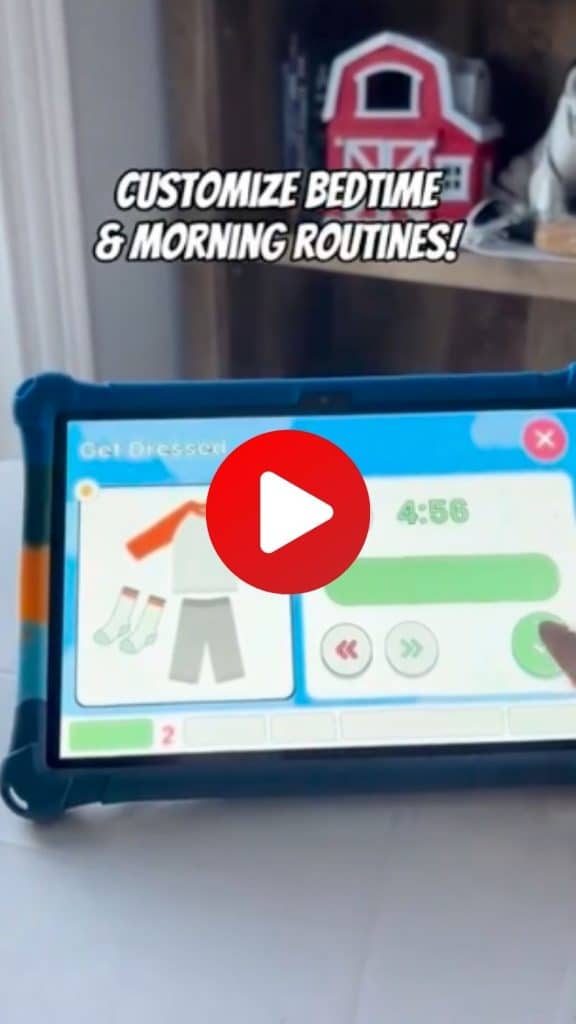
- Individualized Instruction. Goally can be easily customized to meet the specific needs of each child supporting the skills that they need most, at each child’s own pace.
- Increased Engagement. Goally is a fun and interactive tool that can help children stay engaged while learning.
- Improved Communication. Goally helps children learn to effectively communicate wants and needs, and allows children to participate in the world around them.
- Bonus: Goally’s Core Word Lessons teaches kids their first 50 words through video modeling and interactive practice.
Goally’s distraction-free kid’s tablet can be used as a therapy tool to help teach executive function, language, emotional regulation, finger dexterity skills, and more!
Understanding what a child with autism is entitled to in the UK can make a significant difference in their development and quality of life. By accessing healthcare services, educational support, social services, and community resources, families can provide their children with the tools they need to thrive. Remember, you are not alone on this journey. There are numerous resources and support networks available to help you navigate the system and advocate for your child’s needs.
Helpful Resources
FAQ’s About What is a Child With Autism Entitled to UK
What healthcare services are children with autism entitled to in the UK?
Children with autism in the UK are entitled to diagnostic assessments, speech and language therapy, occupational therapy, and mental health support through the NHS.

What educational support can children with autism receive in the UK?
Children with autism can receive an Education, Health, and Care Plan (EHCP) that provides specialized teaching, one-on-one support, and tailored learning plans.

What financial benefits are available for families of children with autism in the UK?
Families can access the Disability Living Allowance (DLA) for children and Carer's Allowance to help cover additional costs and caregiving.

What respite care options are available for families of children with autism in the UK?
Respite care services provide temporary relief for caregivers and can be offered at home, in the community, or in specialized facilities.

How can parents of children with autism find support groups in the UK?
Parents can join local support groups and organizations that offer workshops, training, and events tailored to the needs of children with autism and their families.

Emily is a seasoned blog writer for Goally, leveraging her extensive background in child psychology and special education to provide valuable insights and resources for parents. Her commitment to understanding and addressing the unique needs of these children, combined with her expertise in educational strategies, makes her a credible and empathetic voice for families.