Understanding neurodivergence is becoming increasingly important as we strive for a more inclusive society. Neurodivergence refers to individuals whose brains function differently from what is typical, encompassing conditions like autism, ADHD, and dyslexia. But what does it truly mean to be neurodivergent, and why is it vital for parents and caregivers to understand this concept? This article explores the facets of neurodivergence, its significance, and offers practical ways to support neurodivergent kids.
Table of Contents
Understanding Neurodivergence
Neurodivergence includes a range of conditions such as autism, ADHD, dyslexia, and other learning and thinking differences. These differences are not flaws but unique ways of experiencing and interacting with the world. For example, kids with autism might have heightened sensory experiences, while those with ADHD could possess incredible energy and creativity. Embracing neurodivergence means recognizing these differences as valuable and understanding how to support each child’s needs.
The Importance of Embracing Neurodiversity
Embracing neurodiversity is crucial for fostering an inclusive environment where every child can thrive. According to the Centers for Disease Control and Prevention (CDC), approximately 1 in 54 children in the U.S. is diagnosed with autism spectrum disorder (ASD). By acknowledging and supporting neurodivergent kids, we can help them reach their full potential and contribute their unique strengths to society.
Moreover, research shows that inclusive education benefits all students, not just those with special needs. A study by the National Center for Learning Disabilities found that inclusive classrooms promote better social skills and academic outcomes for both neurotypical and neurodivergent students.
Goally | The Tablet for Neurodiverse Kids

Identifying Neurodivergent Traits
Recognizing neurodivergent traits can help parents and caregivers provide the necessary support for their kids. Common traits of neurodivergent kids include:
- Exceptional memory or attention to detail
- Strong focus on specific interests
- Sensitivity to sensory stimuli such as light, sound, or textures
- Difficulty with social interactions or communication
- Impulsivity or hyperactivity
Understanding these traits allows parents to create supportive environments that cater to their kids’ needs and help them thrive.
Practical Tips for Supporting Neurodivergent Kids
Supporting neurodivergent kids involves understanding their unique needs and providing tailored interventions. Here are some practical tips for parents:
Create a Structured Environment
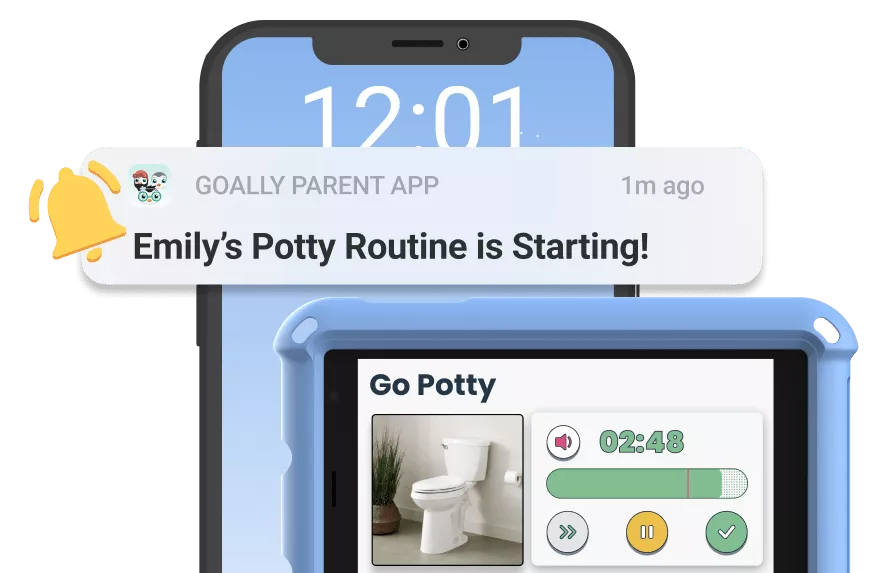
Neurodivergent kids often benefit from structure and routine. Visual schedules, like those offered by Goally, can help kids understand what to expect and reduce anxiety. For example, using a visual schedule to outline daily activities can help a child with autism transition smoothly between tasks.

Read more: Free Neurodivergent Test | 10 Questions
Use Positive Reinforcement
Positive reinforcement encourages desired behaviors by rewarding kids when they display them. This can be as simple as praising a child for completing a task or using a reward system to motivate them. For instance, an app like Goally’s rewards system can help reinforce positive behaviors in kids with ADHD.
Provide Sensory Breaks
Neurodivergent kids might become overwhelmed by sensory stimuli and need breaks to regulate their emotions. Creating a sensory-friendly space at home or school can provide a safe environment for kids to decompress. This space could include noise-canceling headphones, fidget toys, or soft lighting.
Foster Open Communication
Encouraging open communication helps neurodivergent kids express their needs and feelings. This can be achieved through regular check-ins, active listening, and validating their emotions. For example, asking a child how they feel about a particular situation and acknowledging their perspective can build trust and understanding.
Goally | Apps To Support Child Development
Looking for fun ways to help your child learn life skills? Try Goally! The Goally tablet comes with award-winning learning apps and video classes to help kids develop the skills they need to become independent with FUN & evidence-based practices.

Our apps teach executive function, language, emotional regulation, finger dexterity skills, and more.
As your child develops new skills, you can increase the difficulty level of the tasks in the app to challenge and motivate them even further. This helps your child grow and progress at their own pace, while also keeping them engaged and excited about their development.

Understanding what it means to be neurodivergent and providing the right support can make a difference for kids with special needs. By embracing neurodiversity and implementing practical strategies, we can create an inclusive environment where every child can thrive. As a practitioner working with kids, I see the incredible potential in every neurodivergent child and believe that they can achieve amazing things with the right support.
Helpful Resources
FAQ’s About What Does It Mean to Be Neurodivergent
What is neurodivergence?
Neurodivergence refers to variations in the human brain regarding sociability, learning, attention, mood, and other mental functions.

How can I support a neurodivergent child?
Supporting a neurodivergent child involves using personalized learning tools, creating structured environments, and fostering open communication.

What are examples of neurodivergent conditions?
Examples of neurodivergent conditions include autism, ADHD, dyslexia, and Tourette's syndrome.

Why is understanding neurodivergence important?
Understanding neurodivergence is important because it promotes inclusivity and helps create supportive environments for those who think and learn differently.

How can neurodivergence impact learning?
Neurodivergence can impact learning by requiring different teaching strategies, such as visual schedules or specialized apps, to support individual needs.

Emily is a seasoned blog writer for Goally, leveraging her extensive background in child psychology and special education to provide valuable insights and resources for parents. Her commitment to understanding and addressing the unique needs of these children, combined with her expertise in educational strategies, makes her a credible and empathetic voice for families.